

6 Best Coffee Beans for Pour Over Brewing
Table of Contents
- Quick Comparison: The 6 Best Coffee Beans for Pour Over
- How We Picked These Pour Over Beans
- 1. Ethiopia Natural: Fruity, Floral, and Built for Pour Over
- 2. Kenya: Bright Acidity and Effervescent Clarity
- 3. Tanzania: Pear, Jasmine, and a Delicate Finish
- 4. Costa Rica: Honey-Sweet and Balanced
- 5. Colombia: Dried Orange, Berry, and Chocolate
- 6. Sumatra: Syrupy Body and Earthy Depth
- How to Tell If Coffee Beans Are Fresh
- Best Grind Size for Pour Over
- Pour Over Coffee Brewing Ratio
- Troubleshooting Extraction Issues
- Frequently Asked Questions
Last Updated: September 24, 2026
Quick Comparison: The 6 Best Coffee Beans for Pour Over
The 6 best coffee beans for pour over brewing are light to medium roasts with bright acidity, clear flavor separation, and a recent roast date. This guide from Mocha Me Crazy breaks down six single-origin picks that hit those marks, plus the grind and ratio settings that make each one sing.
If your pour over tastes flat while a café version tastes alive, the bean is usually the answer. At Mocha Me Crazy, every order is roasted on demand so the beans reach your grinder within days, not months.
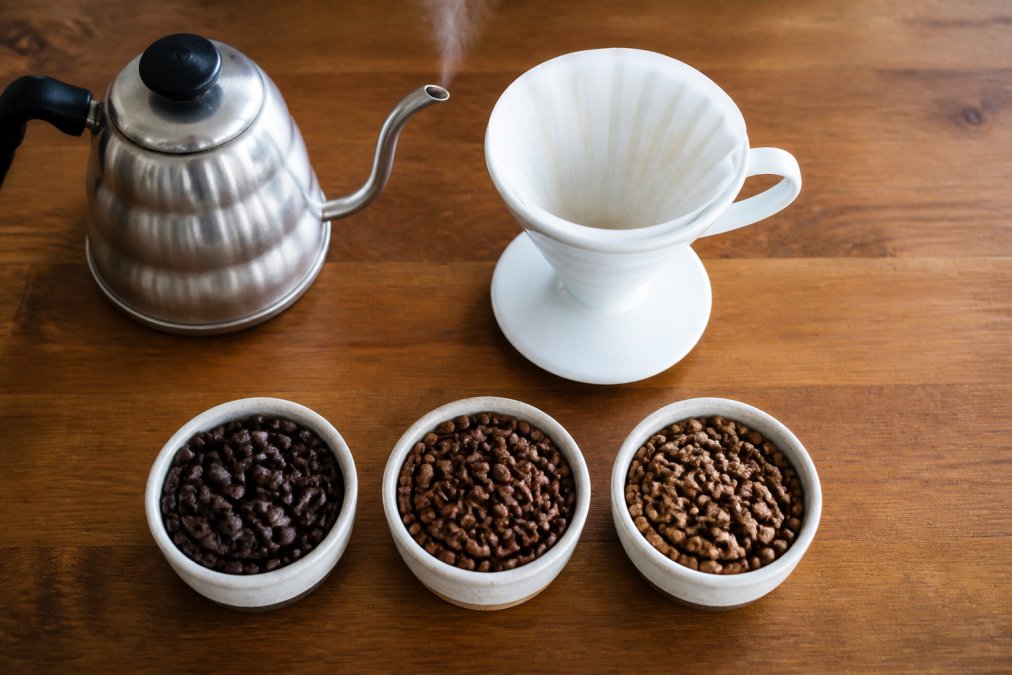
| Coffee | Roast Level | Flavor Profile | Best For |
|---|---|---|---|
| Ethiopia Natural | Medium-light | Milk chocolate, fruity, caramel | Floral and fruity cup |
| Kenya | Light-medium | Orange, lemon, floral, effervescent | Bright acidity lovers |
| Tanzania | Medium-light | Pear, floral, jasmine, strawberry | Delicate, tea-like cups |
| Costa Rica | Medium | Sweet apple, raisin, honey | Balanced everyday brew |
| Colombia | Medium | Dried orange, berry, chocolate | Sweet, crowd-pleasing cup |
| Sumatra | Medium | Dark chocolate, dried fruit, earthy | Full-bodied, syrupy cups |
How We Picked These Pour Over Beans
We judged the 6 best coffee beans for pour over brewing on roast level, processing method, origin altitude, and roast date. Pour over rewards clarity, so light and medium roasts with clean processing tend to win.

A common mistake is buying dark, oily beans for pour over, those suit a press or espresso machine. For a dripper, you want beans that let acidity and aroma show through.
We also weighted freshness heavily. A Specialty Coffee Association guide to freshness notes that roasted coffee stales quickly once exposed to oxygen, which is why roast date matters more than almost any other label detail.
1. Ethiopia Natural: Fruity, Floral, and Built for Pour Over
Ethiopia Natural is our top pick: its medium-light roast and full natural process deliver the fruity, floral character pour over is built to showcase, with milk chocolate, fruity sweetness, and caramel coming through cleanly.
Smallholder farmers in the Sidama Zone grow these beans at 1,700 to 1,900 meters on nitisols soil. The full natural process, dried on raised beds and sorted by hand, concentrates sweetness and berry-like notes.
For pour over, reach for this bean when you want a cup that tastes like something.
Ethiopia Natural
2. Kenya: Bright Acidity and Effervescent Clarity
Kenya earns its spot for one reason: acidity. Orange, lemon, and floral effervescence give this coffee a sparkling, tea-like clarity that pour over highlights beautifully.
3. Tanzania: Pear, Jasmine, and a Delicate Finish
Tanzania suits drinkers who want a gentler, more aromatic cup. The medium-light roast brings out pear, floral jasmine, and a hint of strawberry, with a light, clean finish.

4. Costa Rica: Honey-Sweet and Balanced
Costa Rica is the balanced middle ground here. Sweet apple, raisin, and honey make it approachable, with enough acidity to stay interesting.
5. Colombia: Dried Orange, Berry, and Chocolate
Colombia delivers a sweet, rounded cup that pleases almost everyone: dried orange, berry, and chocolate notes on a medium roast with a smooth body.

6. Sumatra: Syrupy Body and Earthy Depth
Sumatra is the outlier, and that is the point. Medium acidity, a syrupy body, dark chocolate, dried fruit, and earthy notes give it a long, lingering finish no light roast can match.
How to Tell If Coffee Beans Are Fresh
Fresh coffee beans smell sweet and roasty, feel dry, and carry a roast date within the last few weeks. Stale beans smell flat or papery and often look oily or dull.
Best Grind Size for Pour Over
The best grind size for pour over is medium-fine, roughly the texture of table salt. Most recipes land between 600 and 800 microns, with the sweet spot for a standard cone dripper near 700 microns, the range where water moves through the bed at a controlled rate while pulling enough solubles to avoid a thin, sour cup.
| Bean | Starting Grind | Micron Target | Why |
|---|---|---|---|
| Ethiopia Natural | Medium-fine | 650-750 | Natural process beans shed fines easily; a slightly coarser setting keeps the fruity notes from turning muddy |
| Kenya | Medium-fine | 600-700 | High-density washed beans at 1,700+ meters tolerate a finer grind and reward it with more citrus clarity |
| Tanzania | Medium | 700-800 | Delicate floral notes flatten if you grind too fine; keep the bed loose |
| Costa Rica | Medium-fine | 650-750 | Honey process leaves sugars on the bean that extract fast; a moderate grind prevents cloying sweetness |
| Colombia | Medium-fine | 650-750 | Balanced washed bean, forgiving across a wide range |
| Sumatra | Medium-coarse | 800-950 | Wet-hulled beans are soft and produce many fines; a coarser grind prevents a stalled, clogged brew |
- If the cup tastes sour or weak, grind finer
- If it tastes bitter or dry, grind coarser
- If it drains too fast, grind finer
- If it stalls and pools, grind coarser
Pour Over Coffee Brewing Ratio
The standard pour over coffee brewing ratio is 1:16, one gram of coffee to sixteen grams of water, or about 20 grams of coffee to 320 grams of water for a single cup.
Troubleshooting Extraction Issues
Most pour over problems trace back to grind, water, or technique. The trick is knowing which one is at fault, because the same symptom can have different causes depending on the bean.
Here is a quick diagnostic by symptom and bean:
| Symptom | Likely Cause | First Fix |
|---|---|---|
| Sour, weak cup with Kenya or Tanzania | Water too cool for a dense bean | Raise temp to 202-205°F |
| Bitter, drying cup with Sumatra | Fines from a soft, wet-hulled bean | Grind coarser, pour slower |
| Muddy, muted cup with Ethiopia Natural | Too many fines plus hard water | Coarsen one click, switch to filtered water |
| Hollow, flat cup with any bean | Water too soft or distilled | Use filtered tap water in the 75-125 ppm range |
| Stalled drawdown past 4:00 | Grind too fine or too many fines | Coarsen grind, check burr condition |
Frequently Asked Questions
What are the best coffee beans to use for pour-overs?
Light and medium roasts work best because they hold onto the floral, fruity, and citrus notes that a pour over extracts so cleanly. Look for single-origin beans with a roast date printed on the bag. Ethiopia Natural, Kenya, and Tanzania are strong starting points, since their bright acidity and clarity come through without milk or sugar muting them.
How does grind size affect pour-over coffee flavor?
Grind too coarse and water rushes through, leaving a thin, sour cup. Grind too fine and the bed clogs, pulling out bitter, drying compounds. The best grind size for pour over sits around medium-fine, close to table salt, and you should adjust one notch at a time. If your cup tastes weak, go finer. If it tastes harsh, go coarser.
What is the 15-15-15 coffee rule?
The 15-15-15 rule is a simple pour over coffee brewing ratio: 15 grams of coffee to 15 times that weight in water, brewed in about 15 minutes total from grind to cup. In practice, 15 grams of coffee with 225 grams of water gives you a balanced single serving. Adjust the coffee weight up or down to taste, but keep the ratio close to 1:15.
How can you tell if coffee beans are fresh enough for pour-over?
Check the roast date first, not a best-by date. Beans peak between 4 and 21 days after roasting, and a pour over highlights staleness faster than any other brew method. Fresh beans also smell sweet and complex when you open the bag, and they bloom visibly when hot water hits them. Flat aroma and no bloom mean the beans are past their best.
What roast level is best for pour-over coffee?
Light and medium-light roasts give you the most clarity, acidity, and layered flavor, which is exactly what a pour over is designed to show off. Medium roasts add sweetness and body without burying the origin character. Dark roasts can work, but the roast flavor tends to sit on top of the bean's natural notes rather than letting them through.
Finding beans that actually taste fresh is the hardest part of great pour over. Mocha Me Crazy roasts every order on demand, so your beans arrive days off the roast rather than months, and the difference shows up in the cup. With single-origin options like Ethiopia Natural and Colombia, plus fast, reliable delivery and a simple ordering process, upgrading your morning ritual takes minutes. Get started with Mocha Me Crazy and taste what freshly roasted pour over coffee is supposed to be.