

Best Tea Brewing Equipment for Beginners: 2026 Guide
Table of Contents
- What You Actually Need to Start Brewing Tea
- Tea Kettles: Electric, Stovetop, and Temperature Control
- Choosing a Loose-Leaf Tea Infuser or Strainer
- Finding the Best Teapot for Loose-Leaf Tea
- How to Brew Loose-Leaf Tea: A Step-by-Step Walkthrough
- Iced Tea and Matcha: Equipment for Cold Brews and Powdered Tea
- Budget Tiers: What to Spend at Each Stage
- Common Beginner Mistakes and Safety Notes
- Frequently Asked Questions
Last Updated: October 17, 2026
What You Actually Need to Start Brewing Tea
The best tea brewing equipment for beginners comes down to four things: a kettle you can control, a vessel to steep in, a way to strain the leaves, and decent loose-leaf tea.
At Mocha Me Crazy, we ship a lot of tea to people who are brewing loose leaf for the first time, and the questions we get are almost always about gear.
Below, we'll walk through exactly what to buy, what to skip, and how to use each piece.
The Minimal Beginner Setup
Here is the genuinely minimal kit. Nothing on this list is optional, and nothing on it is expensive.
- A kettle with temperature settings. You need water below boiling for green and white tea. A plain stovetop kettle gives you one temperature: too hot.
- A fine mesh infuser basket or strainer. Loose leaves need room to expand and a mesh fine enough to hold small pieces.
- A brewing vessel. A simple glass teapot or a large mug with a lid works. You do not need a gaiwan on day one.
- A digital thermometer, if your kettle lacks one. Water temperature is the single biggest variable beginners get wrong.
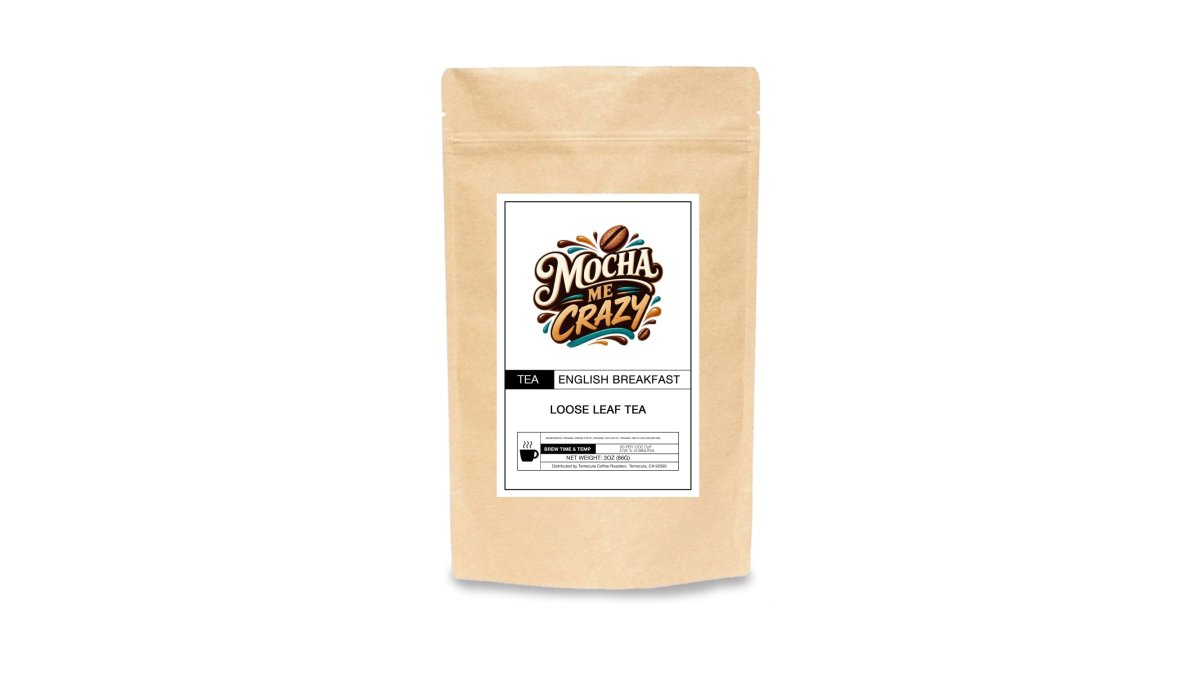
- Loose-leaf tea. Start with one green and one black so you can taste the difference temperature makes. Our Jasmine and English Breakfast make a good pair for that exercise.
Notice what's missing: scales, tasting cups, scent cups, glass servers, and dedicated iced tea makers. Those are real tools with real uses, and you'll want some of them eventually.


Tea Kettles: Electric, Stovetop, and Temperature Control
A tea kettle with temperature control is the highest-value purchase in a beginner's kit, because water temperature decides whether your tea tastes sweet or bitter.
The difference shows up fastest with green tea. Pour fully boiling water onto green leaves and you extract bitterness almost immediately.
Electric models with variable settings now cost roughly what a decent stovetop kettle did a few years ago, which is why we steer beginners toward electric.
Why a Tea Kettle With Temperature Control Beats a Boiling Pot
A pot of boiled water is a blunt instrument. It hits one temperature and stays there while it cools unpredictably. A temperature-controlled kettle lets you set a number and repeat it, which is the entire foundation of brewing consistently.
What most guides miss is that the kettle also solves the measurement problem. If you can set water temperature precisely, you can start changing one variable at a time and actually learn what your tea should taste like.
Choosing a Loose-Leaf Tea Infuser or Strainer
A loose-leaf tea infuser is a perforated basket or mesh holder that lets water circulate around the leaves while keeping them out of your cup. The mesh size matters more than the shape: fine mesh holds small leaf pieces and broken blends, while wide holes let grit through.
Three styles cover almost every beginner's needs:
- Infuser baskets drop into a mug or teapot and lift out cleanly. Best all-rounder for daily brewing.
- Mesh strainers sit over the cup while you pour from a separate vessel. Best when you brew in a pot.
- French presses use a plunger and metal filter. Best for large-leaf teas and for anyone who already owns one.
Skip ball-shaped infusers with small holes. Leaves need room to unfurl, and a cramped ball steeps unevenly, leaving you with a weak first half and a bitter second.
Infuser Baskets, Mesh Strainers, and French Presses Compared
Each option solves the same problem differently, and the right pick depends on how you brew.
| Style | Best For | Cleaning Effort | Leaf Room |
|---|---|---|---|
| Infuser basket | Single mugs, daily brewing | Low, rinse and go | Moderate |
| Mesh strainer | Brewing in a teapot | Low | High, leaves float free |
| French press | Large-leaf teas, big batches | Moderate, needs disassembly | High |
If you brew one cup at a time, buy a basket. If you brew for two or more people, buy a strainer and a pot. If you already own a French press, use it before buying anything new. A common mistake is buying three straining tools before learning how one of them behaves with your tea.
Finding the Best Teapot for Loose-Leaf Tea
The best teapot for loose-leaf tea is one large enough for the leaves to move and easy enough to clean that you actually use it.
Glass lets you watch the leaves unfurl, which is genuinely useful when you're learning. Ceramic holds heat longer, which helps with black tea and chai.
Size is where beginners go wrong. A tiny pot packed with leaves steeps unevenly and leaves no room for expansion.
How to Brew Loose-Leaf Tea: A Step-by-Step Walkthrough
Learning how to brew loose-leaf tea is mostly about repeating the same four steps and adjusting one variable at a time. Here is the process we'd give anyone starting out.
- Heat water to the temperature your tea needs. Green and white teas want cooler water. Black, oolong, and herbal teas want hotter.
- Measure leaves into your infuser. A rough starting point is one heaping teaspoon of leaves per cup of water, then adjust to taste.
- Pour and start a timer. Pour water over the leaves and note the time. Don't walk away.
- Strain and taste. Remove the leaves at the target time. Taste it, then decide whether the next cup needs more time or less.
That's the whole method. The variables are temperature, leaf quantity, and time, and the fastest way to learn is to change only one per brew.
Temperature, Ratio, and Steeping Time by Tea Type
Use this as a starting point, then adjust to your own taste. Our Earl Grey label, for example, recommends water at 195 F for 5 to 10 minutes at about 2.5 grams per 12 ounces, which is a useful reference point for black tea blends.

| Tea Type | Water Temperature | Steep Time | Notes |
|---|---|---|---|
| Green | Cooler, below boiling | Short | Goes bitter fast at high heat |
| White | Cooler, below boiling | Medium | Delicate leaves, gentle pour |
| Oolong | Hot, near boiling | Short to medium | Good for multiple steepings |
| Black | Hot, near boiling | Medium to long | Stands up to milk and sugar |
| Herbal | Boiling | Long | Needs heat to extract fully |
Iced Tea and Matcha: Equipment for Cold Brews and Powdered Tea
Cold brewing and matcha need different tools than hot brewing, and both are worth setting up once you have the basics. Our Moroccan Mint is built for exactly this, refreshing hot and a step up iced.
Matcha is a powder, so straining tools don't apply. Our Matcha is milled for traditional preparation, and Hojicha is a roasted powder that whisks into a smoother, toastier cup if standard matcha runs too grassy for you.
Budget Tiers: What to Spend at Each Stage
Spending should follow your habit, not your enthusiasm. Buy the cheapest setup that lets you brew properly, then upgrade the piece that annoys you most.
- Starter tier: a basic variable-temperature electric kettle, one infuser basket, and a mug. This covers daily brewing for one person.
- Second tier: add a glass teapot and a mesh strainer so you can brew for two and watch the leaves.
- Third tier: add a gooseneck kettle, a gaiwan or glass server, and a matcha bowl and whisk if powdered tea is part of your routine.
A useful rule: don't buy tier-three gear until a tier-one or tier-two item has actually limited you. Most beginners never hit that limit, and the money is better spent on fresh tea.
Common Beginner Mistakes and Safety Notes
The most common beginner mistake is buying equipment before understanding temperature. A cabinet full of gadgets won't fix boiling water poured onto green tea.
Others we see often:
- Cramming leaves into a small infuser. Leaves need room. Use a bigger basket or brew loose in a pot and strain.
- Leaving leaves in the cup. Unless you're drinking grandpa-style on purpose, pull the infuser out at the target time.
- Storing tea near heat or light. Tea takes on odors and fades fast. Keep it sealed and away from the stove.
- Brewing in a vessel that can't be scrubbed. Flavor carryover is real, especially with spiced blends like our Masala Chai.
- Pouring boiling water into a cold glass pot. Thermal shock can crack thin glass. Warm the pot with a splash of hot water first.
On safety: treat any kettle as a burn risk, keep cords away from the sink, and never fill past the maximum line. For guidance on water quality and safe drinking water at home, the EPA's drinking water information is a solid reference, and the USDA's food safety guidance covers storage basics for perishable goods. For tea-specific brewing standards, the FDA's guidance on tea and infusions is worth a look.
Frequently Asked Questions
What equipment do you need to brew loose-leaf tea?
A minimal setup covers four items: a kettle, an infuser or strainer, a mug or teapot, and a way to measure leaves. A tea kettle with temperature control helps because green and white teas brew best below a rolling boil, while black tea wants water closer to 195-212 F. Add a small scale or measuring spoon for consistency. You do not need a full gaiwan set or a dedicated tea station to start. Buy the four basics, brew a few cups, then add tools once you know which teas you actually drink.
Do beginners need a teapot to make loose-leaf tea?
No. A loose-leaf tea infuser dropped into a mug brews a perfectly good cup and costs far less than a teapot. A teapot earns its place when you are brewing for two or more people, when you want to re-steep the same leaves across several cups, or when you are serving a tea that benefits from room to expand, like a full-leaf oolong. Start with an infuser basket, then move to the best teapot for loose-leaf tea once you know your brewing habits.
What type of tea infuser works best for beginners?
A stainless steel basket infuser that fits inside your mug is the most forgiving option. The basket gives leaves room to open, the fine mesh keeps small particles out of your cup, and cleanup takes seconds. Ball infusers squeeze leaves into too small a space, so full-leaf teas expand poorly and taste flat. Silicone and mesh strainers work for larger leaves but let dust through. Whichever you pick, rinse it right after brewing so tannins do not dry onto the mesh.
How do you clean and store tea-brewing equipment?
Rinse kettles, infusers, and teapots with warm water after each use and dry them fully before storing. Skip dish soap on porous clay and unglazed ceramics, since they absorb odors. Once a month, descale your kettle with a 1:1 water and white vinegar soak, then boil fresh water twice to clear the taste. Store loose-leaf tea in an airtight tin away from light, heat, and strong-smelling spices. Matcha and Hojicha powder keep best in the fridge in a sealed container, used within a few weeks of opening.
The hardest part of starting isn't the gear, it's keeping your tea fresh enough to be worth brewing carefully. That's where we come in. Mocha Me Crazy roasts and packs to order so your leaves and beans arrive at their peak, with carefully sourced teas, fast and reliable delivery, and a simple ordering process that doesn't lock you into anything. Get started with Mocha Me Crazy and taste what your new setup can actually do.