

Make Espresso at Home Without a Machine
Table of Contents
- What Qualifies as Espresso Without a Machine
- How to Make Espresso in a Moka Pot
- AeroPress Espresso Recipe
- French Press Espresso-Style Coffee
- Best Coffee Grind for Espresso
- Choosing the Right Beans and Ratios
- Common Mistakes to Avoid
- Frequently Asked Questions
Last Updated: October 10, 2026
What Qualifies as Espresso Without a Machine
True espresso requires pressure. A machine forces hot water through ground coffee at 9 bars of pressure, creating that signature crema layer and concentrated shot. Without a machine, you cannot make authentic espresso.
What you can make at home is espresso-style coffee when you make espresso at home. This is concentrated, bold coffee that mimics espresso's intensity and flavor profile without the pressure. Methods like moka pots, AeroPress, and French press all produce strong coffee that works beautifully in milk drinks or as a standalone shot.
The distinction matters. Marketing sometimes blurs this line, but knowing the difference helps you set realistic expectations. Espresso-style coffee tastes rich and full-bodied. It's darker and more concentrated than regular drip coffee. For most home uses, lattes, cappuccinos, Americanos, espresso-style coffee works perfectly.
How to Make Espresso in a Moka Pot
A moka pot brews strong coffee by forcing steam through ground beans. It sits on your stovetop and produces concentrated shots in about 5 minutes.


What You'll Need:
- Moka pot (3-cup, 6-cup, or 9-cup sizes available)
- Finely ground coffee
- Hot water
- Stovetop burner
Step 1: Fill the Bottom Chamber Pour hot water into the bottom chamber up to the safety valve.
Step 2: Add Ground Coffee Fill the filter basket with finely ground coffee. Pack it gently, not too tight, not too loose.
Step 3: Screw on the Top Chamber Twist the top chamber onto the bottom chamber firmly.
Step 4: Heat on Medium Place the moka pot on medium heat. Listen for a gurgling sound. This means water is pushing through the grounds.
Step 5: Remove When Hissing Starts When you hear a hissing sound, remove the pot from heat immediately. The coffee is ready.
Expected Result: You'll get 1-2 ounces of concentrated, espresso-style coffee per cycle. This works great for lattes or as a shot on its own.
AeroPress Espresso Recipe
An AeroPress is a simple tube with a plunger. It brews in about 90 seconds and creates smooth, concentrated coffee.
What You'll Need:
- AeroPress
- Finely ground coffee
- Hot water (195-205°F)
- Paper or metal filter
- Mug or pitcher
Step 1: Insert the Filter Place a paper or metal filter in the basket. Rinse paper filters with hot water to remove paper taste.
Step 2: Add Coffee Add 15-18 grams of finely ground coffee to the chamber. This is roughly 2-3 tablespoons.
Step 3: Pour Hot Water Pour 2 ounces of hot water slowly over the grounds. Let it bloom for 30 seconds. This releases flavors.
Step 4: Add More Water Pour an additional 2 ounces of hot water. The total should be about 4 ounces.
Step 5: Press Down Place the plunger on top. Press down firmly and steadily for about 30 seconds. You should hear a hissing sound as air pushes through.
Expected Result: You'll get a strong, clean shot of espresso-style coffee. It's smooth because the paper filter removes oils.
French Press Espresso-Style Coffee
A French press steeps coarse grounds in hot water, then you press down to separate grounds from liquid.
What You'll Need:
- French press (8-cup or 12-cup)
- Coarsely ground coffee
- Hot water (200°F)
- Timer
- Spoon for stirring
Step 1: Heat the Press Pour hot water into the French press and let it sit for 30 seconds. This warms the glass. Discard the water.
Step 2: Add Ground Coffee Add coarsely ground coffee. Use a 1:4 ratio of coffee to water.
Step 3: Pour Hot Water Pour hot water slowly over the grounds. Stir gently to make sure all grounds are wet.
Step 4: Let It Steep Place the lid on top (but don't press yet). Wait 4 minutes. This steeping time extracts flavor.
Step 5: Press Slowly Press the plunger down slowly and steadily. This takes about 30 seconds. Pressing too fast can cause grounds to spray.
Expected Result: You get rich, full-bodied espresso-style coffee. The metal filter lets more oils through than paper, creating a thicker mouthfeel.
Best Coffee Grind for Espresso
Grind size is the single most important variable in espresso-style brewing.
Why Grind Size Matters
When water contacts coffee grounds, extraction begins immediately. In a moka pot or AeroPress, you have only 90 seconds to 5 minutes.
If your espresso-style coffee tastes sour or weak, the grind is too coarse, water passed through too fast.
Grind Guide by Method
| Method | Grind Size | Texture Comparison | Extraction Time | Adjustment If Weak | Adjustment If Bitter |
|---|---|---|---|---|---|
| Moka Pot | Fine | Powdered sugar or flour | 5 minutes | Grind finer | Grind coarser |
| AeroPress | Fine | Fine sand or table salt | 90 seconds | Grind finer or extend bloom | Grind coarser or press faster |
| French Press | Coarse | Sea salt or peppercorns | 4 minutes | Grind finer | Grind coarser |
Burr Grinder vs. Blade Grinder
Invest in a burr grinder, either conical or flat burr. Burr grinders produce uniform particle size.
A basic burr grinder costs $30-$50 and will last years, making it essential if you want to make espresso at home.
Grind Freshness and Consistency
Grind immediately before brewing. Coffee loses flavor within 15 minutes of grinding because the increased surface area causes volatile compounds to evaporate.
When grinding, use the same grind setting each time you brew the same method. Most burr grinders have numbered settings.
Testing Your Grind
If you're unsure whether your grind is right, do a simple test:
- Brew a small batch using your current grind setting.
- Taste the result. Is it sour or weak? Grind finer next time. Is it bitter or muddy? Grind coarser next time.
- Adjust by one or two notches on your grinder and brew again.
- Repeat until you find the sweet spot.
This process takes 2-3 brews but teaches you how your grinder and method work together.
Choosing the Right Beans and Ratios
Bean selection and coffee-to-water ratio work together to determine strength and flavor.
Bean Selection by Brewing Method
Dark roast and medium-dark roast beans work best for espresso-style brewing.
- For moka pots and AeroPress: Choose beans labeled "espresso blend" or "dark roast." These are roasted specifically to handle high heat and pressure-like extraction. They produce bold flavor and visible crema-like layers.
- For French press: Choose "espresso blend," "dark roast," or "medium-dark roast." The longer steep time (4 minutes) extracts more flavor, so you have more flexibility. Medium-dark roasts will taste rich without becoming over-extracted or ashy.
- Avoid light roasts for all three methods when making espresso-style coffee. Light roasts taste thin and acidic when concentrated. Save them for regular drip coffee.
Buy whole beans roasted within the past 2 weeks. Check the roast date on the bag. Beans lose flavor after 3 weeks from roast.
Coffee-to-Water Ratios by Method
These ratios are measured by weight (grams) and are starting points. Adjust based on taste.
| Method | Ratio | Example | Yield | Strength |
|---|---|---|---|---|
| Moka Pot (3-cup) | 1:2 | 15g coffee + 30g water | ~1.5 oz | Very strong |
| AeroPress | 1:2.5 | 18g coffee + 45g water | ~1.5 oz | Strong |
| French Press (8-cup) | 1:4 | 30g coffee + 120g water | ~4 oz | Medium-strong |
How to Measure and Adjust
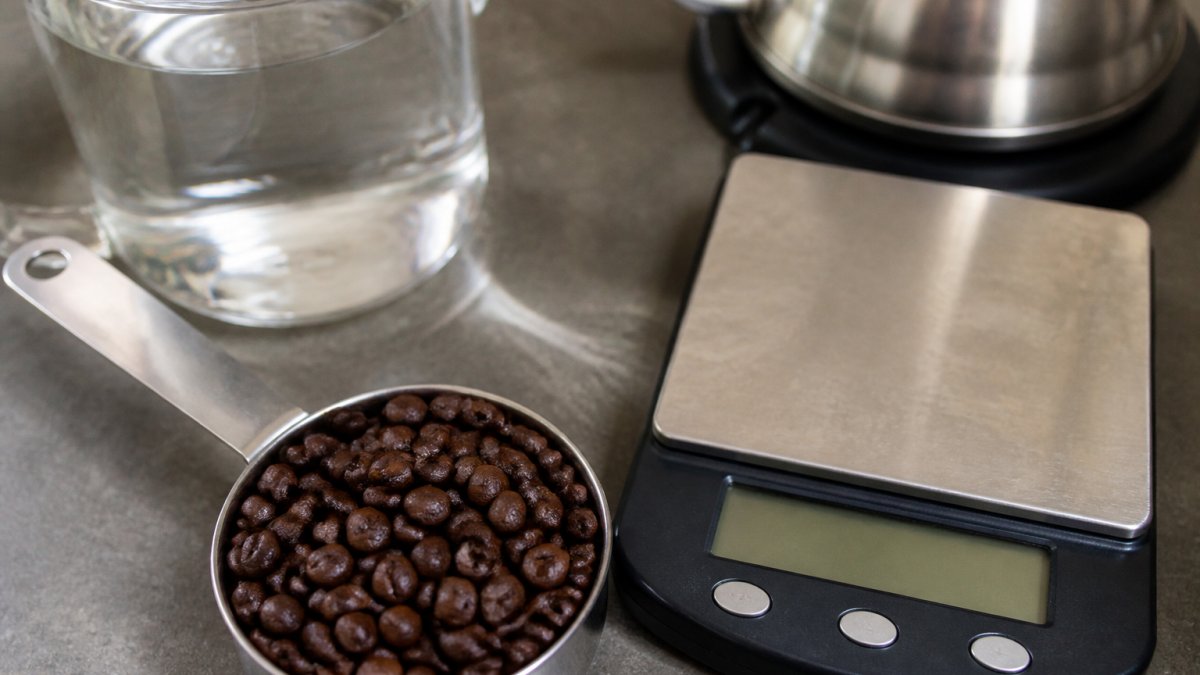
Use a kitchen scale for accuracy. Measuring by volume (tablespoons or cups) is inconsistent because grind size and bean density vary.
- If the coffee tastes weak or sour: Use more coffee or brew longer. Increase the coffee amount by 1-2 grams, or add 30 seconds to steep time (French press) or bloom time (AeroPress).
- If the coffee tastes bitter or muddy: Use less coffee or brew shorter. Decrease the coffee amount by 1-2 grams, or reduce brew time by 30 seconds.
- If the coffee tastes balanced but not strong enough for milk drinks: Increase the coffee amount by 2-3 grams. This makes the concentrate stronger without over-extracting.
Ratios for Milk Drinks
If you're making lattes, cappuccinos, or macchiatos, you need a stronger concentrate than you would for a straight shot.
- For lattes (1 part coffee to 3 parts milk): Use a 1:2 ratio (moka pot or AeroPress). This produces a bold concentrate that stands up to steaming milk.
- For cappuccinos (1 part coffee to 1-2 parts milk): Use a 1:2 ratio. The smaller milk volume means you need a very strong concentrate.
- For Americanos (1 part coffee to 2-3 parts hot water): Use a 1:2.5 ratio (AeroPress). The added water dilutes the concentrate, so start strong.
Test by making a small milk drink. If the coffee flavor disappears, increase the coffee amount next time.
Water Temperature and Quality
Use water between 195-205°F. Boil water and wait 30 seconds before pouring if you don't have a thermometer.
Use filtered water if your tap water is hard or heavily chlorinated.
Common Mistakes to Avoid
Using Old Coffee Beans lose flavor after 2-3 weeks from roast. Check the roast date on your bag. Stale coffee tastes flat and dull, no matter how well you brew it.
Water Temperature Too Low Cold water won't extract flavor. Use water between 195-205°F. If you don't have a thermometer, boil water and wait 30 seconds before pouring.
Inconsistent Grind Uneven grind sizes cause uneven extraction. Invest in a burr grinder. It's the single biggest upgrade for home espresso-style brewing.
Packing Coffee Too Tight Overpacking the filter basket restricts water flow. Pack gently. The coffee should be snug but not compressed.
Ignoring Brew Time Each method has an ideal brew time. Moka pots take 5 minutes. AeroPress takes 90 seconds. French press takes 4 minutes. Shorter times taste sour. Longer times taste bitter.
Frequently Asked Questions
Can I make espresso out of regular coffee?
Yes, you can make espresso-style coffee from regular beans, but true espresso requires 9+ bars of pressure, which home methods cannot achieve. French press, AeroPress, and moka pot methods produce concentrated, strong coffee that mimics espresso's intensity and flavor profile without the crema. The key is using a fine grind, proper coffee-to-water ratio, and the right brewing method. Freshly roasted beans like Mocha Me Crazy's 6 Bean Blend or Italian Roast deliver the bold flavor you'd expect from espresso.
What is the easiest way to make espresso at home?
The AeroPress is widely considered the easiest method for beginners. It requires minimal equipment, produces results in under 2 minutes, and is forgiving if your technique isn't perfect. The French press is another simple option if you already own one. Both methods require only coarsely to finely ground coffee, hot water, and basic equipment. A moka pot takes slightly longer but delivers the strongest espresso-style concentrate of the three methods.
Can a moka pot make espresso?
A moka pot creates espresso-style coffee, not true espresso. It uses steam pressure (1-2 bars) rather than the 9+ bars needed for authentic espresso, so it cannot produce crema. However, moka pots deliver a concentrated, bold coffee that closely resembles espresso in strength and flavor. They work best with finely ground, freshly roasted beans and a 1:2 coffee-to-water ratio. The result is ideal for making milk drinks like lattes and cappuccinos.
What coffee grind should I use for espresso-style coffee?
Use a fine grind for moka pots and AeroPress methods, similar to table salt texture. French press requires a coarser grind to prevent grounds from passing through the mesh filter. The exact grind size depends on your brewing method and desired strength. Finer grinds increase extraction and produce stronger, more concentrated coffee. Freshly ground beans are essential, pre-ground coffee loses flavor and aroma within days. Grind your beans just before brewing for maximum flavor.
Making espresso-style coffee at home is achievable without expensive equipment. The real difference comes from fresh beans and attention to detail. Get started with quality, freshly roasted coffee from Mocha Me Crazy. Our on-demand roasting ensures maximum flavor and aroma in every cup. Order your beans today and experience how freshness transforms your morning ritual.