

How to Store Artisan Matcha Powder: A 2026 Guide
Table of Contents
- Why Artisan Matcha Degrades Faster Than You Think
- What You'll Need Before You Store Matcha Powder
- Step-by-Step: How to Store Artisan Matcha Powder
- How Long Does Matcha Stay Fresh After Opening?
- Best Containers for Matcha Storage
- Signs of Oxidized Matcha Powder
- Common Matcha Storage Mistakes to Avoid
- Travel Storage and Kitchen Environment Tips
- Frequently Asked Questions
Last Updated: September 21, 2026
Why Artisan Matcha Degrades Faster Than You Think
Artisan matcha is stone-ground green tea powder that loses quality fast once it meets air, light, heat, or moisture. That is why learning how to store artisan matcha powder properly matters more than almost any other step in your matcha routine.

Here is the uncomfortable truth: matcha is far more fragile than loose-leaf tea. The powder form exposes a huge surface area to oxygen. Oxidation starts the moment you open the bag.
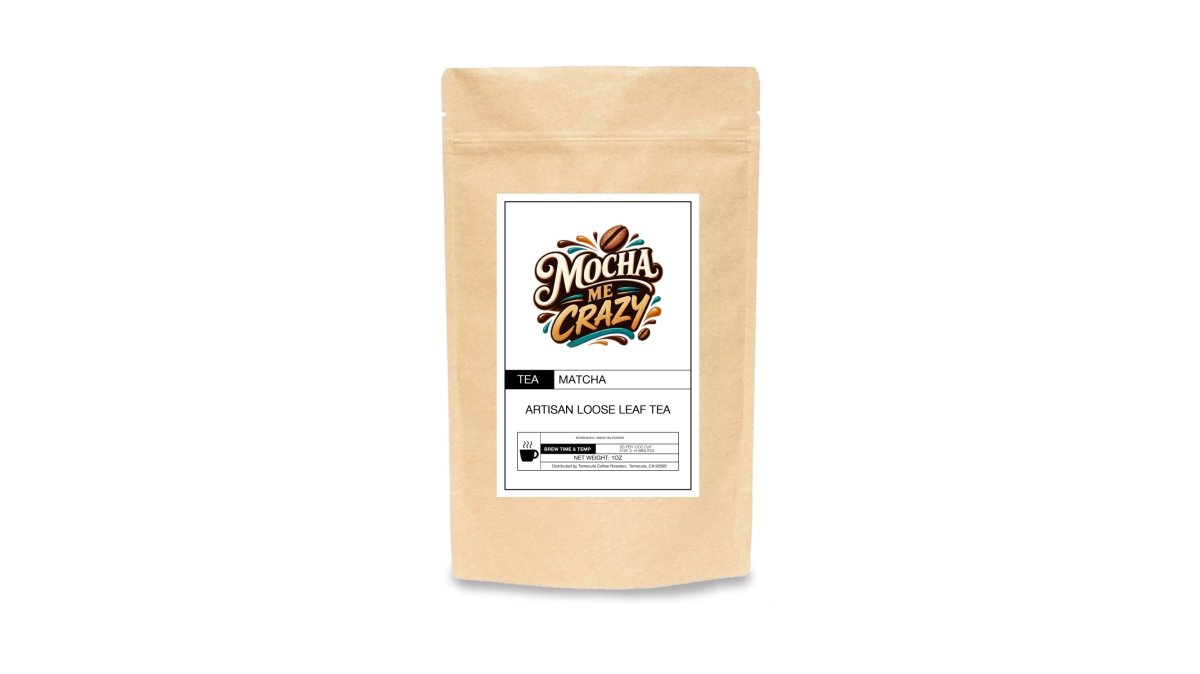
At Mocha Me Crazy, we ship matcha and coffee with freshness as the whole point. Our Matcha is crafted for traditional preparation and mindful daily rituals. That quality only survives if you store it right.
Three things speed up decline:
- Oxygen breaks down delicate compounds and dulls flavor
- Light, especially UV light, fades color and aroma
- Heat and moisture cause clumping and stale, bitter notes
Get these three under control and your matcha stays vivid for weeks.
What You'll Need Before You Store Matcha Powder
Gather the right tools before you open a fresh pouch. A common mistake is decanting matcha into whatever jar is closest, which usually means a clear glass jar that ruins it.
Total Time: 10 minutes Difficulty: Beginner
Here is your short list:
- An opaque, airtight container (tin or light-proof jar)
- The original foil pouch or a vacuum-sealed bag
- An oxygen absorber or desiccant packet, if you have one
- A cool, dark shelf away from the stove
- A small scoop or spoon, kept dry
You do not need expensive gear. You need containers that block light and seal tight. That is it.
Step-by-Step: How to Store Artisan Matcha Powder
Follow these four steps in order. Each one solves a different problem, and skipping any of them shortens shelf life.
Step 1: Keep It Sealed and Airtight
Transfer matcha to a container that seals completely, or keep it in its original foil pouch and press out the air. Airtight means no air exchange at all.
Air exposure is the top cause of flat, lifeless matcha. Every time you open a bag, oxygen rushes in. Squeeze the pouch before resealing, or use a container with a rubber gasket.
Step 2: Block Light With an Opaque Container
Store matcha in an opaque container or a light-proof tin. Clear glass looks nice on a shelf and destroys your matcha.
UV light speeds up degradation and breaks down chlorophyll, the compound behind that bright green color. Lose the chlorophyll and you lose color retention too. A metal tin or a dark ceramic jar solves this in one move.
Step 3: Pick the Right Temperature Zone
Keep matcha in a cool and dark place at room temperature for daily use. The fridge works for long-term storage, but only if you seal it perfectly.
Temperature control breaks down like this:
| Storage Zone | Best For | Watch Out For |
|---|---|---|
| Pantry shelf | Daily use, opened matcha | Heat from stove, direct sun |
| Refrigerator | Unopened or long-term | Condensation, odors |
| Freezer | Sealed long-term backup | Freezer burn, thermal shock |
For most people, a pantry shelf beats the fridge. Fewer temperature swings, less condensation.
Step 4: Manage Moisture and Condensation
Moisture is the sneakiest threat. A cold container moved into a warm room pulls water out of the air, and that water lands on your powder.
This is condensation, and it ruins matcha fast. Let a refrigerated container sit sealed until it reaches room temperature before opening it. Add a desiccant packet if humidity runs high in your kitchen.
How Long Does Matcha Stay Fresh After Opening?
Opened matcha stays fresh for about two to four weeks at peak quality, and up to two months if stored perfectly. Unopened matcha lasts far longer, often six to twelve months past its seal date.
The clock starts the day you break the seal.
Best Containers for Matcha Storage
| Container | Light Protection | Air Seal | Best For |
|---|---|---|---|
| Opaque metal tin (double-lidded) | Excellent | Excellent | Daily use |
| Foil pouch (foil-lined, zip or heat-sealed) | Excellent | Good | Original packaging |
| Vacuum-sealed bag | Excellent | Excellent | Long-term storage |
| Dark ceramic jar with gasket | Good | Good | Short-term use |
| Amber or cobalt glass jar | Partial | Varies | Short-term use only |
| Clear glass jar | None | Varies | Avoid entirely |
One more variable: headspace. A tin that is three-quarters full holds three-quarters as much air as an empty one. If you store a small amount in a large tin, either size down or drop in a food-grade oxygen absorber to mop up the remaining oxygen.
Signs of Oxidized Matcha Powder
Oxidized matcha powder shows clear warning signs: dull olive color, a flat or bitter taste, and a faded aroma. Fresh matcha is bright green with a sweet, grassy umami note.
Check for these signals:
- Color: dull yellow-green or brownish, not vivid green
- Smell: weak, dusty, or hay-like instead of fresh and sweet
- Texture: clumpy or caked rather than fine and loose
- Taste: bitter, flat, or metallic instead of smooth umami
Common Matcha Storage Mistakes to Avoid
Most storage failures come down to a handful of repeat mistakes. Fix these and your matcha lasts noticeably longer.
- Storing matcha in a clear glass container on an open shelf
- Keeping the bag open while you scoop, letting air pour in
- Moving matcha between the fridge and pantry repeatedly
- Storing near the stove, where heat and steam live
- Skipping a desiccant in humid kitchens
- Buying more than you can drink in a month
Travel Storage and Kitchen Environment Tips
Most guides stop at "keep it cool and dark." The two places matcha actually fails are in transit and in the specific spot you chose in your kitchen. Here is how to handle both.
Travel storage
Travel storage needs one thing above all: a container that will not leak or crush. Pack matcha in a small airtight tin, or double-bag it in a vacuum-sealed pouch.
- Use a small opaque tin that fits your bag
- Add a desiccant packet for humid climates
- Keep it out of a hot car or direct sun
- Avoid checked luggage, where pressure and cold shift
- Bring only what you will drink on the trip
Kitchen audit: where matcha should never live
Walk your kitchen and check these five spots. If your matcha is in any of them, move it today.
- Above or beside the stove. Heat and steam rise. Even a few feet away, cooking raises local temperature and humidity.
- Next to the kettle or coffee maker. Same problem, smaller scale. Steam drifts.
- On a windowsill or open shelf. Direct sun and daily temperature swings.
- On top of the fridge. Warm air rises from the compressor, and the surface vibrates.
- In the door of the fridge. The door is the warmest, most temperature-unstable part of the fridge, and it swings open constantly.
Frequently Asked Questions
Are you supposed to refrigerate your matcha powder?
You can refrigerate matcha, but only if the container is truly airtight. Matcha absorbs odors and moisture from the fridge, so a foil pouch or sealed tin is essential. Let the container sit at room temperature before opening it, otherwise condensation forms on the powder and speeds up degradation. For daily use, a cool, dark pantry shelf is often simpler and safer than repeated trips in and out of the fridge.
What are the best containers for matcha storage?
The best containers for matcha storage block three things: air, light, and moisture. Small opaque tins with tight lids, vacuum-sealed bags, and foil pouches all work well. Add an oxygen absorber or desiccant packet for extra protection. Avoid clear glass jars on open shelves, because UV light breaks down chlorophyll and dulls both color and flavor. Keep the container small so there is little headspace for air.
How can you tell if matcha has gone stale?
The clearest signs of oxidized matcha powder are a dull olive or brownish color instead of vivid green, a flat or hay-like smell, and a bitter, chalky taste with little umami. Clumping and a dry, dusty texture also point to moisture exposure. Fresh matcha smells sweet and grassy and whisks into a smooth, bright foam. If your powder shows several of these signs, it is past its best.
Does light exposure affect the quality of matcha powder?
Yes, light is one of the fastest ways to ruin matcha. UV and visible light break down chlorophyll and catechins, which is why the color fades from bright green to dull olive. That is also why clear glass containers should be avoided. Store matcha in an opaque tin, a light-proof foil pouch, or a cupboard where no direct sun reaches it. Even a few weeks on a sunny shelf can noticeably flatten the aroma and umami.
Your matcha only tastes as good as the way you store it. Oxygen, light, heat, and moisture will strip the color and flavor from even the finest powder within weeks. Mocha Me Crazy roasts and ships with freshness in mind, so your Matcha arrives ready for the ritual. Order fresh, seal it tight, and keep it dark and cool. Get started with Mocha Me Crazy and taste what fresh matcha is supposed to be.