

Is Matcha Tea Good for Weight Loss? What Science Says
Table of Contents
- What Matcha Is and Why It's Different
- How Matcha Supports Metabolism and Fat Oxidation
- Matcha vs Green Tea for Weight Loss
- How to Prepare Matcha for Weight Loss
- The Best Time of Day to Drink Matcha
- Matcha's Limits: Caffeine, Appetite, and What It Can't Do
- How Long-Term Matcha Habits Fit Into Weight Management
- Frequently Asked Questions
Last Updated: September 18, 2026
What Matcha Is and Why It's Different
Is matcha tea good for weight loss? The short answer is that matcha can support weight management, but only as one part of a broader strategy. Matcha is a powdered green tea made from shade-grown tea leaves, and because you consume the entire leaf, you get a more concentrated dose of caffeine and catechins than you would from steeped tea.

That difference matters. Steeping a tea bag leaves most of the leaf behind. Whisking matcha into water means you drink the whole thing.
At Mocha Me Crazy, we source matcha for people who treat their daily cup as a ritual, not an afterthought. And when the goal is weight management, the details of what's in that cup start to matter as much as the flavor.
How Matcha Supports Metabolism and Fat Oxidation
Matcha's main lever for weight management is a group of plant compounds called catechins, with EGCG (epigallocatechin gallate) being the most studied. Catechins appear to support thermogenesis, the process by which your body generates heat and burns calories.
The other lever is caffeine, which can raise energy expenditure slightly and make physical activity feel easier. Combined, these two compounds are why matcha shows up in so many conversations about fat oxidation.
Here's the honest caveat: the effect is modest. Catechins and caffeine nudge your metabolism; they don't overhaul it. Anyone promising dramatic results from matcha alone is selling you something.
Matcha vs Green Tea for Weight Loss
The difference between matcha and standard green tea comes down to how much of the leaf you actually consume. Matcha is the whole leaf, stone-ground into powder. Regular green tea is an infusion of that same leaf, and you discard the solids.
| Factor | Matcha | Regular Green Tea |
|---|---|---|
| What you consume | Entire leaf, powdered | Steeped infusion only |
| Catechin concentration | Higher per serving | Lower per serving |
| Caffeine per cup | Moderate to high | Low to moderate |
| L-theanine | Present | Present |
| Preparation effort | Whisking required | Simple steep |
For weight management, matcha delivers more catechins and caffeine per cup. For someone who wants a gentler, lower-caffeine option, steeped green tea is the better fit. Both contain polyphenols and antioxidants; matcha simply concentrates them.
How to Prepare Matcha for Weight Loss
How you prepare matcha for weight loss matters more than most people realize. The powder itself is nearly calorie-free, roughly 3 to 5 calories per 1-gram serving, but the add-ins are where good intentions go to die. A single pump of flavored syrup can add 20 to 25 calories, a tablespoon of honey adds about 60, and a latte built on whole milk and vanilla syrup can easily clear 200 calories before you've eaten anything. That's a small meal disguised as a health drink.
The clean preparation method
- Sift 1-2 grams of matcha (about ½ to 1 teaspoon) into a bowl to break up clumps. A fine-mesh strainer works if you don't own a sifter.
- Add 60-70 ml of hot water, around 175°F. Boiling water scorches the leaf and turns the cup bitter, which makes you reach for sweetener.
- Whisk in a zigzag motion until a fine foam forms, about 15-20 seconds. A bamboo chasen does this best; a milk frother works in a pinch.
- Top with more hot water to your preferred strength, usually another 60-90 ml.
- Skip the sugar, honey, and flavored syrups. These add calories fast and blunt the whole point.
If you want it creamy
Unsweetened almond milk runs about 30 calories per cup; unsweetened oat milk sits closer to 45 to 80 depending on the brand. Either keeps the drink reasonable. Sweetened vanilla oat milk, by contrast, can push past 120 calories per cup, read the label, because "oat milk" on its own tells you nothing about the sugar load.
Grade matters for efficacy, not just flavor
Ceremonial-grade matcha is made from the youngest shade-grown leaves and carries the highest concentration of catechins and L-theanine. Culinary grade is harvested later, is more bitter, and is designed for baking and smoothies, it typically delivers a lower antioxidant load per gram. For a daily weight-management cup, ceremonial or a high-quality "premium" grade is the better investment. You're paying for leaf quality, and leaf quality is where the EGCG lives.
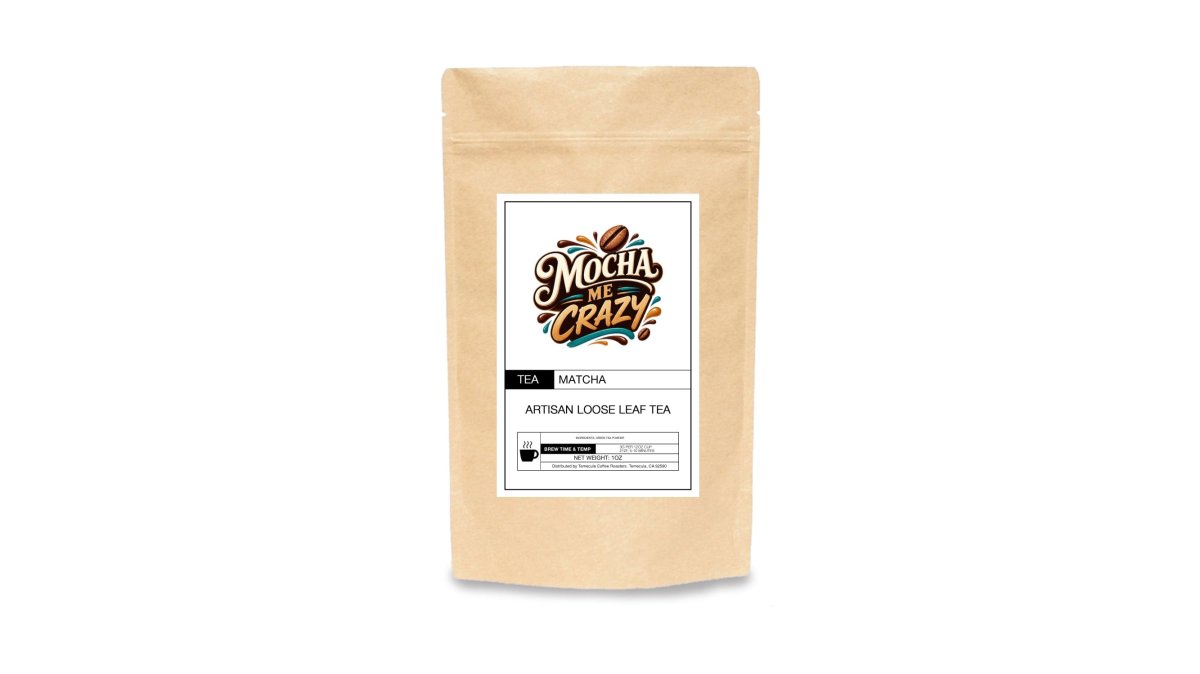
If you'd rather skip the guesswork on quality, our Matcha is crafted for traditional preparation, so it whisks cleanly without clumping.
The Best Time of Day to Drink Matcha
There's no single "correct" time to drink matcha for weight loss, but there is a logic to it. Caffeine reaches peak blood levels roughly 30 to 60 minutes after you drink it, and its half-life runs about 3 to 5 hours in most adults. That curve should shape when you pour your cup.
Pre-workout: the strongest case
Drinking matcha 30 to 60 minutes before exercise is the most defensible timing choice. Caffeine is one of the few supplements with solid evidence behind it for exercise performance, it can reduce perceived effort and let you push a little harder, which means more calories burned during the session itself. Matcha's L-theanine also smooths the caffeine curve, so the energy tends to feel steadier than a cup of coffee. If you train in the morning, matcha fits naturally into your pre-workout window.
Empty stomach vs. with food
Drinking matcha on an empty stomach is popular, but the evidence that it boosts fat oxidation more than a fed-state cup is thin. What is well documented is that some people get nausea, jitters, or stomach discomfort from caffeine on an empty stomach.
Before a meal for appetite
The cutoff that matters most
One more note on timing: matcha's L-theanine content tends to smooth out the caffeine curve, so the energy feels steadier than coffee for many people. That's a real advantage if coffee leaves you wired.
Matcha's Limits: Caffeine, Appetite, and What It Can't Do
Matcha is not a weight-loss drug, and treating it like one sets you up for disappointment. The metabolic effect is small. The caffeine tolerance you build over time shrinks even that small effect.
What matcha can't do:
- Override a caloric surplus from your diet
- Replace physical activity and dietary changes
- Fix poor sleep, high stress, or underlying health conditions
How Long-Term Matcha Habits Fit Into Weight Management
Weight management is a long game, and the drinks you enjoy daily matter more than the ones you force down for a week. Matcha fits that frame well because it's pleasant enough to keep drinking.
A realistic weekly rhythm looks like this:
- Most mornings: one cup of matcha, unsweetened
- Pre-workout days: matcha 30-60 minutes before training
- Afternoons: switch to a lower-caffeine option like hojicha
- Always: keep total caffeine within your personal tolerance
Frequently Asked Questions
Does matcha burn belly fat?
No single drink burns belly fat on its own. Matcha contains EGCG and caffeine, which research links to higher thermogenesis and fat oxidation, but those effects are modest and only matter inside a caloric deficit. Matcha can support weight management alongside dietary changes and physical activity, not replace them. Anyone promising spot reduction from matcha alone is overselling it.
What is better for weight loss, matcha or green tea?
Matcha usually wins on concentration. Because you whisk the whole leaf into water, you get more catechins and caffeine per cup than steeped green tea, which leaves much of the leaf behind. That said, both contain EGCG and polyphenols, and the difference is small enough that consistency matters more than which one you pick. Choose the one you'll actually drink daily.
How much matcha should I drink daily for weight loss?
One to two cups (about 1 to 2 grams of powder each) is a practical daily range for most adults. That delivers a meaningful dose of EGCG and roughly 60 to 70 mg of caffeine per gram without pushing you past typical caffeine tolerance. Start with one cup, see how your body responds, and avoid drinking it late in the day if it disrupts your sleep.
What are the downsides of drinking matcha tea?
The main issues are caffeine sensitivity, possible stomach upset on an empty stomach, and the fact that matcha is often served with sugar or milk, which adds calories and cancels out the benefit. Matcha also contains compounds that can reduce iron absorption, so people with iron deficiency may want to drink it between meals rather than with iron-rich food.
Does matcha contain enough caffeine to boost metabolism?
A typical cup has 30 to 70 mg of caffeine, enough to produce a small rise in metabolic rate and thermogenesis, especially combined with EGCG. The effect is real but limited. Caffeine tolerance builds with regular use, so the metabolic bump tends to shrink over time. Matcha works best as one part of a broader weight management routine, not as a standalone fat burner.