

Matcha vs Coffee for Morning Energy Levels: 2026 Guide
Table of Contents
- What Morning Energy Actually Means for Your Body
- Caffeine Content in Matcha vs Coffee: The Real Numbers
- L-Theanine Benefits for Focus: The Calm-Alertness Edge
- Jitters, Crashes, and Cortisol: How Each Drink Treats Your Morning
- How to Switch from Coffee to Matcha Without Losing Your Edge
- Cost Per Serving and the Ritual: What Your Morning Really Costs
- Conclusion: Choosing Your Morning Cup
- Frequently Asked Questions
Last Updated: September 25, 2026
What Morning Energy Actually Means for Your Body
Morning energy is not just about feeling awake. It is the combination of alertness, steady focus, and physical readiness that carries you through the first half of your day without a mid-morning collapse. At Mocha Me Crazy, the same question keeps coming up: which cup actually delivers better morning energy levels?
The honest answer is that matcha and coffee work through different mechanisms. Coffee delivers a fast, concentrated hit of caffeine. Matcha pairs caffeine with L-theanine, an amino acid that changes how that caffeine feels. Neither is universally better. What matters is how your metabolism handles caffeine, how sensitive you are to its side effects, and what kind of focus you need.

Caffeine Content in Matcha vs Coffee: The Real Numbers
A standard 8-ounce cup of brewed coffee typically contains roughly 95 milligrams of caffeine, while a traditional serving of matcha (about 1 to 2 grams of powder whisked into water) usually lands between 30 and 70 milligrams. That gap tells only part of the story.
Why Caffeine Half-Life Matters More Than Total Milligrams
Caffeine has a half-life of roughly 3 to 5 hours in most adults, so half of what you drink at 8 a.m. is still circulating by early afternoon. A second cup at noon stacks caffeine on caffeine, which is how the 3 p.m. crash turns into 11 p.m. insomnia.
L-Theanine Benefits for Focus: The Calm-Alertness Edge
L-theanine is an amino acid found almost exclusively in tea leaves, and it is the biggest reason matcha feels different from coffee. On its own it promotes relaxation without sedation; combined with caffeine, it smooths out the stimulant's sharper edges.
Caffeine and L-Theanine Together: What the Synergy Does
Caffeine blocks adenosine receptors, the brain's "I'm tired" signal. L-theanine appears to modulate neurotransmitters like GABA and dopamine, supporting a state often described as calm alertness.
Jitters, Crashes, and Cortisol: How Each Drink Treats Your Morning
Coffee raises cortisol, your body's primary stress hormone, and that effect is strongest first thing in the morning when cortisol is already near its daily peak. Drinking coffee immediately after waking can amplify the jittery edge and set up a crash a few hours later. Matcha's slower caffeine release and L-theanine content produce a gentler cortisol response, not a sedative, but a stimulant with a softer landing.
Caffeine Sensitivity and Individual Metabolic Response
This is the part most comparisons skip, and it explains why two people can drink the same cup and feel completely different things.
- Fast metabolizers clear caffeine quickly. They can drink a cup at 4 p.m. and still sleep, and they often describe coffee as "barely doing anything."
- Slow metabolizers clear caffeine at roughly half the rate. A single 8-ounce cup can still be measurably active six or more hours later, which is why some people feel wired at midnight after a morning cup.
Why the Crash Happens (and Why Matcha's Is Shallower)
The mid-morning crash is the predictable result of three things happening at once:
- Adenosine rebound. Caffeine works by blocking adenosine, the molecule that builds up in your brain as you stay awake and creates sleep pressure. When the caffeine clears, that accumulated adenosine binds all at once, and the fatigue you would have felt gradually arrives in a lump.
- Blood sugar swings. Coffee on an empty stomach can amplify a cortisol spike, and cortisol pushes blood sugar up. The subsequent dip contributes to the shaky, foggy feeling around 10:30 or 11 a.m.
- The stacking effect. A second cup at 10 a.m. does not prevent the crash. It delays it and makes the eventual landing harder.
What This Means for Your Morning
If you are a slow metabolizer, coffee first thing is the worst-case setup: peak cortisol plus peak caffeine plus slow clearance. Shifting your first cup to 90 minutes after waking, or switching to matcha, often resolves the jitters.
| Factor | Matcha | Coffee |
|---|---|---|
| Typical caffeine per serving | 30-70 mg | 95 mg |
| Release speed | Slow, steady | Fast spike |
| L-theanine content | Yes, naturally present | None |
| Jitter risk | Lower | Higher |
| Crash risk | Lower | Higher |
| Best for | Sustained focus, sensitivity | Fast lift, high tolerance |
How to Switch from Coffee to Matcha Without Losing Your Edge
Going cold turkey from coffee to matcha rarely works. The caffeine drop is noticeable, and most people quit within a week. A gradual transition protects your morning routine while your body adjusts.
Here is the approach we recommend:
- Week 1: Replace your afternoon coffee with matcha. Keep your morning cup unchanged.
- Week 2: Swap your second morning cup (if you have one) for matcha.
- Week 3: Move to a 50/50 blend of coffee and matcha in your first cup.
- Week 4: Make matcha your primary morning drink, with coffee as an occasional treat.
- Ongoing: Adjust the ratio based on how you feel by 11 a.m. each day.
Cost Per Serving and the Ritual: What Your Morning Really Costs
Cost per serving is where the comparison gets practical. A bag of premium coffee or a tin of matcha looks expensive upfront, but the per-cup math usually surprises people in both directions.
The Per-Cup Math
The math depends on three variables: product price, dose per serving, and servings per package.
The Convenience Gap Nobody Talks About
Coffee is often automated. A drip machine, pod system, or pre-set espresso routine means the marginal effort of cup two is close to zero, a genuine advantage on a rushed morning, and the biggest reason people abandon matcha after a week.
How to Close the Gap Without Losing the Ritual
A few practical moves make matcha fit a busy morning:
- Pre-sift a week's worth of powder into a small jar so the morning step is just scoop and whisk.
- Use a milk frother instead of a traditional whisk if speed matters more than ceremony. The texture is slightly different but the drink works.
- Batch a cold matcha concentrate the night before and pour it over ice or hot water in the morning.
- Keep coffee as the weekday default and matcha as the weekend ritual if the time cost is the real barrier.
What This Means for Your Budget
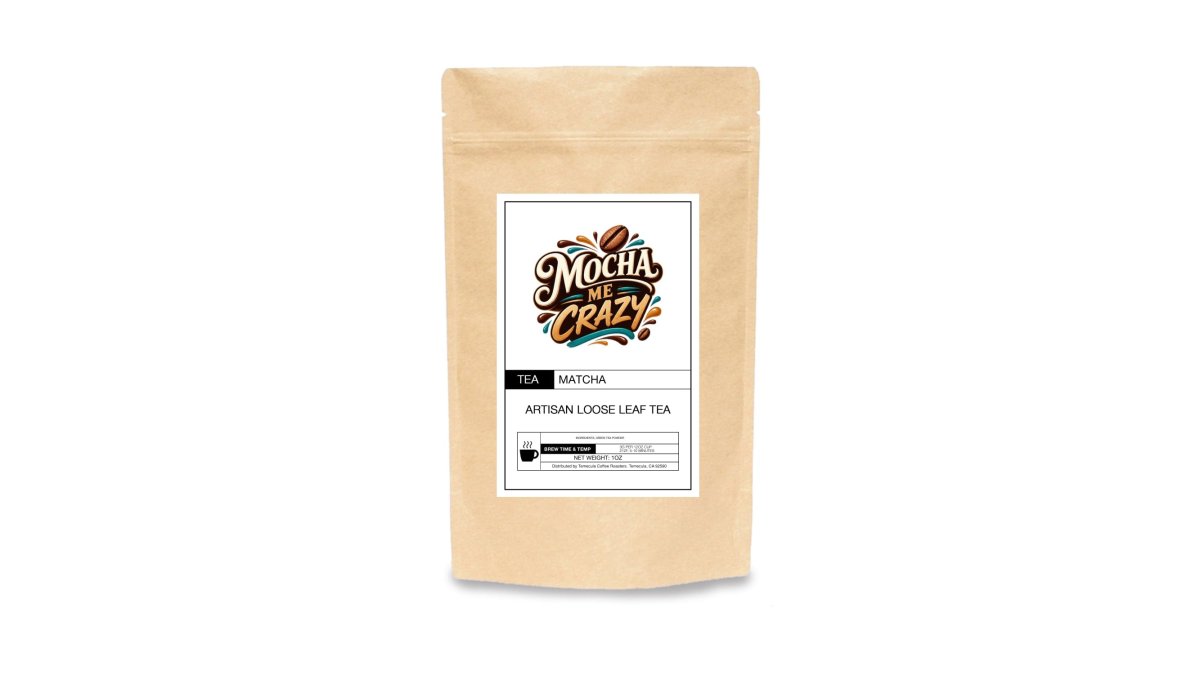
At Mocha Me Crazy, our Matcha is $23.99, and our coffee blends like Breakfast Blend + and Max Caf Blend are $24.99 each. Because we roast every order on demand, what arrives at your door is fresher than anything sitting on a grocery shelf, and freshness shows up directly in flavor and aroma.


Conclusion: Choosing Your Morning Cup
The real challenge is not picking a winner between matcha and coffee. It is matching your drink to how your body processes caffeine, then building a morning routine you will keep. Most people cycle through three or four options before finding the one that fits.
Frequently Asked Questions
Is it better to drink matcha in the morning instead of coffee?
It depends on how you want your energy to feel. Matcha delivers caffeine alongside L-theanine, an amino acid tied to calm alertness, so many people report a steadier rise without the sharp spike and crash that coffee can bring. Coffee acts faster and hits harder. If you need an immediate jolt, coffee wins. If you want sustained energy across a long morning of work, matcha is often the smoother choice.
Does matcha give you better energy than coffee?
Better is subjective, but the curve differs. Coffee's caffeine absorbs quickly, producing a fast peak and a noticeable drop a few hours later. Matcha's caffeine releases more gradually, and its L-theanine content supports focus without the jittery effect. For steady morning energy, matcha tends to feel more even. For raw intensity, coffee still leads. Your caffeine sensitivity and metabolism decide which one suits you.
Does matcha spike your cortisol?
Both matcha and coffee can raise cortisol, the hormone that helps you wake up. The difference is magnitude and timing. Coffee's rapid caffeine delivery produces a sharper cortisol response, especially if you drink it within an hour of waking. Matcha's slower release is gentler on that curve. If morning anxiety or a wired feeling is a problem, shifting your first cup later or choosing matcha can reduce the spike.
How does the caffeine content in matcha vs coffee compare?
An 8-ounce cup of brewed coffee typically contains 95 to 165 milligrams of caffeine, while a standard serving of matcha lands around 60 to 70 milligrams. Matcha's numbers look lower, but the caffeine binds to catechins and L-theanine, slowing absorption. That is why a matcha serving can feel like it lasts longer than its milligram count suggests. If you want a high-caffeine coffee, Max Caf Blend is built for that.
How do I switch from coffee to matcha without crashing?
Taper instead of quitting cold. Replace your afternoon coffee with matcha first, then swap the morning cup over one to two weeks. This softens withdrawal symptoms like headaches and fatigue. Keep your total caffeine steady at first so your body adjusts to the delivery change, not a drop in intake. Sip matcha slowly and pair it with protein to support blood sugar regulation through the morning.