

Natural Alternatives to Energy Drinks for Students
Table of Contents
- Why Students Turn Away From Commercial Energy Drinks
- The Caffeine Crash: Why Sustained Focus Beats the Quick Spike
- Benefits of Matcha for Students
- Herbal Teas and Green Tea for Alertness
- How to Stay Awake While Studying Without Caffeine
- Healthy Study Snacks for Focus
- Natural Stimulants and Adaptogens for Students
- Budget-Friendly Student Meal Prepping for Energy
Why Students Turn Away From Commercial Energy Drinks
Commercial energy drinks promise quick relief from exhaustion, but the crash that follows often makes studying harder. The initial surge of alertness gives way to jitters, anxiety, and dramatic energy collapse within hours.
The problem isn't caffeine itself, it's how commercial energy drinks deliver it. They combine high doses of caffeine with refined sugar, artificial stimulants, and additives that create a sharp spike followed by a steep drop. Your body burns through the glucose and caffeine quickly, leaving you more depleted than before, often creating a cycle that disrupts sleep and amplifies stress.
Natural alternatives to energy drinks for students work differently. Instead of chasing a spike, they provide sustained focus without the crash. Whether it's matcha with its amino acid balance, herbal teas with gentle stimulants, or nutrient-dense snacks that stabilize blood sugar, these options keep your cognitive function stable for hours.
The Caffeine Crash: Why Sustained Focus Beats the Quick Spike
When you consume high-dose caffeine quickly, your body absorbs it rapidly, flooding your system with stimulation and blocking adenosine receptors. Within 3-5 hours, the caffeine metabolizes and those receptors suddenly activate all at once, creating a crash that feels worse than your baseline fatigue (peer-reviewed research).
Sustained focus works differently. Instead of one dramatic spike, you maintain steady alertness throughout your study session. This happens when caffeine enters gradually, when paired with compounds that slow absorption, or through non-caffeinated methods. Students who maintain steady energy report better retention, fewer errors, and the ability to study longer without mental exhaustion.
L-theanine is one key compound enabling this. Found naturally in green tea and matcha, it works synergistically with caffeine to smooth out the stimulant effect. Instead of a sharp peak, you get gradual alertness that sustains for hours without anxiety or elevated heart rate.
The practical takeaway: sustained focus beats the quick spike every time. This is why natural alternatives to energy drinks for students have gained traction, they're designed to support cognitive function across a full study session, not just the first 30 minutes.
Benefits of Matcha for Students
Matcha offers a fundamentally different energy experience than commercial drinks. This finely ground green tea powder delivers caffeine alongside L-theanine, amino acids, and antioxidants that work together to support mental clarity and sustained alertness.
L-Theanine and Mental Clarity
L-theanine is an amino acid unique to tea that enhances focus without overstimulation. When paired with caffeine, it increases alpha wave activity in your brain, the state associated with calm alertness and creativity. Students using matcha report feeling focused and composed, not jittery or anxious.
Matcha contains roughly 70 milligrams of caffeine per serving, paired with 100-200 milligrams of L-theanine. This ratio creates sustained energy that peaks gradually and lasts 4-6 hours without sharp drop-off. Mental clarity improves within 20-30 minutes.

Sustained Release Without the Jitter
The jitter comes from rapid caffeine absorption combined with stress hormones your body releases in response to overstimulation. Matcha prevents this. Chlorophyll and other compounds slow caffeine absorption, creating a gentler rise in alertness. Your hands stay steady, breathing remains calm, and focus sharpens without physical agitation.
Mocha Me Crazy's matcha offering is crafted for traditional preparation, giving you the full benefit of whole leaf powder rather than concentrated extract.
Herbal Teas and Green Tea for Alertness
Herbal teas provide alertness through different mechanisms than matcha, making them valuable alternatives depending on your study needs.
Green Tea Catechins for Cognitive Performance
Green tea contains catechins, antioxidants that support cognitive function and mental clarity. These compounds cross the blood-brain barrier and interact with neurotransmitters involved in focus and memory. Regular green tea consumption has been associated with improved attention and reduced mental fatigue.
Green tea delivers caffeine gradually, about 25-50 milligrams per cup, making it ideal for students wanting alertness without overstimulation. The catechins also provide neuroprotective benefits, supporting long-term cognitive health alongside immediate focus needs.
Mint and Herbal Blends for Sustained Alertness
Mint tea doesn't contain caffeine but supports alertness through different pathways. Menthol increases blood flow to the brain and enhances sensory perception. Students often find that sipping mint tea helps them stay mentally engaged without stimulant dependence.
Mocha Me Crazy's Moroccan Mint blend combines green tea with fresh mint, giving you gentle caffeine from the tea and sensory stimulation from the mint. The ritual of preparing and sipping tea also provides a mental reset between study sessions, supporting focus across longer periods.
How to Stay Awake While Studying Without Caffeine
Staying alert during study sessions doesn't depend entirely on caffeine. Environmental, physiological, and behavioral factors play equally important roles in maintaining alertness and cognitive performance.
Hydration and Electrolyte Balance
Dehydration is one of the most overlooked causes of mental fatigue during studying. Even mild dehydration reduces cognitive function, impairs memory formation, and increases the perception of effort. Your brain is 75% water (the NIH).
Drink water consistently throughout your study session, aim for 8-10 ounces every 30-45 minutes. For longer study marathons (4+ hours), include an electrolyte source like a pinch of salt and lemon in water, or coconut water, which naturally contains electrolytes.
Power Naps and Circadian Rhythm Alignment
A 20-30 minute power nap can restore alertness more effectively than caffeine (peer-reviewed research). During a nap, your brain consolidates information and resets adenosine levels, the chemical that builds up during wakefulness and triggers sleep pressure.
Timing matters. Your circadian rhythm creates natural peaks and valleys in alertness throughout the day. Most people experience a dip in early afternoon (around 1-3 PM) and again in late evening. Scheduling study sessions during natural peaks and taking naps during dips aligns with your biology rather than fighting it.
Non-Caffeinated Sensory Hacks
Your senses directly influence alertness. Cold water on your face, a change of location, bright light, and specific scents can trigger an alert state. Bright light is particularly effective, natural sunlight or bright artificial light increases alertness and improves mood. Cold water is another quick reset. Peppermint scent has been shown to enhance alertness and focus.
Healthy Study Snacks for Focus
What you eat during study sessions directly impacts your ability to maintain focus and avoid energy crashes that derail productivity.
Blood Sugar Regulation and Sustained Energy
Blood sugar crashes are a primary cause of mental fatigue and reduced cognitive performance. When you eat refined carbohydrates or sugary snacks, your blood glucose spikes rapidly, triggering an insulin response that brings it crashing down.
Sustained energy comes from snacks combining protein, healthy fats, and complex carbohydrates. These nutrients digest slowly, providing steady glucose to your brain without spike-and-crash patterns. Protein also triggers neurotransmitters like dopamine and norepinephrine, which support focus and motivation.
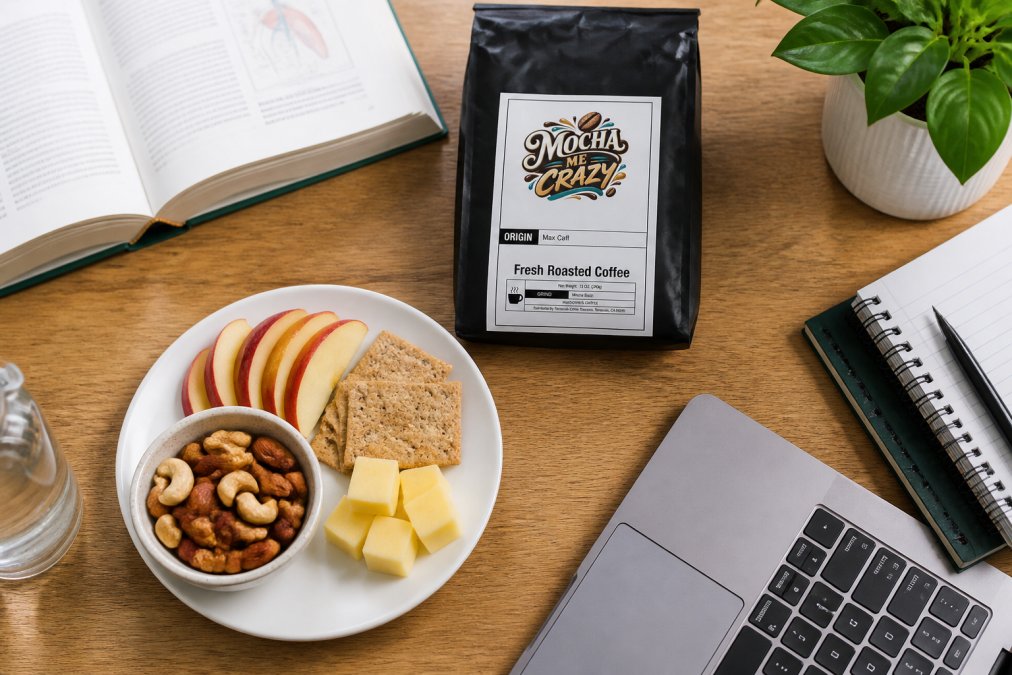
Nutrient-Dense Snacks Without the Sugar Spike
Effective study snacks include nuts and seeds (almonds, walnuts, chia seeds), which provide protein, healthy fats, and magnesium. Fresh fruit paired with nuts or cheese offers natural carbohydrates with fiber, slowing absorption and preventing blood sugar spikes. Whole grain crackers with cheese or hummus provide sustained energy without refined sugar.
Avoid snacks that promise energy but deliver crashes: candy, soda, and sugary granola bars. A simple rule: if a snack contains more sugar than protein, it will worsen your energy stability.
Natural Stimulants and Adaptogens for Students
Beyond caffeine, several natural compounds support energy, focus, and stress resilience without the crash associated with commercial energy drinks.
Mushroom-Infused Coffee for Clarity and Stamina
Medicinal mushrooms like Lion's Mane, Cordyceps, and Reishi support cognitive function and physical endurance. Lion's Mane is associated with mental clarity and focus. Cordyceps support stamina. Reishi promotes calm and balance. When infused into coffee, these mushrooms work synergistically with caffeine to create a more complete energy profile.
Mocha Me Crazy's Coffee with Mushrooms combines specialty-grade coffee with this mushroom blend, delivering caffeine alongside compounds that support sustained cognitive performance.

For students preferring instant options, Mocha Me Crazy's Instant Coffee with Mushroom offers the same benefits with quick preparation. Simply add hot water for a complete energy beverage supporting both immediate alertness and sustained cognitive function.

Budget-Friendly Student Meal Prepping for Energy
Commercial energy drinks cost $2-4 per can. Over a semester, that adds up quickly. Natural alternatives become significantly more affordable when you prepare them yourself.
A bulk purchase of quality tea, matcha, or coffee beans costs far less per serving than commercial drinks. Mocha Me Crazy's Breakfast Blend +, roasted to order, provides premium quality at competitive pricing compared to daily coffee shop visits.

For snacks, buying nuts, seeds, and dried fruit in bulk and portioning them costs a fraction of pre-packaged options. A week's worth of study snacks can be prepared in 30 minutes for under $15. When you have prepared snacks and beverages ready, you're less likely to reach for expensive convenience options when fatigue hits.
On Sunday, brew a batch of cold brew tea or coffee, portion snacks into containers, and prepare matcha or mushroom coffee servings in advance. This 30-minute investment supports your focus and productivity across the entire week while keeping costs low.
Natural alternatives to energy drinks for students offer what commercial beverages cannot: sustained focus without the crash, better long-term cognitive health, and genuine cost savings. Whether you're drawn to the sustained alertness of matcha, the cognitive support of mushroom-infused coffee, or the simplicity of herbal tea, the options are abundant.
The shift away from commercial energy drinks isn't about sacrifice. It's about choosing beverages and snacks that actually support your body's natural energy systems. Mocha Me Crazy's carefully sourced matcha and mushroom-infused coffee blends are specifically crafted to deliver the energy and focus students need, roasted fresh to maximize flavor and nutritional benefits. Start with one natural alternative this week and notice how your focus, energy stability, and overall well-being improve.
Frequently Asked Questions
What is a natural replacement for energy drinks that won't cause a caffeine crash?
Matcha and green tea offer sustained focus without the crash because they contain L-theanine, which slows caffeine absorption and promotes calm alertness. Unlike commercial energy drinks with high sugar and synthetic stimulants, these alternatives provide steady cognitive function and mental clarity. Herbal teas like peppermint and ginger also deliver natural energy through micronutrients without the jitter or metabolic crash. Pairing any beverage with balanced snacks that regulate blood sugar prevents the energy dip.
How do the benefits of matcha for students compare to coffee?
Matcha delivers 25-70 mg of caffeine per serving (compared to coffee's 95-200 mg) but includes L-theanine, which promotes sustained focus and mental clarity without anxiety. This combination creates jitter-free energy and prevents the sharp caffeine crash that coffee drinkers often experience. Matcha also contains antioxidants and supports metabolic health, making it ideal for students who need sustained alertness during long study sessions without physical fatigue or mental exhaustion.
What can I drink to give me energy to study without caffeine at all?
Herbal teas, electrolyte-infused water, and fresh fruit smoothies provide hydration and sustained energy without caffeine. Peppermint tea boosts alertness through natural compounds; ginger supports circulation and cognitive performance. Smoothies with nuts, seeds, and fruit stabilize blood sugar for hours of sustained focus. Hydration itself is critical, even mild dehydration reduces mental clarity and cognitive function. These options work best when paired with balanced meals to maintain energy metabolism throughout study sessions.
How to stay awake while studying without caffeine when I'm exhausted?
A 20-minute power nap realigns your circadian rhythm and restores alertness more effectively than stimulants. Combine this with hydration, nutrient-dense snacks, and non-caffeinated sensory hacks: cold water on your face, standing while studying, or opening a window for fresh air. Eating protein and complex carbs stabilizes blood sugar and prevents mental exhaustion. If you need sustained energy, matcha or green tea catechins provide alertness without the crash, while proper sleep timing maximizes your body's natural energy metabolism.
Are there healthy study snacks for focus that won't spike my blood sugar?
Yes. Nuts, seeds, whole grain crackers with cheese, Greek yogurt, and fresh fruit all stabilize blood sugar and prevent the energy crash. These nutrient-dense snacks deliver magnesium, antioxidants, and protein that support cognitive function and mental clarity. Avoid sugary snacks and energy drinks, which cause a quick spike followed by metabolic exhaustion. Pair snacks with water or herbal tea to maintain hydration status, which directly impacts alertness levels and sustained focus during study sessions.
This article was written using GrandRanker