

Order Premium Matcha Tea Online 2026: A Buyer's Guide
Table of Contents
- Why 2026 Is the Best Year Yet to Order Premium Matcha Tea Online
- Ceremonial Grade Matcha vs Culinary Grade: Which One Belongs in Your Cup
- How to Store Matcha Tea for Maximum Freshness After It Arrives
- First Harvest, Stone-Ground, Shade-Grown: What These Terms Actually Mean
- Matcha Carbon Footprint and Sustainability: What to Ask Before You Buy
- Water Temperature and Whisking Troubleshooting for Bitter, Clumpy Matcha
- Comparing Oxidation Levels: Why Fresh Matcha Tastes Different
- Pricing, Shipping, and What to Expect When You Order Premium Matcha Tea Online
- Frequently Asked Questions
Last Updated: September 16, 2026
Why 2026 Is the Best Year Yet to Order Premium Matcha Tea Online
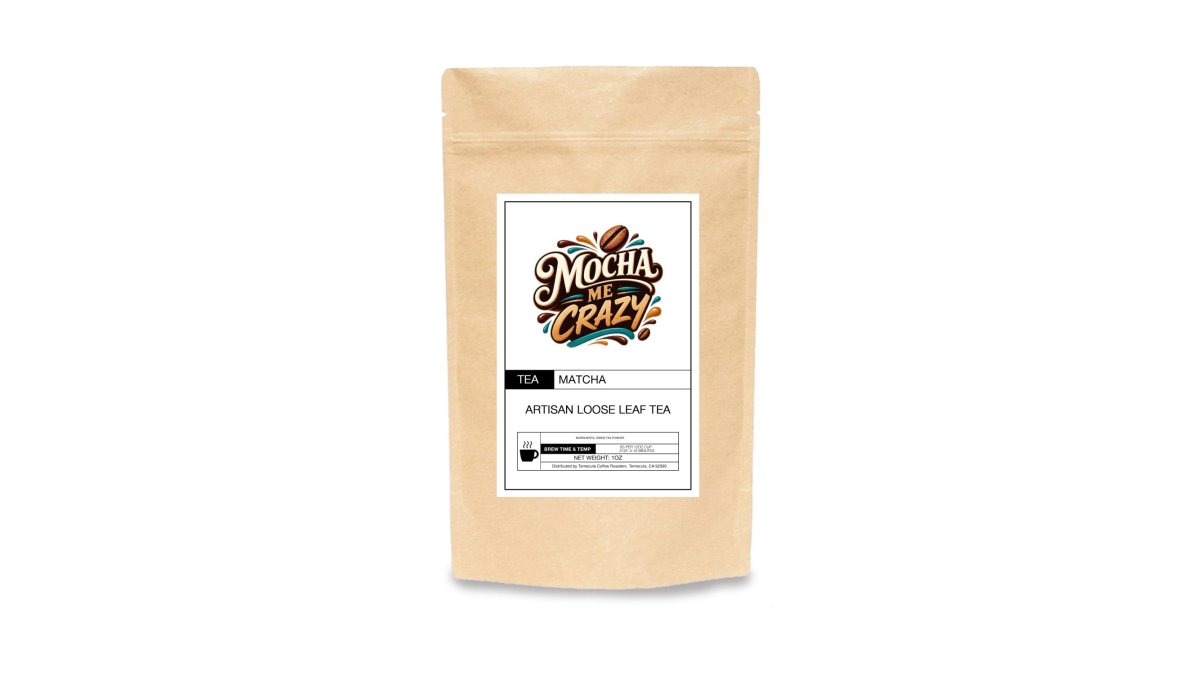
The case for buying matcha online has never been stronger, and the reason is freshness. When you order premium matcha tea online in 2026, you're buying into a supply chain that has finally caught up with demand: more direct trade relationships, faster international shipping, and better cold-chain handling than at any point in the past decade. This guide from Mocha Me Crazy walks through everything that decides whether the powder in your bowl tastes sweet and oceanic or flat and dusty.

Ceremonial Grade Matcha vs Culinary Grade: Which One Belongs in Your Cup
Ceremonial grade matcha is made from the youngest first-harvest leaves, de-stemmed and de-veined, then stone-ground into a fine powder meant to be whisked with hot water alone. Culinary grade matcha comes from later harvests, has a stronger bitterness profile, and is built for blending into lattes, smoothies, and baked goods.
| Attribute | Ceremonial Grade | Culinary Grade |
|---|---|---|
| Harvest | First harvest, young leaves | Later harvests |
| Flavor | Sweet, umami-forward | Bitter, strong |
| Color | Vibrant green | Yellow-green to olive |
| Best for | Whisking with water | Lattes, baking, smoothies |
How to Read a Matcha Label Without Getting Fooled
A label that says "premium" tells you nothing. Look for the specific terms instead: first harvest, shade-grown, stone-ground, and a named origin. If a package lists none of these, treat it as culinary grade regardless of what the front of the tin claims.
How to Store Matcha Tea for Maximum Freshness After It Arrives
The best way to store matcha tea for maximum freshness is in an airtight, opaque container kept cold, dark, and away from strong odors. Matcha is powdered green tea, and powder oxidizes far faster than leaf tea because every particle is exposed to air. A sealed tin of leaf tea might hold its character for a year; an opened tin of matcha starts losing its vivid color and sweet umami within weeks.
- Container: A small, opaque, airtight tin, ideally one that holds only as much as you'll use in two to four weeks. Glass jars look nice but let light through, and light accelerates chlorophyll degradation.
- Temperature: The refrigerator, around 38-40°F, is the standard recommendation. Avoid the freezer door and the fridge door shelves, where temperature swings every time the door opens.
- Moisture control: Bring the tin to room temperature before opening it. Opening a cold tin in a warm kitchen causes condensation to form on the powder, and moisture is what turns matcha clumpy and dull.
- Odor isolation: Matcha absorbs surrounding smells. Keep it away from spices, coffee, onions, and anything else aromatic in the fridge. A second outer container helps.
- Headspace: Press out excess air before sealing. Oxygen is the primary driver of oxidation, and a half-empty tin full of air ages faster than a full one.
The First 48 Hours Matter Most
The first 48 hours after opening decide how the rest of the tin will taste. Oxygen hits the powder immediately, and chlorophyll degrades fastest in that window, which is why the color shift from vibrant jade to olive is often visible within a few days of a poorly resealed tin. Reseal tightly after every single use, and never leave the lid off while you whisk.
How Packaging Affects Shelf-Life and Color Retention
Packaging is where most of the freshness battle is won or lost before the matcha ever reaches your kitchen. The main variables are oxygen exposure and light exposure:
- Nitrogen-flushed sealed pouches displace oxygen with an inert gas at the packing facility. These typically preserve color and flavor far longer than pouches sealed in ambient air, and they're the standard for producers shipping internationally.
- Vacuum-sealed bags remove air mechanically. Effective, but the compression can compact the powder and the seal is only as good as the film.
- Resealable foil pouches are common for direct-from-farm sellers. Quality varies widely with the thickness of the foil and whether the zip closure actually holds.
- Tins with a double lid (an inner press lid plus an outer cap) offer the best reusable protection once the original packaging is opened.
First Harvest, Stone-Ground, Shade-Grown: What These Terms Actually Mean
First harvest means the leaves were picked in the earliest spring flush, when amino acids like L-theanine peak and bitterness stays low. Shade-grown means the plants were covered for weeks before picking, which boosts chlorophyll and gives the powder its vivid green color. Stone-ground means granite mills turned the dried tencha leaves slowly into powder without heat damage.
Matcha Carbon Footprint and Sustainability: What to Ask Before You Buy
Air-freighted matcha carries a far heavier carbon footprint than sea-freighted matcha, and most sellers won't volunteer which one they use. Ask directly. Then ask about organic certification, direct trade arrangements, and whether the packaging is recyclable or compostable.
Water Temperature and Whisking Troubleshooting for Bitter, Clumpy Matcha
Bitter matcha is almost always a water problem. Water above roughly 175°F scalds the powder and pulls out harsh tannins, so let your kettle cool for a few minutes after boiling. Clumpy matcha is a sifting problem: press the powder through a fine sieve before whisking, then add a small amount of water first and work it into a paste.
Comparing Oxidation Levels: Why Fresh Matcha Tastes Different
Oxidation is the quiet variable nobody talks about. Freshly ground matcha tastes sweet, vegetal, and umami-rich. As the powder oxidizes, those notes flatten, the color shifts from vibrant green toward olive, and bitterness moves forward.
Pricing, Shipping, and What to Expect When You Order Premium Matcha Tea Online
Expect to pay more for first-harvest ceremonial grade than for culinary grade, and expect shipping speed to affect what arrives in your cup. The price spread across the market is wide, and it tracks three things: harvest timing, grade, and how the matcha was shipped and stored.
What Drives the Price of Premium Matcha
- Harvest timing. First-harvest (ichibancha) leaves command the highest prices because the spring flush produces the highest L-theanine and the lowest bitterness. Later harvests cost less to produce and sell for less.
- Grade. Ceremonial grade is de-stemmed, de-veined, and stone-ground slowly, labor-intensive steps that culinary grade skips.
- Shade-growing. Covering the plants for weeks before harvest reduces yield and adds cost, but it's what produces the vivid green color and sweet umami.
- Origin and farm reputation. Single-origin matcha from named farms carries a premium over blended, anonymous-origin powder.
- Shipping method. Air freight is faster but far more expensive and carbon-intensive than sea freight. A seller who air-freights fresh matcha is passing that cost into the price, and often delivering a fresher product.
How Shipping Speed Affects What You Taste
Matcha begins oxidizing the moment it's ground, and transit time is part of its aging. A tin that spends six weeks on a slow boat and then sits in a warehouse arrives with flatter flavor and duller color than one that was air-freighted and shipped to you within days of packing. This is why the fastest sellers aren't always the most expensive per gram, they're often the ones moving the freshest stock.
When comparing sellers, weigh three things together:
- Harvest transparency. Does the listing name the harvest year and, ideally, the harvest window? A 2026 first-harvest matcha should say so.
- Packaging quality. Nitrogen-flushed, light-blocking, resealable packaging protects freshness in transit. Thin pouches with weak seals do not.
- Shipping window. A short, tracked transit time means less time oxidizing in a warehouse or a delivery truck.
A Practical Evaluation Framework
Before you buy, ask the seller three questions. If they can't answer all three, keep looking:
- What is the harvest date on this batch?
- How was the matcha sealed and shipped?
- What is the expected transit time to my address?
Frequently Asked Questions
Where can I buy the best matcha online?
Look for vendors that ship directly from Japan or roast-to-order sellers with clear harvest dates. Mocha Me Crazy's Matcha ($23.99) is crafted for traditional preparation and mindful daily rituals. Prioritize sellers who list the harvest season, provide airtight packaging, and offer shipping with tracking. Avoid listings without origin details or batch dates.
How do I identify authentic ceremonial grade matcha?
Authentic ceremonial grade matcha comes from shade-grown tencha leaves, stone-ground into a fine powder with a vibrant green color. It should smell sweet and vegetal, not dusty or hay-like. Check for Japanese origin, a harvest date, and airtight packaging. If the powder looks dull yellow-green or smells bitter, it is likely culinary grade or past its prime.
Does freshness matter when ordering matcha online?
Freshness matters more than almost any other factor. Matcha oxidizes quickly once exposed to air and light, which dulls the vibrant green color and turns the flavor bitter. Look for sellers who ship in small batches, use airtight packaging, and print a harvest or batch date. Storing your matcha in the fridge in an airtight container extends its shelf life significantly.
What are the health benefits of premium matcha tea?
Premium matcha contains catechins, antioxidants, and L-theanine, an amino acid that promotes calm focus. Because you consume the whole leaf, the caffeine content and nutrient density are higher than steeped green tea. The L-theanine and caffeine combination delivers steady energy without the crash. Quality matters: fresh, shade-grown matcha retains more of these compounds than older or lower-grade powder.
Ordering premium matcha tea online rewards the same instincts you'd use buying anything perishable: ask where it came from, how it traveled, and how fast it reaches you. Mocha Me Crazy roasts and ships on demand, so your matcha arrives fresh rather than sitting in a warehouse, with carefully sourced products and a simple ordering process built around your daily ritual. Get started with Mocha Me Crazy and taste what freshness actually does for your morning bowl.