

Artisan Sourced Matcha Tea: Benefits & Quality Guide
Table of Contents
- What Makes Artisan Sourced Matcha Different
- Antioxidant Power and Cognitive Benefits
- Is Matcha Tea Good for Weight Loss
- Cardiovascular and Metabolic Health Support
- How to Identify High-Quality Matcha Powder
- How to Store Matcha for Maximum Freshness
- Sourcing, Terroir, and Cultivation Practices
- Conclusion
Last Updated: August 23, 2026
What Makes Artisan Sourced Matcha Different
Artisan sourced matcha emphasizes terroir, traditional cultivation methods, and small-batch stone-grinding that preserves the tea's nutrient profile and flavor complexity, contrasting sharply with industrial processing that prioritizes volume.

Shade-grown matcha plants develop elevated chlorophyll and amino acids as they adapt to reduced sunlight, creating vibrant green color and umami-rich taste. Artisan producers hand-select leaves at peak harvest and process them within hours, unlike culinary-grade matcha, which often sits in warehouses for months.
At Mocha Me Crazy, our Matcha is refined and lingering, designed specifically for traditional preparation and mindful daily rituals. The difference becomes immediately apparent in the cup: superior smoothness, natural sweetness, and sustained energy without the jittery crash of lower-grade powders.
Artisan sourced matcha's traceability matters enormously. Knowing where your matcha comes from, how it was grown, and when it was harvested directly impacts its nutritional value and flavor. Artisan producers maintain relationships with specific farms within regions known for exceptional matcha cultivation, meaning each batch carries the characteristics of its origin, soil composition, and microclimate.
Industrial matcha is often air-dried and mechanically ground, generating heat that degrades heat-sensitive compounds. Artisan stone-grinding happens slowly and carefully, maintaining lower temperatures and preserving bioavailability, the body's ability to absorb and use the nutrients present.
Antioxidant Power and Cognitive Benefits
Artisan sourced matcha delivers concentrated antioxidants rivaling other superfoods. A single serving contains polyphenols, catechins, and EGCG (epigallocatechin gallate), compounds that combat oxidative stress and support cellular health. The shade-growing process amplifies these benefits by triggering plants to produce higher concentrations of protective compounds.
Matcha's cognitive enhancement comes from two synergistic sources. L-Theanine, a unique amino acid found abundantly in matcha, promotes alpha brain wave activity associated with calm focus and creative thinking. Simultaneously, matcha contains caffeine, providing sustained energy without the spike-and-crash of coffee. This combination creates "calm focus", mental clarity without anxiety.
Research shows consistent improvements in attention span, memory retention, and processing speed. Unlike coffee, which peaks within 30-45 minutes, matcha's effects unfold gradually over 4-6 hours, providing sustained cognitive support without afternoon energy collapse.
L-Theanine and Calm Focus
L-Theanine is an amino acid that crosses the blood-brain barrier and influences neurotransmitter production (peer-reviewed research). It increases GABA and dopamine levels while promoting alpha brain wave activity, the frequency associated with relaxed alertness and creative problem-solving.
L-Theanine doesn't sedate; it modulates caffeine's effects, preventing overstimulation that leads to anxiety. For individuals sensitive to caffeine or prone to anxiety, artisan sourced matcha is an ideal coffee alternative. The sustained energy lasts 4-6 hours compared to coffee's 3-4 hour window.
A single bowl of quality matcha provides roughly 70 milligrams of caffeine plus 100-200 milligrams of L-Theanine, creating a neurochemical environment optimized for concentration and creativity (peer-reviewed research).
EGCG and Catechins Explained
EGCG is the most studied catechin in matcha, demonstrating anti-inflammatory properties and supporting metabolic function at the cellular level. Artisan sourced matcha contains significantly higher EGCG concentrations than steeped green tea because you're consuming the entire leaf powder rather than leaf-infused water.
Catechins work as antioxidants, neutralizing free radicals that contribute to cellular aging. The shade-growing process increases catechin production compared to sun-grown tea leaves, meaning each serving delivers more protective compounds per gram than standard green tea.
Stone-ground matcha powder maintains the structural integrity of catechins and EGCG better than heat-processed alternatives. When you whisk matcha powder into water, you consume the full nutrient profile intact, making antioxidant benefits more pronounced than with steeped tea.
Is Matcha Tea Good for Weight Loss
Matcha itself contains virtually no calories and no sugar. However, EGCG and caffeine do influence metabolic processes in ways that support weight management when combined with consistent exercise and balanced nutrition.
EGCG increases fat oxidation, particularly during moderate-intensity exercise. Caffeine enhances thermogenesis, the process by which your body generates heat and burns calories. Together, these compounds may modestly increase metabolic rate, but the effect is meaningful only with physical activity and dietary discipline.
Matcha's sustained energy and calm focus make it easier to maintain consistent workout routines and avoid energy crashes that lead to snacking. L-Theanine promotes mental clarity, supporting better food choices and reduced impulsive eating.
Matcha alone won't drive weight loss. It's a tool that supports metabolic health and provides sustained energy for physical activity, working only within the context of overall lifestyle choices. The most successful approach combines artisan sourced matcha with consistent exercise, adequate protein intake, and mindful eating habits.
Cardiovascular and Metabolic Health Support
Catechins and polyphenols in artisan sourced matcha support cardiovascular function through multiple pathways. These compounds promote healthy endothelial function and support natural blood pressure regulation. Regular matcha consumption has been associated with improved cardio-metabolic markers in consistent consumers.
Matcha's EGCG and catechins support metabolic health by improving how cells respond to insulin and reducing oxidative stress in metabolic tissues. For individuals managing metabolic health or at risk for metabolic syndrome, matcha offers a nutrient-dense beverage choice that actively supports these systems.
Polyphenols in matcha also support healthy cholesterol profiles by promoting LDL oxidation and supporting healthy HDL levels. These effects accumulate over time with consistent consumption, making matcha a preventive tool for long-term cardiovascular health.
Artisan sourced matcha's concentration of beneficial compounds distinguishes it from lower-grade alternatives. Industrial processing often degrades polyphenols through heat exposure. Artisan stone-grinding preserves these heat-sensitive compounds, ensuring maximum cardio-metabolic support per serving.
How to Identify High-Quality Matcha Powder
Ceremonial vs. Culinary Grade
Ceremonial-grade matcha represents the highest quality tier, made from the youngest leaves harvested earliest in the season and stone-ground to an exceptionally fine powder. It's intended for traditional preparation, whisked into hot water to create a smooth, frothy beverage, and should taste smooth, slightly sweet, and free of grassy or bitter notes.
Culinary-grade matcha comes from slightly older leaves and may include stem material. It's designed for blending into smoothies, lattes, and baked goods. While still quality tea, it contains fewer premium compounds than artisan sourced ceremonial matcha.
Ceremonial-grade matcha has undergone more rigorous selection and processing, resulting in higher L-Theanine content, more vibrant color, and superior flavor complexity. For seeking the full cognitive and antioxidant benefits, ceremonial grade is the correct choice.
Color, Aroma, and Texture Indicators
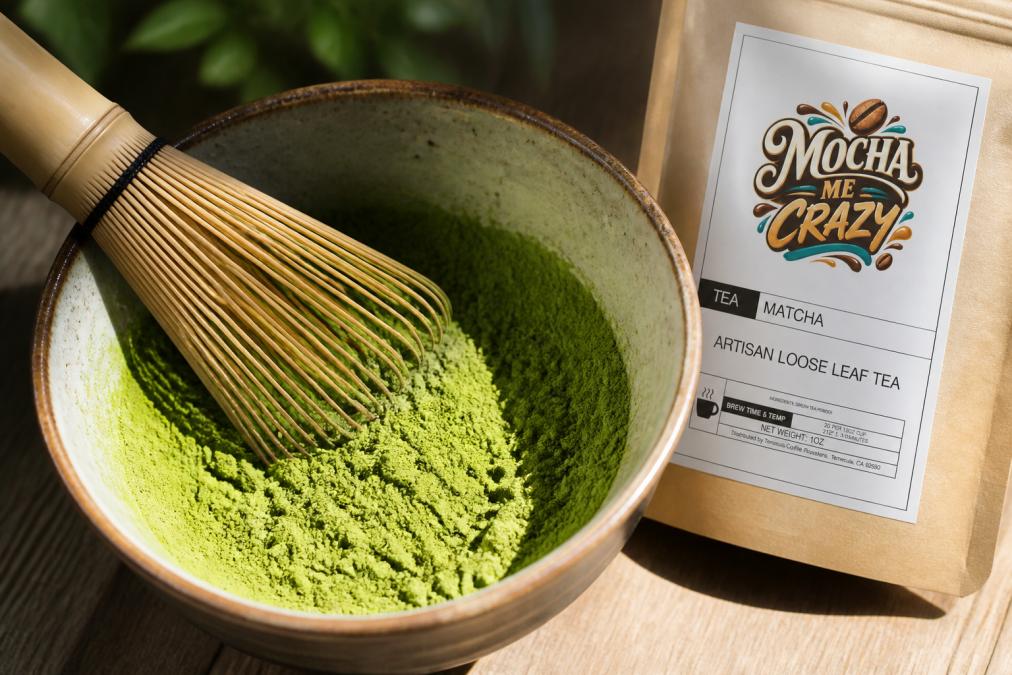
Premium artisan sourced matcha displays a vivid, vibrant green color, not pale yellow or brownish. This bright hue indicates high chlorophyll content and proper shade-growing practices. Color fading suggests age, heat exposure, or improper storage.
Quality matcha's aroma should be fresh, slightly sweet, and grassy, not musty or stale. Fresh artisan sourced matcha has a clean, vegetal aroma hinting at umami character. If it smells off, the quality is compromised.
High-quality matcha powder feels silky and fine, almost like talcum powder. Clumpy or grainy matcha indicates poor stone-grinding or moisture exposure. When whisked, quality matcha dissolves smoothly without leaving undissolved particles.
Quality artisan sourced matcha tastes smooth, naturally sweet, and complex, with subtle umami notes and no bitterness. A single sip reveals whether you're drinking ceremonial-grade artisan matcha or commodity-grade powder.
How to Store Matcha for Maximum Freshness
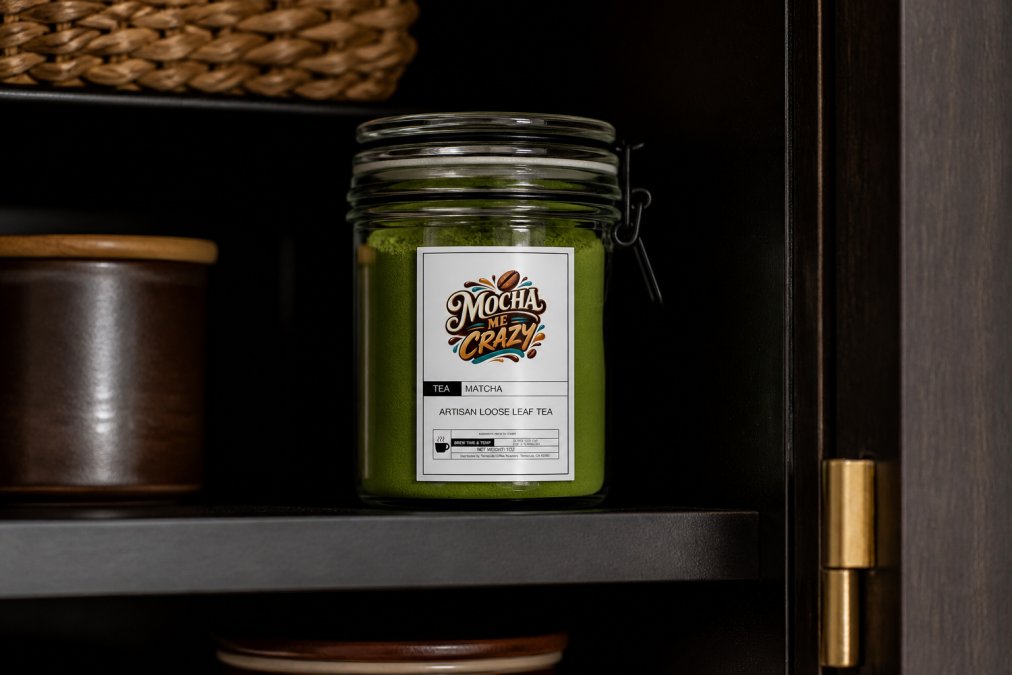
Matcha degrades rapidly when exposed to heat, light, oxygen, and moisture. Proper storage is essential to preserve the antioxidants, L-Theanine, and flavor that make artisan sourced matcha exceptional.
The ideal storage container is airtight, opaque, and kept in a cool location. Glass containers with tight-sealing lids work well. Avoid plastic, which absorbs odors and flavors. Store matcha in a pantry away from direct sunlight, heat sources, and humidity. The refrigerator is acceptable only if the container is completely airtight.
Room temperature storage is acceptable for short-term use (2-4 weeks), but refrigeration extends freshness to 2-3 months. Freezing preserves matcha for up to 6 months, though bring the container to room temperature before opening to prevent condensation.
Most artisan sourced matcha stays fresh for 30-45 days after opening if stored properly. Buy smaller quantities more frequently to ensure you're always drinking matcha at peak freshness, vibrant green, and full of antioxidants.
Sourcing, Terroir, and Cultivation Practices
Artisan sourced matcha begins with location. The finest matcha comes from specific Japanese regions where climate, soil composition, and elevation create ideal growing conditions. Yame, Uji, and Nishio are renowned for producing exceptional shade-grown matcha. Terroir, the interaction between plant, soil, water, and climate, shapes the final product's flavor profile and nutrient density.
Shade-growing is the foundational practice distinguishing premium matcha. For the final 3-4 weeks before harvest, growers cover tea plants with shade cloth, reducing sunlight to 50-70% of normal levels (peer-reviewed research). This stress response triggers increased chlorophyll production and amino acid synthesis, particularly L-Theanine, resulting in deeper green color, higher nutrient concentration, and complex umami flavor.
The first flush, the earliest spring harvest, produces the finest leaves. These young leaves haven't developed the tougher cellular structure of mature leaves, resulting in silky texture and delicate flavor characteristic of ceremonial-grade matcha. Artisan producers hand-select leaves at peak ripeness, often harvesting in early morning when nutrient concentrations are highest.
Processing happens immediately after harvest. Leaves are steamed briefly to stop oxidation, then dried carefully to preserve heat-sensitive compounds. Stone-grinding follows, where dried leaves are pulverized into extremely fine powder using traditional granite mills. This slow, cool grinding maintains the structural integrity of polyphenols, EGCG, and L-Theanine.
Traceability separates artisan sourced matcha from commodity tea. You should know which farm produced your matcha, in which region, and in what year. This transparency ensures genuinely premium product and supports small-scale producers maintaining traditional cultivation and processing methods.
Conclusion
Artisan sourced matcha represents a deliberate choice to prioritize quality, freshness, and nutrient density. The distinction from mass-market alternatives manifests in shade-growing practices that elevate L-Theanine and antioxidant content, careful stone-grinding that preserves heat-sensitive compounds, and traceability connecting you to the specific farm and harvest that produced your tea.
The cognitive benefits, calm focus without jitteriness, combined with cardiovascular and metabolic support make artisan sourced matcha exceptional for professionals and health-conscious consumers. Prioritize ceremonial grade from identifiable sources, verify color and aroma, and commit to proper storage that maintains freshness.
Mocha Me Crazy's Matcha ($23.99) exemplifies this commitment to quality. Refined and lingering, it's crafted specifically for traditional preparation and mindful daily rituals. Get started with Mocha Me Crazy and experience the difference that artisan sourcing, careful processing, and maximum freshness bring to every cup.
Frequently Asked Questions
What happens if I drink matcha tea every day?
Daily matcha consumption supports sustained energy, cognitive focus, and antioxidant intake without the jitters common with coffee. The L-Theanine in artisan sourced matcha promotes calm alertness, while catechins and EGCG provide cumulative anti-inflammatory benefits. Most people tolerate daily matcha well, though sensitivity varies. Start with one serving daily and adjust based on your response. Artisan matcha's superior nutrient profile makes daily use more beneficial than lower-grade alternatives.
What grade of matcha is the healthiest?
Ceremonial-grade matcha delivers the highest nutrient density and antioxidant content. Artisan sourced ceremonial matcha, shade-grown and stone-ground from the first harvest, contains peak levels of L-Theanine, catechins, and chlorophyll. Culinary-grade matcha works for lattes and baking but has lower bioavailability and nutrient concentration. For maximum health benefits, invest in ceremonial-grade artisan matcha from trusted sources with transparent sourcing practices.
Is matcha tea good for weight loss?
Matcha supports weight management by boosting metabolic rate and promoting sustained energy without blood sugar spikes. The combination of caffeine and L-Theanine increases fat oxidation during exercise, while polyphenols support cardio-metabolic health. However, matcha is a supplement to, not a replacement for, balanced nutrition and activity. Artisan sourced matcha's superior nutrient density maximizes these metabolic benefits compared to mass-produced alternatives.
How does artisan sourcing affect the antioxidant levels in matcha?
Artisan sourcing prioritizes shade-growing practices, selective harvesting, and careful stone-grinding that preserve nutrient integrity. Shade-grown matcha increases chlorophyll and amino acid production, boosting antioxidant bioavailability. Industrial processing often involves heat exposure and oxidation that degrade EGCG and catechins. Artisan methods maintain the vibrant green color and nutrient profile, delivering measurably higher antioxidant potency than conventionally processed matcha.
What is the 30/20/10 rule for matcha?
This guideline refers to water temperature and timing: use water at 160-170°F (70-75°C), steep for 20-30 seconds, and use approximately one teaspoon of matcha powder. This precise method prevents bitterness and preserves L-Theanine and catechins. Artisan sourced matcha's superior quality shines with proper preparation, lower-grade powders often taste harsh regardless of technique. Invest in quality matcha and follow this rule for the best flavor and nutrient extraction.
Can I tell if matcha is fresh just by looking at it?
Yes, fresh, artisan sourced matcha displays a vibrant, bright green color with no yellowing or dullness. The powder should be fine and silky, not clumpy or grainy. Stale matcha appears brownish or pale and may smell musty. Aroma is another indicator: quality matcha has a fresh, grassy, slightly sweet umami scent. Purchase from sources with transparent harvest dates and proper storage practices to ensure you're getting genuinely fresh powder.
This article was written using GrandRanker