

Best Artisan Coffee Subscription 2026: Top Picks
Table of Contents
- Why Artisan Coffee Subscriptions Beat Grocery Store Beans
- How to Choose a Coffee Subscription That Fits Your Brew
- Coffee Subscription Frequency and Cost: What to Expect
- Best Overall: Mocha Me Crazy Best Sellers Sample Pack
- Best Single-Origin Coffee Subscription for Explorers
- Best for Espresso and Flavored Coffee Lovers
- Cancellation, Pause, and Packaging: What Competitors Miss
- Conclusion
- Frequently Asked Questions
Last Updated: September 14, 2026
Why Artisan Coffee Subscriptions Beat Grocery Store Beans
An artisan coffee subscription solves the single biggest problem with supermarket coffee: time. By the time a bag reaches a grocery shelf, it has typically spent weeks in a warehouse, and the roast date on the package is often a "best by" window rather than the day the beans hit the drum.
Mocha Me Crazy roasts every order on demand, so the gap between roast and doorstep stays short. The difference shows up in the cup: whole bean coffee loses its peak aromatics within days of roasting, and UC Davis Coffee Center research on coffee freshness and storage explains how oxidation drives that decline.

Grocery beans aren't bad. They're just built for shelf life, not flavor.
How to Choose a Coffee Subscription That Fits Your Brew
Choosing a coffee subscription comes down to three variables: grind, roast, and cadence. Get those right and almost any subscription works; get them wrong and even great beans taste flat.
Match your grind to your brewer first. Pre-ground coffee stales faster than whole bean because more surface area meets oxygen. If you own a grinder, order whole bean and grind right before brewing.
Then match the roast profile to your method. Light and medium roasts reward pour-over and drip; darker roasts hold up in espresso and milk drinks.
Match Your Brew Method to the Right Grind and Roast
| Brew Method | Grind Size | Best Roast Level | Why It Works |
|---|---|---|---|
| Pour-over | Medium-fine | Light to medium | Highlights acidity and tasting notes |
| Drip machine | Medium | Medium | Even extraction on a fixed cycle |
| French press | Coarse | Medium to dark | Full body, no clogged filter |
| Espresso | Fine | Dark | Pressure needs a dense puck |
| Cold brew | Coarse | Medium to dark | Slow steep, low bitterness |
Coffee Subscription Frequency and Cost: What to Expect
Frequency and cost are where most subscriptions either click or annoy you. The right cadence is a math problem, not a personality trait, and you can solve it before you ever enter a credit card.
Start with how much coffee you actually brew. A standard 12-ounce bag holds about 340 grams of roasted beans. At a 1:16 brew ratio, roughly 18 grams of coffee per 8-ounce cup, that bag yields about 18 to 19 cups. Drop to 15 grams per cup for a milder mug and you stretch it to roughly 22 cups; push to 20 grams for a strong pour-over and you're down to about 17.
From there, the cadence falls out of simple division:
| Your habit | Cups per week | 12-oz bag lasts | Sensible cadence |
|---|---|---|---|
| One cup a day | 7 | ~2.5 weeks | Every 2 weeks |
| Two cups a day | 14 | ~9 days | Every 1-2 weeks |
| Weekend only | 2-3 | ~6 weeks | Monthly |
| Two-cup household | 28 | ~4-5 days | Weekly |
A common pattern is to start one step slower than you think you need. Coffee keeps best in the first two weeks post-roast, so a bag that arrives before you've finished the last one stacks up faster than most people expect. If you're between cadences, choose the slower one and add a bag rather than choosing the faster one and letting beans fade.
Cost-Per-Cup Breakdown for Home Brewers
Cost-per-cup is the honest way to compare subscriptions against grocery store beans, and it's the number most guides skip. The formula is simple: bag price ÷ cups per bag, then add your filter and water costs.
Worked examples at standard strength (18 g per cup, ~18-19 cups per 12-ounce bag):
- $18 bag → about $0.95-$1.00 per cup
- $24.99 bag → about $1.32-$1.39 per cup
- $30 bag → about $1.58-$1.67 per cup
Add roughly $0.02-$0.05 per cup for paper filters and a few cents for the water and energy to heat it. Call it a nickel of overhead on top of the bean cost.
Now compare that to the alternatives. A cafe drip coffee typically runs several dollars a cup, and a milk drink pushes higher still. Premium grocery beans look cheaper on the shelf, but the effective cost is worse than the sticker suggests: if you pour out the last third of a bag because it's gone flat, a $14 bag of stale beans can cost more per drinkable cup than a $25 bag of fresh-roasted coffee. The USDA Economic Research Service food price data tracks how food-away-from-home costs have climbed faster than groceries, which is the macro version of the same math, brewing at home wins on cost as long as the beans are fresh enough to finish.
The takeaway: don't compare bag prices. Compare cost per cup you actually enjoy drinking.
Best Overall: Mocha Me Crazy Best Sellers Sample Pack
The Mocha Me Crazy Best Sellers Sample Pack is the strongest starting point for most people because it removes the guesswork. Six 2-ounce packs at $26.99 let you test dark, medium, and single-origin profiles before committing to a full bag.
You get the 6Bean Blend (dark, built for espresso), Breakfast Blend (smooth medium from South America), plus Peru, Mexico, and Bali single origins.
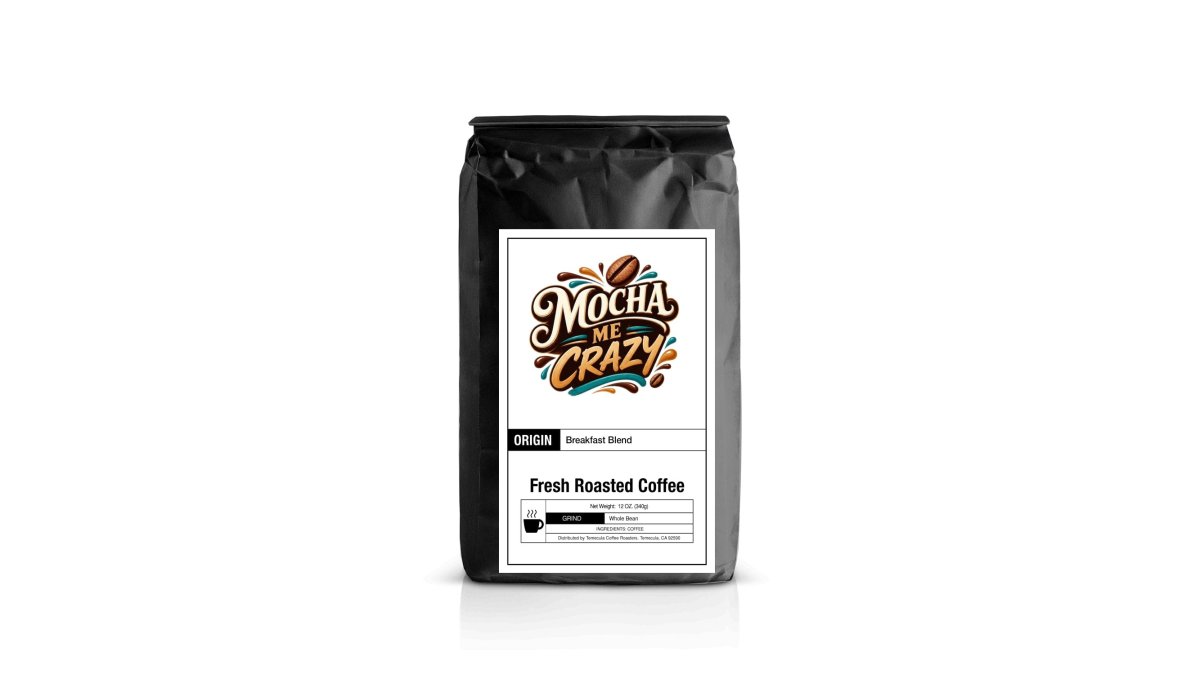
Pros: Roasted to order, six distinct profiles, no inventory commitment. Cons: 2-ounce packs suit tasting, not a full week of brewing.
Best Single-Origin Coffee Subscription for Explorers
The Mocha Me Crazy Single Origin Favorites Sample Pack is the pick for drinkers who chase tasting notes and sourcing transparency. Six 2-ounce packs at $26.99 span Brazil Santos, Colombia, Ethiopia, and other single origins.

Each origin carries its own flavor profile: Colombia leans dried orange, berry, and chocolate; Ethiopia Natural brings milk chocolate, fruity, and caramel notes from Sidama Zone heirloom cultivars; That range is what a single-origin coffee subscription should deliver: distinct cups, not variations on one blend.
Where it falls short: if you already know you want one origin forever, buy that bag directly instead of sampling.
Best for Espresso and Flavored Coffee Lovers
Espresso drinkers and flavored coffee fans usually get ignored by subscription services. The Mocha Me Crazy Flavored Coffees Sample Pack covers both, with six 2-ounce packs at $26.99.

French Vanilla, Hazelnut, Cinnabun, Caramel, Mocha, and Cinnamon Hazelnut all start as specialty grade single-origin coffee roasted in small batches to a smooth medium. For straight espresso, the 6Bean Blend is a dark roast blend.
The tradeoff is real: flavored coffees mask origin character, so skip this pack if you want to taste the terroir.
Cancellation, Pause, and Packaging: What Competitors Miss
Cancellation terms and packaging get buried in fine print, and they matter more than most buyers expect. A subscription you can't pause becomes a subscription you resent, and a bag you can't recycle becomes a bag you feel guilty about. Most "best subscription" guides skip both. Here's the version they leave out.
The subscription-trap checklist
Before you commit to any recurring plan, verify four things in writing:
- Self-serve pause. Can you skip a shipment from your account dashboard, or do you have to email support and wait? Self-serve pause is the single best predictor of whether a subscription stays pleasant.
- Cancellation path. Is cancel a button, or is it a phone call during business hours? A common pattern is a "contact us to cancel" flow that exists specifically to slow you down.
- Billing trigger. Does the card get charged when the order ships, or on a fixed calendar date regardless of whether you've paused? Fixed-date billing is how people end up with three unopened bags.
- Skip vs. pause. Skipping one shipment and pausing the whole plan are different actions. Know which one you're doing, and confirm the next charge date after you do it.
One-time sample packs sidestep the entire problem. If a roaster sells a fixed sampler with no recurring billing, you get the tasting experience without the lock-in, and you can decide whether a full subscription is worth it after you've actually tasted the coffee.
Packaging: what actually happens to the bag
Packaging is the other gap. Most roasters ship in foil-lined or multi-material bags, and the EPA guidance on reducing waste and recycling notes that flexible plastic packaging remains one of the harder streams to process, the foil layer and the plastic layer can't be separated at a typical curbside facility, so the bag usually goes to landfill even when it's labeled "recyclable."
What to look for instead:
- Compostable bags (often made from plant-based films) break down in industrial composting, but most curbside programs don't accept them, you need a commercial compost drop-off.
- Recyclable mono-material bags are a real improvement over foil-lined laminates, but only if your local program actually takes them.
- Reusable tins or jars eliminate the per-shipment bag entirely, at the cost of higher upfront price and return shipping.
- Smaller packs mean less coffee per shipment but more packaging per ounce. A 2-ounce sampler uses proportionally more bag than a 12-ounce bag, so once you know your favorite, switch to full-size bags to cut packaging per cup.
The honest trade-off: no packaging format is perfect, and the best choice depends on what your local waste stream actually accepts. Check your municipality's rules before you assume "compostable" or "recyclable" means it gets processed near you.
Conclusion
The hard part isn't finding good beans. It's finding a roaster that ships them fresh, lets you sample before committing, and doesn't trap you in a subscription you can't pause.
Mocha Me Crazy roasts every order on demand, sources carefully selected beans, and keeps ordering simple with no inventory to manage. Start with the Best Sellers Sample Pack, find your roast profile, then move to full bags of the origin that wins.
Get started with Mocha Me Crazy and taste what fresh-roasted coffee actually delivers.
Frequently Asked Questions
What is the best high-end coffee subscription for 2026?
The best high-end artisan coffee subscription depends on your brewing style and flavor preferences. For a well-rounded start, the Best Sellers Sample Pack from Mocha Me Crazy at $26.99 lets you try six different coffees, including dark roast blends and single origins like Peru and Bali. If you prefer bright, fruity notes, the Single Origin Favorites Sample Pack highlights Ethiopia Natural and Colombia. Both options ship roasted to order, so you get maximum freshness without committing to a large bag before you know what you love.
How do I choose the right coffee subscription for my brewing style?
Start by matching the roast and grind to your equipment. Espresso machines work best with a dark or medium-dark roast like the 6Bean Blend, while pour-over and drip brewers shine with medium roasts such as Breakfast Blend or House Blend. If you use a French press, a coarser grind and medium roast like Brazil Santos gives you a smooth, full-bodied cup. Always order whole bean if you have a grinder, and choose ground only if you brew immediately. Sample packs are the easiest way to test what fits your setup.
Is a coffee subscription worth the cost compared to grocery store beans?
Artisan coffee subscriptions cost more per bag, but the difference shows up in freshness and flavor. Grocery store beans often sit on shelves for weeks or months after roasting, which dulls the tasting notes and aroma. A roasted-to-order subscription like Mocha Me Crazy ships within days of roasting, so you get the full flavor profile the roaster intended. When you break it down by cost per cup, a $24.99 bag of single-origin coffee often works out to less than $1.50 per serving, which is competitive with many cafe drinks.
How flexible are artisan coffee subscriptions if I need to pause or cancel?
Flexibility varies by roaster, so check the policy before you commit. Flexibility varies by roaster, so check the policy before you commit. Look for a subscription model that lets you change your delivery cadence online in a few clicks, and confirm there is no minimum commitment. That way you are never stuck paying for coffee you cannot finish.
What is the environmental impact of coffee subscription packaging?
Coffee subscription packaging has a real environmental footprint, but many artisan roasters are reducing it. Look for bags that are recyclable, compostable, or made with a lower plastic content. Some companies ship in paper mailers instead of boxes and consolidate orders to cut shipping emissions. Mocha Me Crazy roasts to order. If packaging matters to you, ask the roaster directly about their bag materials and shipping practices before you subscribe.