

Is Expensive Coffee Worth the Price? A Cost Breakdown
Table of Contents
- What Actually Determines Coffee Price?
- Specialty Coffee vs Supermarket Coffee: Where the Money Goes
- How to Tell if Coffee Beans Are Fresh (Before You Buy)
- The Benefits of Freshly Roasted Coffee You Can Actually Taste
- The Real Cost Per Cup: Does Expensive Coffee Break the Bank?
- When the Price Jump Isn't Worth It: Diminishing Returns
- Our Verdict: Is Expensive Coffee Worth It for Your Routine?
- Frequently Asked Questions
Last Updated: September 9, 2026
What Actually Determines Coffee Price?
Coffee pricing reflects the entire supply chain, from altitude to your grinder. The specialty market operates on a different economic model than the commodity market, where beans trade like wheat or corn. The gap between a $5 bag and a $25 bag comes down to deliberate choices, not arbitrary markup.
The most significant cost drivers include cultivation altitude, processing method, and labor practices. High-altitude beans grow slower, developing more complex sugars and a denser bean structure prized by specialty buyers. These farms often use washed or natural processing methods that require more water, more labor, and more attention than the mass-market approach of mechanically stripping and sun-baking beans on concrete.
The price also funds transparency. Direct trade and fair trade relationships mean farmers receive a premium for quality, incentivizing better harvesting and sorting. When you buy a costlier bag, you're paying for a system that rewards the grower, not just the name on the label.
Specialty Coffee vs Supermarket Coffee: Where the Money Goes
Specialty coffee is defined by measurable quality standards, typically scoring 80 points or higher on the Specialty Coffee Association's 100-point cupping scale (sca.coffee). Supermarket coffee rarely meets this bar because the beans are often commodity grade, roasted months in advance, and ground to a powder that goes stale within days. But the real difference is where your dollar goes.
The Price Breakdown: What You Are Actually Paying For
A typical $8 bag of supermarket coffee allocates its cost differently than a $25 specialty bag. Here is a rough breakdown based on industry averages:
| Cost Component | Supermarket Bag ($8) | Specialty Bag ($25) |
|---|---|---|
| Green bean cost to roaster | $1.50 - $2.00 | $6.00 - $10.00 |
| Roasting and packaging | $1.50 | $3.00 - $4.00 |
| Marketing and advertising | $2.00 - $3.00 | $0.50 - $1.00 |
| Retailer margin | $2.00 - $3.00 | $5.00 - $7.00 |
| Farmer premium (direct/fair trade) | $0.00 - $0.50 | $2.00 - $4.00 |
These are approximate ranges, but the pattern holds: commodity coffee spends heavily on shelf placement, brand recognition, and packaging that preserves a stale product. Specialty coffee spends on the raw material and the people who grow it.
The Quality Score Gap: What 80+ Points Actually Means
The SCA cupping protocol scores coffee on ten attributes. A score of 80 to 84 is 'specialty grade', clean, free of defects, with at least one distinctive positive attribute. A score of 85 to 89 is 'excellent', complex, with pronounced origin characteristics. A score of 90 or above is 'outstanding', rare, often from a single micro-lot.
Supermarket coffee typically scores in the 70s, below the specialty threshold. The difference between a 75 and an 85 is the difference between a cup that tastes generically 'coffee-like' and one that tastes like a specific place, the blueberry notes of a natural Ethiopian, the grapefruit acidity of a Kenyan AA, the chocolate and hazelnut of a Guatemalan.
The Ethical Sourcing Component
When you buy a $25 specialty bag, a portion of that price funds transparency. Direct trade relationships, where roasters buy directly from farms or cooperatives, typically pay 2 to 4 times the commodity price for green beans. Fair Trade certification guarantees a minimum price per pound, but specialty roasters often go beyond that minimum to secure the best lots.
This is not charity; it is an incentive structure. Farmers who receive a premium for quality invest in better harvesting, sorting, and processing, which shows up in the cup as cleaner flavors and fewer defects. When you buy a cheap supermarket bag, you are often paying into a system where the farmer receives less than $1 per pound while the brand spends millions on advertising.
How to Tell the Difference Without a Cupping Lab
You do not need a professional palate to spot the gap. Here is a DIY blind taste test you can run this weekend:
- Buy one bag of supermarket coffee (any brand, pre-ground is fine) and one bag of fresh specialty coffee from a local roaster or an online roaster that ships within days of roasting.
- Grind both to the same setting (if you have a grinder) or use the pre-ground supermarket coffee as-is.
- Brew both using the same method, water temperature, and ratio. Use identical mugs.
- Have someone else pour the coffee so you do not know which is which.
- Taste them side by side. Note the aroma, acidity, body, and finish.
Most people can identify the specialty coffee within the first sip, not because they are experts, but because the difference in freshness and quality is that pronounced. The supermarket coffee will taste flat, bitter, or cardboard-like by comparison. If you cannot tell the difference, your brewing method may be the limiting factor.
The Verdict on Where the Money Goes
Your supermarket dollar funds logistics, shelf-stable packaging, and advertising. Your specialty dollar funds the bean, the roaster's craft, and the speed of delivery. One is engineered for shelf life; the other is engineered for flavor. The price gap reflects where the money flows in the supply chain.
How to Tell if Coffee Beans Are Fresh (Before You Buy)
The single most reliable indicator of freshness is the roast date printed on the bag. If there is no roast date, the coffee is likely already past its prime. Whole beans begin releasing carbon dioxide after roasting, and the aromatic compounds that create flavor start degrading immediately, which is why the National Coffee Association recommends using beans within a few weeks of roasting.
Fresh beans have a distinct aroma that fills the bag when you open it. They should feel oily but not greasy, and they should crack audibly when you bite one in half. Stale beans smell flat, almost like cardboard, and they crush rather than crack.
Look for a roaster that ships within days of roasting, not weeks. A roast date within the last 7 to 14 days is ideal. Anything older than a month is a compromise, and pre-ground coffee from a supermarket shelf is typically weeks or months past its roast date by the time you buy it.
The Benefits of Freshly Roasted Coffee You Can Actually Taste
Freshly roasted coffee preserves the volatile aromatic compounds, over 800 of them, including the oils that carry notes of chocolate, fruit, and spice, that begin dissipating within hours of roasting. That is why a bag roasted yesterday tastes dramatically different from one roasted three weeks ago. But those benefits only reach your cup if your brewing equipment can extract them. The gap between expensive beans and a mediocre cup is almost always a gear problem, not a bean problem.
Why Your Grinder Is the Real Bottleneck
A blade grinder chops beans into uneven shards, producing a mix of fine dust and coarse chunks. When you brew, the fine particles over-extract (bitter) while the coarse pieces under-extract (sour). The result is a muddy, harsh cup that flattens the delicate acidity and sweetness that freshness is supposed to deliver. A $25 bag of single-origin coffee run through a blade grinder will taste worse than a $12 bag run through a decent burr grinder.
A burr grinder, even an entry-level model in the $80 to $150 range, crushes beans between two abrasive surfaces to a uniform particle size. That consistency allows the volatile compounds in fresh beans to dissolve evenly into your cup. The Specialty Coffee Association's home brewing standards call for a grind distribution where the majority of particles fall within a narrow micron range; blade grinders cannot achieve this, burr grinders can.
The Equipment Threshold for Tasting Freshness
If you are brewing with a blade grinder or a pre-ground bag, freshness is largely wasted. The flavor compounds you are paying for never make it into the cup. Here is the practical framework:
- Minimum viable setup: A burr grinder (hand or electric) and a pour-over cone or a French press. Total cost: $60 to $120. This is enough to taste the difference between a 7-day-old roast and a 30-day-old roast.
- Better setup: A gooseneck kettle with temperature control and a scale. Total cost: $100 to $180. This gives you control over water temperature and brew ratio, which are the two variables that most affect extraction after grind size.
- Optimal setup: A quality espresso machine or a high-end drip brewer with a pre-infusion cycle. Total cost: $300 to $1,500. At this level, you can taste the origin characteristics, the citrus of a Kenyan AA, the berry notes of a natural Ethiopian, that define specialty coffee.
The Freshness-Equipment Interaction
Fresh beans are more forgiving than stale beans. The CO2 released during the first week after roasting creates a natural barrier that slows oxidation and gives you a wider window for extraction. Stale beans have lost that CO2, so they extract faster and become bitter more easily. This is why home baristas often blame their technique when the real culprit is bean age.
A common pattern among home brewers: they buy a premium bag, brew it with a blade grinder and a $20 drip machine, and conclude that expensive coffee is a scam. The bean was never the problem. The equipment was the bottleneck. Before you spend $30 on a rare micro-lot, spend $100 on a burr grinder. That single purchase will do more for your cup than any bean upgrade.
A Practical Freshness Test You Can Do at Home
Beyond the roast date, here is a simple side-by-side you can run this week: buy a bag roasted within the last 7 days and a bag roasted 6 to 8 weeks ago (many roasters sell discounted 'stale' bags). Grind both to the same setting, brew with the same water temperature and ratio, and taste them blind. The fresh bag should show more aroma, a brighter acidity, and a cleaner finish. If you cannot tell the difference, your grinder is the limiting factor, not your palate.
This is the same logic that drives the specialty coffee industry's cupping protocols, where freshness is controlled to within hours, not weeks. The gap between a 7-day-old roast and a 30-day-old roast is measurable in the cup, but only if the rest of your chain, grinder, water, brew method, is up to the task.
The Real Cost Per Cup: Does Expensive Coffee Break the Bank?
Here is where the math changes the conversation. A standard 12-ounce bag of coffee yields roughly 30 to 35 cups, depending on your brew ratio. A premium bag priced at $24.99 breaks down to about 75 cents per cup. A commodity bag at $8 breaks down to about 25 cents per cup.
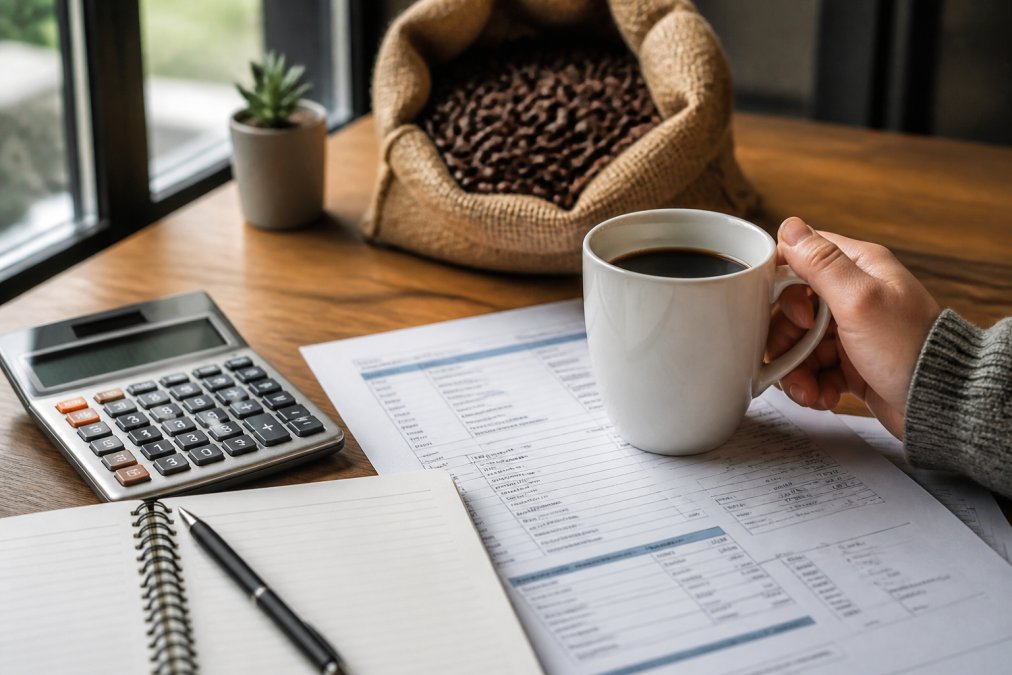
The difference is 50 cents per cup, which is less than the cost of a single pod for a capsule machine. Compared to the $5 to $7 you would spend at a cafe, brewing premium beans at home is still a fraction of the price. The question is not whether you can afford better coffee, it is whether the daily upgrade is worth less than the price of a pack of gum.
| Coffee Option | Cost Per Bag | Cups Per Bag | Cost Per Cup |
|---|---|---|---|
| Supermarket commodity | $8.00 | 30 | $0.27 |
| Premium specialty | $24.99 | 30 | $0.83 |
| Cafe drip coffee | $3.50 | 1 | $3.50 |
When you frame it as a cost-per-cup breakdown, the premium for exceptional coffee becomes almost trivial. The real investment is not the beans, it is the brewing equipment. A decent burr grinder and a pour-over kettle will cost more than the coffee itself, but they are a one-time purchase that pays off within a few months of home brewing.
When the Price Jump Isn't Worth It: Diminishing Returns
There is a point where paying more stops delivering proportional flavor gains. A $10 bag of fresh specialty coffee will crush a $5 bag of commodity coffee. A $25 bag of single-origin micro-lot coffee is better than the $10 bag, but the improvement is smaller. This is the diminishing returns curve, and understanding it prevents you from overspending.
The jump from commodity to fresh specialty is the biggest flavor leap you will ever make. The jump from a $15 bag to a $30 bag is real but subtle, noticeable mainly to experienced palates. If you are new to specialty coffee, start with a solid single origin in the $20 range rather than chasing a $50 rare lot.
Where the price jump is genuinely not worth it is when you lack the equipment to taste the difference. A blade grinder and a cheap drip machine will flatten the nuances of an exceptional bean. Invest in a burr grinder and a brew method that gives you control over extraction before you spend top dollar on beans.
Our Verdict: Is Expensive Coffee Worth It for Your Routine?
For most home brewers, the answer is a clear yes, but only when the price buys genuine freshness. Expensive coffee is worth the price when it is roasted to order, sourced from farms with transparent practices, and delivered within days of roasting. It is not worth the price when you are paying for a brand name on a bag that has sat on a shelf for a month.
The specialty coffee market rewards quality at every level, from the farmer to the roaster to your morning cup. If you want to taste the difference without committing to a full bag, sample packs are the smart way to explore. [Our Best Sellers Sample Pack](https://mochamecrazy.com/products/best-sellers-sample-pack-6bean-cowboy-breakfast-peru-mexico-bali) includes six 2-ounce portions of our most popular blends for $26.99, letting you compare flavor profiles before you invest in a full order.

For those ready to commit, a single origin like our Ethiopia Natural at $24.99 delivers the fruity, caramel-forward profile that defines what freshly roasted coffee can be. Every order is roasted on demand, which means the bag you receive was roasted within 24 hours of shipping, not weeks before it reached a warehouse.

The decision to spend more on coffee comes down to whether you value the ritual and the flavor. The numbers show the cost per cup is minimal, and the sensory experience is transformative. Mocha Me Crazy roasts every order to order and ships fast so the freshness reaches your cup, not a shelf. If your morning coffee has become routine, this is the upgrade that makes it a ritual again. Get started with Mocha Me Crazy and taste what freshly roasted coffee is supposed to be.
Frequently Asked Questions
Is there a noticeable taste difference in premium coffee beans?
Yes, but it depends on your palate and brewing method. Expensive coffee from high-altitude farms offers distinct tasting notes like jasmine, berry, or milk chocolate that commodity beans lack. The difference is most obvious when you brew with a method that highlights clarity, like a pour-over. If you drink coffee with heavy milk and sugar, the gap narrows. That's why trying a sample pack before committing is a smart way to test whether you can taste the difference.
How can you tell if coffee beans are fresh before buying?
Check the roast date printed on the bag, not just the best-by date. Coffee is freshest within 2 to 4 weeks of roasting. Whole beans should look oily for dark roasts and matte for light roasts, with no visible cracks. When you open the bag, you should hear a sharp hiss from degassing and smell strong aroma. Beans roasted to order, like those from Mocha Me Crazy, arrive days after roasting rather than months later.
Does expensive coffee cost more per cup than supermarket brands?
Surprisingly, the gap is smaller than you think. A 12-ounce bag of specialty coffee at $24.99 makes roughly 30 to 35 cups, costing about $0.75 to $0.83 per cup. A $8 supermarket bag makes the same volume at roughly $0.23 to $0.27 per cup. That's a difference of about $0.50 to $0.60 per cup, or roughly the price of a cheap candy bar, for a noticeably better cup of coffee.