

Matcha vs Green Tea: Key Differences Explained
Table of Contents
- Matcha vs Green Tea: What Sets Them Apart
- How Shade-Growing and Stone-Grinding Change Everything
- Matcha vs Green Tea Caffeine Content: What You Actually Feel
- Antioxidants, EGCG, and Nutrient Bioavailability
- Is Matcha Tea Good for Weight Loss? What the Evidence Shows
- How to Prepare Ceremonial Grade Matcha at Home
- Side Effects, Grading, and Environmental Impact
- Conclusion: Which Cup Belongs in Your Ritual?
- Frequently Asked Questions
Last Updated: October 3, 2026
Matcha vs Green Tea: What Sets Them Apart
The difference between matcha and green tea comes down to how the leaf is grown and consumed: matcha is shade-grown, stone-ground into a powder you drink whole, while standard green tea is steeped as loose leaf and discarded after brewing. Anyone asking what is the difference between matcha and green tea is really asking why one cup feels calm and the other feels sharp. At Mocha Me Crazy, we source artisan teas, and the production gap explains nearly every difference in taste, caffeine, and antioxidants.
One Plant, Two Very Different Cups
Matcha is a powdered green tea made by grinding shade-grown tencha leaves into a fine dust that you whisk into water and consume entirely. Green tea is the same Camellia sinensis plant, but the leaves are steamed, rolled, and dried whole, then steeped so only the water-soluble compounds reach your cup. That single distinction drives everything else.
Quick Comparison Table
| Feature | Matcha | Green Tea |
|---|---|---|
| Form | Stone-ground powder | Loose leaf or tea bag |
| Growing | Shade-grown (tencha) | Sun-grown |
| Consumption | Whole leaf | Steeped, leaves discarded |
| Caffeine (per 8 oz) | Higher, varies by grade | Moderate, varies by leaf |
| Flavor | Umami, vegetal notes | Grassy, lighter body |
| Best For | Ritual, sustained focus | Everyday sipping |
How Shade-Growing and Stone-Grinding Change Everything
Shade-growing is the reason matcha tastes like matcha. Farmers cover the tea plants for roughly three to four weeks before harvest, which slows growth and floods the leaves with chlorophyll and amino acids. The result is that deep green color and a savory umami note you rarely get from a standard steeped cup.
From Tencha to Powder
After harvest, the shaded leaves are steamed to halt oxidation, dried, and stripped of stems and veins to become tencha. Those leaves are then ground slowly on a stone mill into a powder so fine it suspends in water, so nothing is left behind in the strainer.
Matcha vs Green Tea Caffeine Content: What You Actually Feel
Matcha generally delivers more caffeine per serving than steeped green tea because you consume the whole leaf rather than an infusion. An 8-ounce cup of steeped green tea typically lands around 25 to 40 mg of caffeine, while a traditional 2-ounce serving of matcha whisked into 6 to 8 ounces of water commonly falls in the 60 to 70 mg range, with culinary grades and heavier scoops pushing higher. For context, an 8-ounce brewed coffee usually runs about 95 to 165 mg. Treat these as ranges: grade, leaf age, water temperature, steep time, and scoop size all move the number.
| Drink (8 oz) | Typical Caffeine | Notes |
|---|---|---|
| Steeped green tea | ~25-40 mg | Varies with leaf grade and steep time |
| Matcha (2 oz powder, 8 oz water) | ~60-70 mg | Whole leaf; culinary grades trend higher |
| Brewed coffee | ~95-165 mg | Reference point only |
L-Theanine and the Calm-Alert Effect
What separates matcha from a comparable dose of caffeine in coffee is not the milligrams, it is the amino acid L-theanine. Shade-growing, the same step that produces matcha's color and umami, also concentrates L-theanine in the leaf. Because you drink the whole leaf, matcha delivers both caffeine and L-theanine in the same sip.
Caffeine blocks adenosine, the molecule that builds up through the day and makes you feel sleepy. L-theanine is associated with increased alpha-wave activity in the brain, a pattern linked to relaxed but alert wakefulness (pubmed.ncbi.nlm.nih.gov). When the two arrive together, many drinkers describe a smoother, steadier focus, less of the sharp spike and mid-morning crash coffee can produce. Steeped green tea contains L-theanine too, but the infusion pulls out less of it, so the effect is milder.
This is the practical reason matcha has become a popular coffee substitute for people who want alertness without the jitters. It is also why the caffeine number alone does not tell you how a cup will feel.
How to Dial In Your Dose
If you are sensitive to caffeine, start with roughly half a teaspoon and see how your body responds before making it a daily habit. Drinking matcha earlier in the day, and avoiding it within six to eight hours of bedtime, protects sleep. Pairing it with food softens the stomach impact of the caffeine and tannins.
Why the Number on the Label Rarely Tells the Whole Story
Caffeine content in tea is not standardized, and matcha is especially variable. A ceremonial grade milled from young spring leaves tastes sweeter and often carries less caffeine per gram than a culinary grade built from later flushes. Water temperature matters too: near-boiling water extracts caffeine faster than water in the 160-175°F range. If you are tracking intake for medical reasons, assume the range above and adjust based on how you actually feel rather than a single printed figure.
Antioxidants, EGCG, and Nutrient Bioavailability
Matcha wins on antioxidant density because you ingest the entire leaf, including compounds that stay locked in the leaf when you steep and discard it. The headline catechin is epigallocatechin gallate, or EGCG, and whole-leaf consumption means a cup of matcha can deliver more of it than a steeped cup of the same plant (pubmed.ncbi.nlm.nih.gov).
Is Matcha Tea Good for Weight Loss? What the Evidence Shows
Is matcha tea good for weight loss? The honest answer is that it may support a healthy routine, but no tea burns fat on its own. Catechins and caffeine are the two compounds most often studied for a modest effect on metabolic rate, and matcha contains both in whole-leaf form. The people who see results pair it with consistent habits: balanced meals, regular movement, and enough sleep. Use matcha as a replacement for a sugary drink, not as a supplement to a poor diet.
How to Prepare Ceremonial Grade Matcha at Home
Ceremonial grade matcha is meant for whisking into hot water and drinking straight. The goal is a smooth, frothy cup with no clumps and no bitterness.
- Sift one to two scoops of matcha through a fine sieve to break up clumps.
- Add a small splash of hot water, well below boiling, and whisk into a paste.
- Pour in the rest of your water, around 2 to 3 ounces total.
- Whisk in a fast W motion until a fine foam forms on top.
- Drink immediately, while the foam and aroma are at their peak.
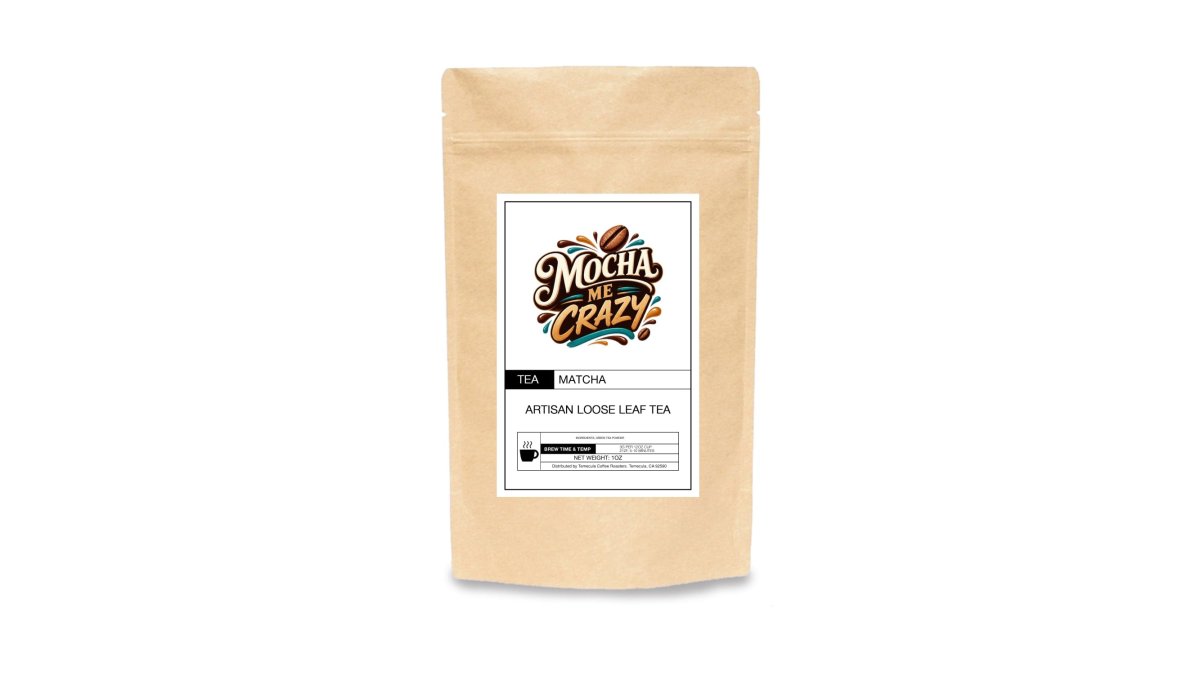
For a traditional cup, our Matcha is milled for exactly this kind of preparation. If you want the roasted, toasty side of green tea powder instead, our Hojicha brews smooth with notes of toasted cereal.


Side Effects, Grading, and Environmental Impact
Most matcha vs green tea articles stop at flavor and caffeine. The three topics below are the ones readers actually search for afterward.
Grading Systems: Why Prices Swing So Widely
"Ceremonial" and "culinary" are not regulated terms the way "organic" is, but the industry uses them consistently enough to be useful. The difference comes down to harvest timing and handling.
- Ceremonial grade is milled from the first spring harvest of shade-grown tencha, using only the youngest leaves with stems and veins removed. It is sweet, low in bitterness, and intended to be whisked into hot water and drunk straight. It commands the highest price because the harvest window is short and the yield per plant is small.
- Culinary grade comes from later harvests and often includes more mature leaf material. It is stronger, more bitter, and more astringent, exactly what you want when matcha competes with milk, sugar, or oven heat. It costs less because supply is larger and the flavor is more forgiving.
Side Effects and Who Should Be Cautious
Matcha is concentrated because you consume the whole leaf, and that cuts both ways.
- Caffeine load.
- Tannins and stomach sensitivity.
- Iron absorption.
- Heavy metals.
Environmental Impact: Whole Leaf vs. Discarded Leaf
If you want a lighter steeped option, our Jasmine pairs green tea with fresh jasmine blossoms, and our Moroccan Mint is built for a vibrant cup hot or over ice.

Conclusion: Which Cup Belongs in Your Ritual?
The hardest part is not understanding matcha vs green tea; it is finding a source fresh enough to make either one worth drinking.
Mocha Me Crazy roasts to order and sources artisan teas so every cup arrives at peak flavor, with fast delivery and a simple ordering process. Start with our ceremonial-grade Matcha for a focused morning ritual, or branch out with Jasmine and Moroccan Mint if you prefer a lighter steep. Get started with Mocha Me Crazy and make your daily cup anything but boring.
Frequently Asked Questions
Which is better to drink, matcha or green tea?
Neither wins outright. Matcha delivers more caffeine, antioxidants, and L-theanine per cup because you consume the whole leaf, while loose-leaf green tea is lighter, cheaper per serving, and easier to drink throughout the day. If you want a sustained calm-alert effect, matcha fits better. If you want a gentle, hydrating cup you can sip all afternoon, green tea does the job.
Is matcha just powdered green tea?
Not exactly. Matcha comes from Camellia sinensis plants that are shade-grown for weeks before harvest, which boosts chlorophyll and L-theanine. The leaves are steamed, dried into tencha, then stone-ground into a fine powder. Regular green tea is simply dried and rolled loose leaf. The shade-growing step is what separates matcha from standard powdered tea.
Does matcha have more caffeine than regular green tea?
Yes, per serving. One teaspoon of matcha powder contains roughly 60 to 70 mg of caffeine, while a cup brewed from loose green tea leaves lands closer to 25 to 30 mg. The gap exists because you drink the entire ground leaf with matcha, whereas steeping green tea extracts only part of the caffeine into the water.
Is matcha tea good for weight loss?
Matcha can support weight management as part of a balanced diet, but it is not a shortcut. The combination of EGCG catechins and caffeine may nudge metabolic rate slightly, and the L-theanine smooths out the energy curve so you are less likely to crash and snack. Real results come from consistent habits, not from one beverage.
What should you not mix matcha with?
Skip boiling water, which scorches the powder and turns it bitter. Avoid pairing matcha with large amounts of dairy if you want the catechins fully absorbed, since milk proteins can bind to them. Also steer clear of mixing it with high-sugar syrups, which undercut the flavor and add empty calories.