

7 Signs of High Quality Green Tea (2026 Guide)
Table of Contents
- What Makes Green Tea High Quality?
- 1. Leaf Appearance and Integrity
- 2. Aroma and Fragrance Profile
- 3. Infusion Color and Clarity
- 4. Flavor: Bitterness vs. Sweetness
- The Best Green Tea Brewing Temperature
- How to Store Loose Leaf Tea for Maximum Freshness
- Is Matcha Tea Good for Weight Loss?
- Frequently Asked Questions
Last Updated: September 8, 2026
Green tea is one of the most popular beverages in the world, but most of what fills grocery store shelves is stale, broken, and barely resembles what the plant is supposed to taste like. Knowing the signs of high quality green tea separates a dull, bitter cup from one that delivers the grassy sweetness and calm energy that makes this drink legendary. At Mocha Me Crazy, we have a direct stake in helping you recognize what fresh, properly handled tea actually looks like. This guide covers the visual, aromatic, and flavor cues that matter, plus the brewing and storage habits that protect your investment.
What Makes Green Tea High Quality?
High quality green tea is not a matter of opinion; it is a measurable outcome of the leaf's chemistry and the processor's skill in preserving it. The two most objective markers are the ratio of L-theanine to caffeine and the concentration of catechins, specifically epigallocatechin gallate (EGCG).
L-theanine is the amino acid responsible for the savory umami flavor and the calm, focused energy green tea is known for. Caffeine provides the stimulant lift. In a high-quality leaf, L-theanine content is high relative to caffeine, which produces a smooth, non-jittery experience. In lower-grade or poorly processed leaves, the ratio flips, and the cup tastes flat or harshly bitter. This ratio is not fixed; it shifts based on harvest timing and shading practices. Japanese growers who shade their plants for several weeks before harvest, a technique used for gyokuro and matcha, force the plant to produce significantly more L-theanine while suppressing catechin accumulation, creating a sweeter, more complex leaf.

Catechin levels, particularly EGCG, are the other side of the coin. These polyphenols provide the slight astringency and the documented antioxidant benefits of green tea. The processing method determines how much of these catechins survive. Green tea is defined by the near-total prevention of oxidation. The moment leaves are picked, enzymes begin to break down the leaf's own polyphenols. The processor halts this by applying heat, either through pan-firing, as is common in China, or steaming, as is standard in Japan. Steaming, which lasts only 15 to 20 seconds, inactivates the enzymes quickly and preserves a higher concentration of catechins and a brighter, more vegetal flavor. Pan-firing takes longer and drives off more moisture, resulting in a slightly lower catechin profile but a toastier, nuttier character. Both are valid, but the choice is a trade-off between preserving the most delicate compounds and creating a more robust flavor. The USDA guidelines on tea grading standards note that leaf grade and integrity are primary markers of commercial tea quality, but the chemical profile is what determines the experience in the cup.
A third chemical marker is the chlorophyll content. High-quality leaves are vibrant green because they are rich in chlorophyll, which is preserved by rapid heat application. As leaves age or are stored improperly, chlorophyll breaks down into pheophytin, which is brownish. This is why a dull, olive-colored leaf is a reliable warning sign of age or mishandling. The color is not just aesthetic; it is a direct visual readout of the leaf's chemical state.
1. Leaf Appearance and Integrity
Whole leaves are the first giveaway. High-quality loose leaf green tea consists of full, uniform leaves with minimal breakage. Look for a consistent shape, whether needle-like for Japanese sencha or twisted and curled for Chinese gunpowder. Downy buds, the small silver-tipped hairs on young leaves, signal that the tea was hand-picked during the first flush.
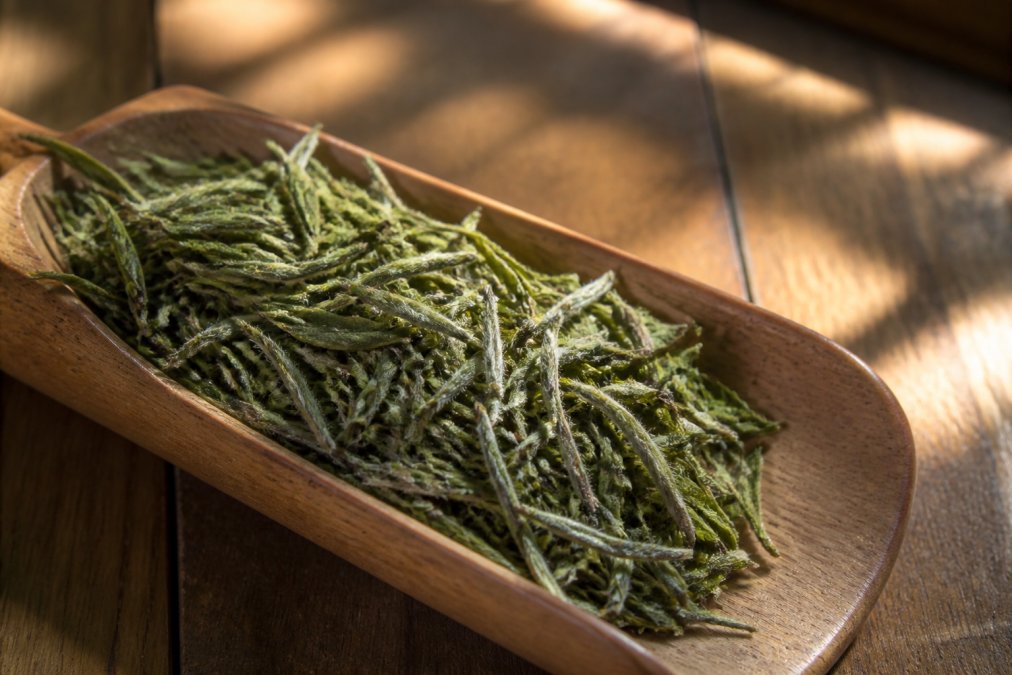
The color matters too. Fresh green tea holds a bright, vibrant green hue. Dull, brownish, or yellowing leaves indicate age, poor processing, or excessive oxidation. A common mistake is assuming darker means stronger. In green tea, darkness usually means the leaf is past its prime. Leaf size also plays a role: larger, whole leaves release flavor gradually and tolerate multiple steepings, while broken leaves over-extract quickly and turn bitter.
2. Aroma and Fragrance Profile
Dry leaves should smell clean, vegetal, and inviting. High quality green tea offers a fragrance that is grassy, herbaceous, or even slightly nutty, depending on the variety. Steamed Japanese teas like sencha deliver a fresh, oceanic, almost saline note, while pan-fried Chinese teas present a more toasted, chestnut-like aroma.
The scent should never be musty, stale, or overwhelmingly perfumed. A strong floral or fruity smell in the dry leaf often masks low-grade leaf material. After steeping, the wet leaves should release a sweet, green aroma. If the fragrance turns sour or flat, the tea is either old or was fired improperly. The Tea Association of the USA quality resources emphasize that aroma is the fastest indicator of freshness and proper oxidation control.
3. Infusion Color and Clarity
A pale, bright liquor is a hallmark of high quality green tea. The infusion should be clear, not cloudy, with a color ranging from light gold to a vivid yellow-green. Cloudiness often signals over-steeping, poor filtration, or low-grade powdered leaf material.
The color deepens with subsequent steepings, but the first infusion should remain delicate. A dark, murky brew suggests the leaves were broken or the water was too hot. Clarity is your friend here: a translucent cup indicates careful processing and intact leaf structure. Watch the wet leaves after steeping as well. They should unfurl fully, showing their original shape, which confirms whole-leaf integrity.
4. Flavor: Bitterness vs. Sweetness
The defining test of high quality green tea is the balance between sweetness and astringency. Quality green tea delivers a clean, sweet, and savory profile with notes of umami, often described as a broth-like mouthfeel. Bitterness should be minimal and fleeting, not harsh or lingering.
Astringency, that drying sensation on the tongue, appears when tannins over-extract. High-quality leaves contain more amino acids, which soften this effect and create a smooth, almost buttery texture. The aftertaste should be pleasant and sweet, not metallic or sharply bitter. If your cup tastes aggressively bitter, the problem is often the water temperature or steeping time, not the leaf itself. The University of California Agriculture and Natural Resources tea research confirms that amino acid content, which drives sweetness and umami, peaks in early spring harvests.
The Best Green Tea Brewing Temperature
The best green tea brewing temperature sits between 160°F and 175°F, well below boiling. Boiling water scalds the delicate leaves, releasing excess tannins and producing immediate bitterness. Use about 1 teaspoon of loose leaf per 8 ounces of water and steep for 1 to 3 minutes.
| Tea Type | Water Temp | Steep Time | Flavor Profile |
|---|---|---|---|
| Sencha | 160°F | 1-2 min | Grassy, sweet, umami |
| Dragon Well | 175°F | 2-3 min | Toasted, nutty, mellow |
| Matcha Powder | 160°F | Whisk | Creamy, vegetal, bold |
Water quality matters more than most drinkers realize. Hard water with high mineral content mutes the delicate flavors and can turn the liquor cloudy. Filtered water lets the tea's natural sweetness shine through.
How to Store Loose Leaf Tea for Maximum Freshness
The enemies of green tea are light, heat, oxygen, and moisture, but the degree of threat each poses is not equal. Oxygen is the most destructive. Once a leaf is exposed to air, its catechins and amino acids begin oxidizing, which dulls the flavor and strips away the health benefits. This is why the packaging technology used by the producer matters as much as your home storage habits.
Commercial producers of high-quality green tea use two primary methods to protect the leaf before it reaches you: nitrogen flushing and vacuum sealing. Nitrogen flushing replaces the oxygen inside the package with inert nitrogen gas before sealing. This creates a near-oxygen-free environment that halts oxidative degradation. Vacuum sealing physically removes the air, collapsing the package around the leaves. Both methods are effective, but nitrogen flushing is preferred for whole-leaf teas because it prevents the leaves from being crushed by the pressure of a vacuum seal. When you buy tea, look for packaging that feels firm and puffed, which indicates nitrogen flushing, or tightly compressed, which indicates vacuum sealing. A package that feels loose or crinkles easily has likely been exposed to air and is already degrading.
Light is the second most destructive factor. Ultraviolet and visible light accelerate the breakdown of chlorophyll and other sensitive compounds. This is why high-quality tea is sold in opaque, foil-lined bags or dark, airtight tins. Clear glass jars, while attractive, are the worst possible storage vessel for green tea. If you transfer your tea to a jar for display, keep it in a dark cabinet and finish it within two weeks. The Tea Association of the USA quality resources emphasize that aroma is the fastest indicator of freshness and proper oxidation control, but the packaging is what preserves that aroma in the first place.
At home, your goal is to replicate the producer's protective environment. Transfer the tea to an airtight, opaque container immediately after opening the original packaging. Squeeze out as much air as possible before sealing. Do not use the refrigerator. The humidity inside a fridge introduces moisture, which causes the leaves to clump and accelerates the breakdown of flavor compounds. A cool, dark cabinet is sufficient for short-term storage, but for long-term storage, consider a vacuum-sealed container designed for coffee or tea. These containers allow you to remove air after each use, maintaining a low-oxygen environment.
Whole-leaf green tea, when stored in an airtight, opaque container away from heat and light, retains its character for up to a year, but it is best consumed within six months of harvest. Matcha, because it is ground into a powder with a vastly increased surface area, is far more fragile and should be finished within a few weeks of opening. If your tea loses its aroma or tastes flat, it has absorbed too much oxygen. The fix is not to brew it longer or hotter; it is to buy smaller quantities more frequently and store them properly.
Is Matcha Tea Good for Weight Loss?
Matcha tea is good for weight loss only as part of an overall healthy routine. The powdered form of green tea contains concentrated catechins and a modest amount of caffeine, which can slightly support metabolism. However, no tea burns fat on its own. The real benefit comes from replacing sugary drinks with a zero-calorie, satisfying beverage that supports focus.
Matcha delivers a steadier energy lift than coffee because the amino acid L-theanine moderates caffeine absorption. This makes it a strong choice for the mid-morning slump. If you are exploring matcha, start with a ceremonial-grade powder like the one Mocha Me Crazy offers at $23.99. For a roasted twist, our Hojicha at $23.99 delivers a toasty, low-caffeine option perfect for evenings.

Frequently Asked Questions
What do high quality green tea leaves look like?
High quality green tea features whole, intact leaves that are uniform in size and shape. Look for a vibrant green color with a natural sheen, indicating freshness. Avoid teas with broken leaves, stems, or dust at the bottom of the bag, as these are signs of lower grade processing. Premium leaves should feel slightly supple, not brittle or overly dry.
How does the color of the brewed liquor indicate quality?
The brewed liquor of high quality green tea should be clear and bright, ranging from pale yellow-green to a light, vibrant green. Cloudiness or a dull, murky brown color can indicate poor processing, staleness, or oxidation. The clarity of the infusion is a direct result of the leaf grade and how carefully the tea was handled.
What is the best green tea brewing temperature?
The best green tea brewing temperature is between 160°F and 180°F, not boiling. Water that is too hot will scorch the delicate leaves, releasing bitter tannins and destroying the subtle flavors. Using water at the correct temperature preserves the sweet, vegetal notes and amino acids that make high quality green tea enjoyable.
How should I store loose leaf tea to keep it fresh?
To store loose leaf tea properly, keep it in an airtight container away from light, heat, and moisture. A cool, dark cabinet is ideal. Avoid storing tea near strong odors, as leaves absorb them easily. When stored correctly, high quality green tea can maintain its flavor for up to six months, though it is best consumed sooner.
Finding high quality green tea comes down to trusting your senses: whole leaves, fresh aroma, clear liquor, and a sweet, balanced flavor. Most mass-market options fail these tests, which is why sourcing matters. Mocha Me Crazy roasts every order on demand and carefully sources our artisan teas, including our hand-picked Jasmine and vibrant Moroccan Mint blends, to deliver maximum freshness to your door. Explore our tea collection and taste the difference that proper handling makes.