

Why Artisan Tea Tastes Better: The Real Difference
Table of Contents
- What Actually Sets Artisan Tea Apart from Mass-Produced Blends
- Terroir and Harvesting Technique: The Flavor Blueprint
- Processing Method and Oxidation: Where the Craft Happens
- Freshness and Leaf Quality: Why the Source Matters
- Water Chemistry and Brewing Vessel: The Final 10%
- How to Brew Artisan Tea for Maximum Flavor
- Tea Storage Best Practices: Keeping That Fresh Taste
- Is Matcha Tea Good for Weight Loss? A Flavor and Ritual Perspective
- Frequently Asked Questions
Last Updated: September 4, 2026
What Actually Sets Artisan Tea Apart from Mass-Produced Blends
Artisan tea is a category of tea produced in small batches with hands-on oversight at every stage, from leaf selection to final processing, rather than blended for consistency at industrial scale. The difference is not subtle marketing; it is a measurable gap in leaf integrity, harvest precision, and the care taken during oxidation and drying. When you buy artisan tea, you are paying for a product made by people who taste their own work, not machinery calibrated for shelf stability.
The mass-market approach prioritizes uniformity: the same flavor profile year after year, achieved by blending leaves from dozens of farms. Artisan producers do the opposite, letting each harvest express its own character. This guide from Mocha Me Crazy breaks down the specific choices that make artisan tea taste better, and what those choices mean for your cup.
Most tea drinkers assume the flavor difference comes down to freshness alone. Freshness matters, but it is only one layer. The real distinction sits in terroir, processing decisions, and the ritual of brewing itself.
Terroir and Harvesting Technique: The Flavor Blueprint
Terroir is the combination of altitude, mist, soil composition, and climate that shapes a tea plant's chemistry. High mountain tea grows slowly in cooler temperatures, which concentrates amino acids and sugars while reducing bitter tannins (peer-reviewed research). That slower growth produces the umami and sweetness you notice in premium green teas.
Harvesting technique matters just as much. Many artisan teas are plucked by hand, selecting only the top two leaves and a bud (fao.org). Machines strip whatever they catch, including older leaves that add astringency and a coarse mouthfeel. The first flush of spring, picked at the peak of the season, carries the highest concentration of aromatic compounds.
The sensory experience starts here. A tea grown at altitude and picked by hand has a natural sweetness and complexity that no amount of blending can replicate.
Processing Method and Oxidation: Where the Craft Happens
Oxidation is the chemical process that turns fresh leaves into white, green, oolong, or black tea. Artisan producers control this stage with constant attention, stopping oxidation at precise moments to shape the flavor profile. A few minutes of difference changes the tea from vegetal and floral notes to earthy and malty.
Mass production relies on heat, timing, and volume to hit a target spec. Artisan processing is more like cooking: the producer smells the leaves, touches them, and adjusts on the fly. This is why two batches of the same oolong from the same farm can taste noticeably different. Vintage variation is a feature, not a flaw.
Stone-milled matcha, like the Hojicha roasted green tea powder, is ground slowly to avoid heat damage that would dull the flavor. High-speed industrial milling generates friction heat that degrades delicate compounds (peer-reviewed research). The result is a flatter, less aromatic powder.

Freshness and Leaf Quality: Why the Source Matters
Leaf quality determines the ceiling of your cup. Whole, intact leaves release flavor gradually over multiple steepings. Broken leaves and fannings, the dust used in most tea bags, infuse quickly into a harsh, one-dimensional brew. The difference is immediately obvious in the aftertaste: whole leaves leave a clean, lingering sweetness, while broken leaf tea finishes with astringency.
Freshness compounds the effect. Tea is at its peak within months of harvest, and the aromatic oils that carry floral notes and umami degrade with exposure to air and light. The Moroccan Mint blend at Mocha Me Crazy pairs fresh green tea with mint for a vibrant profile that depends entirely on recent harvest and careful handling.
Water Chemistry and Brewing Vessel: The Final 10%
Artisan tea leaves are only half the equation. The other half is the water you use to extract them and the vessel you brew them in. Most tap water is too aggressive for delicate leaves, but the fix isn't just 'use filtered water.' It's about understanding the mineral profile that best suits the tea you're drinking.
The Specifics of Water Chemistry
Water is a solvent, and its dissolved minerals act as extracting agents. The two most influential are calcium and magnesium. While both are essential for flavor extraction, their balance dictates the final cup's character. High levels of calcium and magnesium bind with catechins (the astringent compounds in tea), making the brew taste dull and bitter. Low mineral content, as in distilled water, results in a flat, weak extraction because there's nothing to help pull the flavor compounds out of the leaf.
The key metric here is Total Dissolved Solids (TDS), measured in parts per million (ppm). While a general range of 50-150 ppm is often cited for good brewing, a more precise approach yields better results. For delicate, high-mountain green teas and white teas, aim for the lower end of that spectrum, around 50-80 ppm. The softer water allows the subtle amino acids (the source of umami) to shine without being overpowered by mineral-driven astringency. For oxidized teas like oolongs and blacks, a slightly higher TDS of 100-150 ppm is preferable. The additional minerals help extract the deeper, darker flavor compounds and provide a rounder mouthfeel.
If your tap water is hard (above 150 ppm), a simple carbon filter will not solve the problem. You need a filter that removes dissolved solids, such as a reverse osmosis system. However, brewing with pure RO water (0 ppm) is also a mistake. The solution is to blend a small amount of your tap water back into the RO water to achieve a target TDS of around 100 ppm. This gives you a consistent, controllable baseline that lets the tea's true character express itself.
The Seasoning of Teaware
Your brewing vessel changes the result too, and not just through heat retention. The material's porosity is an active participant in the flavor profile. Unglazed clay pots, such as Yixing pots from China, are the most dramatic example. They are porous and absorb the oils and aromatic compounds from the tea over time. This is the 'seasoning' process. A pot used exclusively for a specific type of oolong will eventually brew a cup that has a depth and roundness that a new, neutral pot cannot replicate. The pot itself becomes a flavor contributor.
This is not a myth. The absorbed oils physically fill the microscopic pores of the clay, creating a seasoned surface that interacts with the hot water and new leaves. This is why a dedicated pot for each tea category is a common practice among enthusiasts. A pot seasoned with a roasted oolong will impart unwanted smoky notes to a delicate green tea.
Glass and porcelain are vitrified, meaning they are non-porous. They are neutral canvases, preserving the tea's exact character without adding or subtracting anything. They are the best choice for tasting teas side-by-side or for brewing delicate teas where you want to perceive every nuance of the leaf itself. Cast iron pots, while excellent for heat retention, are often lined with enamel on the inside. If unlined, the iron can leach metallic notes that clash with lighter teas.
The ritual itself matters. A consistent brewing vessel and water source give you a baseline, so you can taste the differences between harvests rather than fighting inconsistent variables.
How to Brew Artisan Tea for Maximum Flavor
Brewing artisan tea is a simple process of controlling water temperature and steep time to match the leaf. But the 'maximum flavor' you're chasing isn't just a chemical extraction; it's a sensory experience shaped by your own attention and intention. The ritual isn't a garnish, it's an ingredient.
The Neurobiology of a Better Cup
There's a scientific reason why tea you brew with focus and care tastes better than the same leaf brewed haphazardly. It's called the 'effort-reward' bias. When you invest effort in a task, your brain anticipates a greater reward. This expectation primes your sensory system, making the actual flavor perception more intense and more positive. This is the same psychological mechanism that makes food you cook yourself taste better than the identical dish prepared by someone else.
When you're brewing artisan tea, you're not just following steps; you're engaging in a focused act. You're watching the leaves unfurl, smelling the aroma as it develops, and timing the steep with intention. This mindfulness shifts your brain from a distracted state to a receptive one, increasing your sensitivity to the subtle flavor compounds in the leaf. The ritual is a form of sensory priming that makes the tea's complexity more accessible to your palate.
A Sensory-Guided Brewing Method
Instead of a rigid recipe, use this sensory-guided method to find the sweet spot for any tea.
- Start with the right water. Use the TDS-balanced water described in the previous section. This is your foundation.
- Heat to the correct temperature range: green tea at 160-175°F, oolong at 185-200°F, and black tea at 200-212°F. If you don't have a variable-temperature kettle, bring water to a boil and let it rest. A rolling boil is around 212°F. Letting it sit for 2-3 minutes drops it to roughly 185-190°F, and 5-6 minutes brings it down to the 170°F range.
- Measure your leaf. Use roughly one teaspoon of loose leaf per eight ounces of water. For tightly rolled oolongs, the leaves will expand significantly; you may need less. For fluffy white teas, you may need more.
- Steep and observe. Start with a short steep: 1-2 minutes for green and white, 2-3 minutes for oolong and black. As it steeps, watch the color and smell the aroma. The goal is to stop the steep when the aroma is at its peak, not when the color looks 'strong enough.'
- Taste with intention. Take your first sip and focus on the texture (mouthfeel) and the finish (aftertaste). Is it smooth and lingering, or is it sharp and short? If it's astringent, your water is too hot or your steep is too long. If it's flat, your water may be too cool or your leaf-to-water ratio is off.
The Jasmine blend is a good example of a tea built for multiple steepings. Each infusion draws out different layers, and the leaves reward patience. With each steep, you're not just getting a new cup; you're building a deeper understanding of the leaf's character, a process that makes the final cup taste even better because you've earned it.

Tea Storage Best Practices: Keeping That Fresh Taste
Tea storage best practices come down to blocking the three enemies: air, light, and moisture. Store loose leaf in an airtight container in a cool, dark cabinet, away from the stove and direct sunlight. Do not refrigerate tea. The moisture from the fridge causes condensation that degrades the leaves.
Keep different teas in separate containers. Tea absorbs odors easily, and a strong oolong will overpower a delicate white tea stored nearby. Buy in quantities you will finish within a few months rather than stocking up for a year.
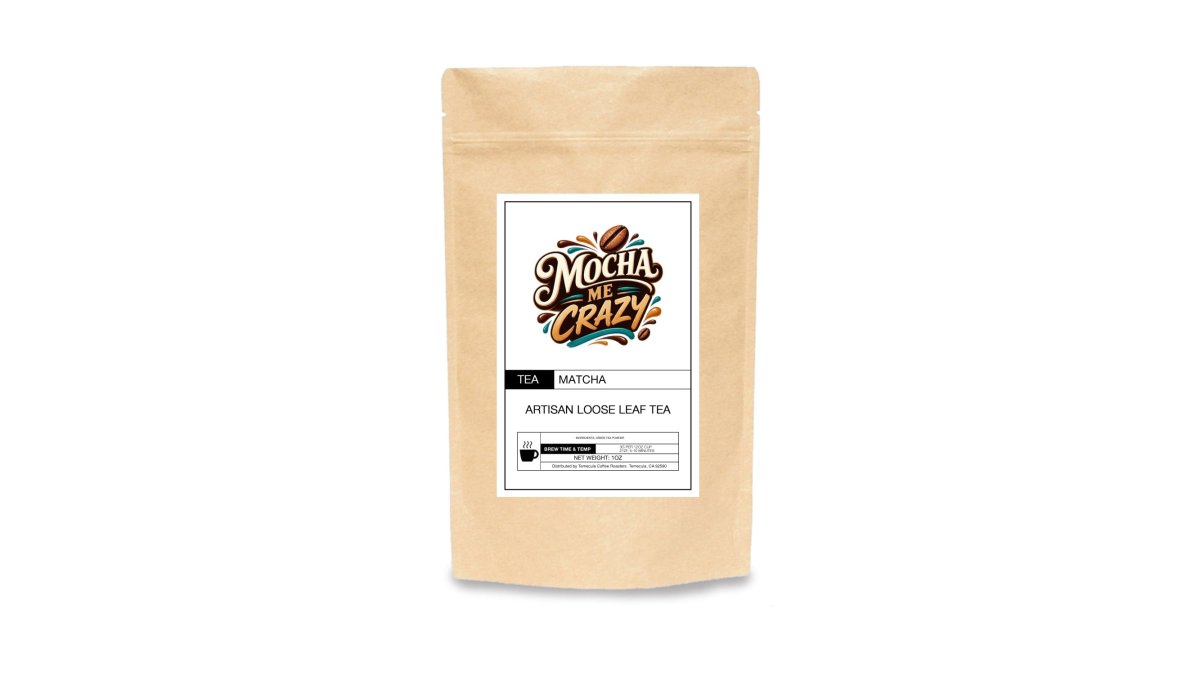
Proper storage preserves the flavor profile you paid for. The Matcha powder is especially sensitive, since the fine particles have more surface area exposed to oxidation. Keep it sealed and use it within a few weeks of opening for the brightest flavor.

Is Matcha Tea Good for Weight Loss? A Flavor and Ritual Perspective
Matcha tea is a stone-milled green tea powder that contains the whole leaf, which gives it a concentrated flavor profile and a higher concentration of certain compounds than steeped green tea. The question of whether matcha supports weight management comes up often, and the honest answer is that matcha is not a magic solution.
What matcha does offer is a ritual that replaces less healthy habits. Swapping a sugary latte for a ceremonial-grade matcha reduces calorie intake while delivering sustained energy without the crash. The catechins in green tea have been studied for their metabolic effects, but the practical benefit comes from the substitution.
The sensory experience of matcha, the umami, the creamy mouthfeel, the lingering sweetness, makes that substitution sustainable. A well-prepared bowl of matcha feels like a treat, not a sacrifice. That is the real reason the ritual works.
Frequently Asked Questions
What does 'artisan tea' mean?
Artisan tea refers to tea produced in small batches by skilled growers and makers who control each stage, from leaf selection to processing. Unlike mass-produced tea, which often uses machine harvesting and blended leaves for consistency, artisan tea focuses on showcasing the unique character of a specific harvest. This hands-on approach preserves delicate flavors and aromas that get lost in large-scale manufacturing.
Why does high-altitude tea taste different?
Tea grown at high altitudes develops flavor more slowly because of cooler temperatures and thinner air. This slower growth allows the leaves to build up more complex compounds, including amino acids like L-theanine, which contribute to a sweeter, more umami-rich broth. The mountain mist also provides natural shade, reducing bitterness and producing a smoother cup compared to lowland tea.
Does the freshness of tea leaves impact the final flavor?
Yes, significantly. Fresh tea retains volatile aromatic oils that create floral, grassy, and sweet notes. Over time, these compounds fade and the leaves absorb moisture and odors from the air, leading to a flat, dull taste. Storing your artisan tea in an airtight container away from light and heat preserves its character. For the best experience, buy smaller quantities and finish them within a few months.
How is matcha different from regular artisan tea in flavor?
Matcha is a powdered green tea, so you consume the entire leaf rather than steeping it. This creates a full-bodied, creamy mouthfeel with a distinct balance of sweet umami and subtle vegetal notes. Unlike loose-leaf teas, which you can often steep multiple times, matcha is a single-infusion experience. The flavor and texture depend heavily on the quality of the leaves and how finely they are stone-milled.
Choosing artisan tea is a commitment to a more demanding standard of production, and the flavor difference is the proof. Mocha Me Crazy roasts and sources in small batches to deliver that standard to your door, with carefully selected leaves and on-demand preparation that preserves aroma and freshness. Explore the artisan tea collection and taste what careful sourcing actually does to your daily ritual. Get started with Mocha Me Crazy and make your next cup anything but boring.
This article was written using GrandRanker