

Honest Review of High Quality Artisan Matcha
Table of Contents
- What Makes Artisan Matcha Different
- How We Tested These Matcha Powders
- Ceremonial Grade vs Culinary Grade Matcha
- Flavor, Color, and Texture: What Real Quality Looks Like
- Pesticide Testing and Origin Transparency
- How to Store Matcha Powder for Freshness
- Is Matcha Tea Good for Weight Loss?
- Price, Value, and Our Verdict
- Frequently Asked Questions
Last Updated: September 23, 2026
What Makes Artisan Matcha Different
Artisan matcha is shade-grown tencha tea stone-ground into a fine powder in small batches, with careful attention to origin, harvest timing, and milling. It differs from commodity matcha in leaf quality, grind fineness, and how quickly it reaches you after milling.
How We Tested These Matcha Powders
We scored each powder one to five on five criteria, weighting freshness most heavily because it degrades fastest.
- Color: bright jade green versus dull olive or yellow-green
- Aroma: sweet, grassy notes versus hay or cardboard
- Texture: fine, silky powder versus gritty or clumpy
- Froth: stable foam from a bamboo chasen versus thin, collapsing bubbles
- Finish: lingering umami and a sweet finish versus flat astringency
| Criterion | What to Check | Why It Matters | Weight |
|---|---|---|---|
| Color | Bright jade green, not olive | Chlorophyll and freshness indicator | Medium |
| Aroma | Sweet, grassy notes | Detects oxidization early | High |
| Texture | Silky, no grit or clumps | Particle size and milling quality | Medium |
| Froth | Stable foam, fine bubbles | Freshness and grind fineness | High |
| Finish | Umami, sweet, low bitterness | L-theanine retained, good harvest | High |
Ceremonial Grade vs Culinary Grade Matcha
Ceremonial grade matcha is made from the youngest shaded leaves, whisked with hot water and drunk plain. Culinary grade matcha uses later-harvest leaves, tastes stronger and more astringent, and suits lattes, baking, and smoothies.
Flavor, Color, and Texture: What Real Quality Looks Like
Real quality shows up as balance, not intensity. A good artisan matcha tastes sweet and savory first, with bitterness arriving late and fading quickly, the most reliable signal of fresh, well-shaded leaf rather than commodity powder.
Reading Color and Aroma Like a Tester
Color is a freshness proxy, not a quality verdict. Bright jade green means chlorophyll is intact; olive, khaki, or yellow-green means oxidization has started. But a vivid powder stored in a clear jar for six months can look decent on day one and taste flat by week three, so score color and aroma separately.

Particle Size, Frothability, and Mouthfeel
Finer particle size produces better frothability and a smoother mouthfeel. Stone-ground matcha feels silkier than blade-milled powder because the particles are smaller and more uniform. Gritty texture usually means a coarser grind or moisture-induced clumping: rub a pinch between your fingers and quality powder disappears into the skin, while coarse powder leaves visible grit.
Why Your Matcha Clumps or Won't Froth
If your matcha will not froth, the cause is usually technique or tooling, not the powder. Work through this checklist before blaming the tin:
- Sift first. Matcha clumps from static and humidity. A fine-mesh sifter breaks up clumps before they hit the water.
- Water temperature. Aim for roughly 160-175°F. A rolling boil scalds the powder and flattens sweetness; below about 140°F leaves a chalky mouthfeel.
- Water quality. Very hard water reads as bitter and dulls the umami; very soft or distilled water tastes flat and thin. If your tap water is heavily mineralized, filtered or low-mineral bottled water usually improves the cup more than upgrading the powder.
- Whisk, don't stir. Use a fast W or zigzag wrist motion, not a circular stir. A bamboo chasen with 80-120 tines produces finer, more stable foam than a 60-tine whisk or a milk frother.
- Ratio. About 1 gram of powder to 2-3 ounces of water is a standard starting point for a thick usucha-style bowl. Too much powder in too little water produces a paste that never foams.
What Bitterness Actually Tells You
Bitterness is not automatically a defect. A short, clean astringency that fades within seconds is normal in ceremonial matcha. Bitterness that lingers, coats the throat, or tastes metallic points to later-harvest leaf, over-hot water, or oxidization. Change one variable at a time, water temperature first, then sift, then powder.
Texture as a Freshness Test
Mouthfeel changes before flavor does. Fresh powder feels silky and slightly cooling; older powder feels powdery, drying, or faintly gritty even when it looks fine. If texture shifts before color does, trust the texture, it is the earlier signal that the tin is on its way out.
Pesticide Testing and Origin Transparency
Pesticide testing transparency is where most matcha brands go quiet, and it should not be. Matcha is consumed whole, so anything on the leaf ends up in your cup.
Ask three questions before buying:
- Does the seller publish a harvest date, not just a best-by date?
- Can they name the region or farm?
- Do they provide third-party testing for pesticides and heavy metals?
How to Store Matcha Powder for Freshness
Storing matcha powder for freshness means blocking three things: light, air, and heat. Keep it in an airtight, opaque container in the refrigerator, and let it come to room temperature before opening so condensation does not form inside the tin. What matters most is what happens over the weeks after you open it.
The 30-Day Oxidization Timeline
Most reviews are first-impression reviews: someone opens a tin, whisks a bowl, and writes a verdict. That misses what matters for daily drinkers, because artisan matcha is perishable and its peak window is short. A common pattern across opened tins stored cool, dark, and airtight looks roughly like this:
- Days 1-7: Peak aroma and color. Foam is dense and stable, bitterness is short, and the sweet umami finish lingers.
- Days 8-14: Aroma softens. Color is still jade but less electric. Foam holds well but is marginally less stiff.
- Days 15-21: The sweet top note fades first. Bitterness becomes more forward. Color drifts toward a deeper, less bright green.
- Days 22-30: Aroma turns hay-like or flat. Color shifts toward olive. Foam collapses faster. The finish shortens noticeably.
- Past 30 days (opened): Flavor is dull and increasingly astringent. Still safe to drink but no longer worth ceremonial-grade pricing, move it to lattes, baking, or smoothies.
A Practical Storage Routine
- Transfer matcha to a small airtight tin, not the original bag
- Squeeze out excess air before sealing
- Store in the fridge door, away from strong-smelling foods
- Wait 10-15 minutes after removing from the fridge before opening
- Use within a few weeks of opening for best flavor
- Buy the smallest tin you will finish in that window rather than stocking up
Tracking Oxidization Without Special Equipment
You do not need a lab to track freshness. Check the powder every couple of weeks against three signals:
- Color: jade shifting toward olive or yellow-green.
- Aroma: sweet and grassy shifting toward hay, cardboard, or nothing.
- Froth: stable fine foam shifting toward thin, fast-collapsing bubbles.
Freezer, Fridge, or Pantry?
The pantry is the worst option for anything kept more than a week or two, room-temperature swings accelerate oxidization. The fridge is the practical default for a tin you open daily. The freezer works only for unopened, vacuum-sealed or nitrogen-flushed packages stored for months; once thawed, do not refreeze, because moisture cycling ruins the powder faster than room temperature would.
Why Small Tins Beat Bulk Buys
Artisan matcha is priced for freshness, not shelf life. A 30-gram tin finished in three weeks will almost always taste better than a 100-gram tin stretched over three months, even if the larger tin costs less per gram. One bowl a day makes a 30-gram tin last about a month, right at the edge of the peak window.
Is Matcha Tea Good for Weight Loss?
Matcha tea may support weight management as part of a balanced diet, but it is not a weight loss product on its own. Its caffeine and catechins, including EGCG, are the compounds most often studied for effects on metabolism and fat oxidation.
Price, Value, and Our Verdict
Price per serving is the only fair way to compare matcha, because tin sizes vary so much. Divide the tin price by the servings you actually get, roughly one gram per bowl, and compare that number across options.
Frequently Asked Questions
What is the highest quality matcha brand?
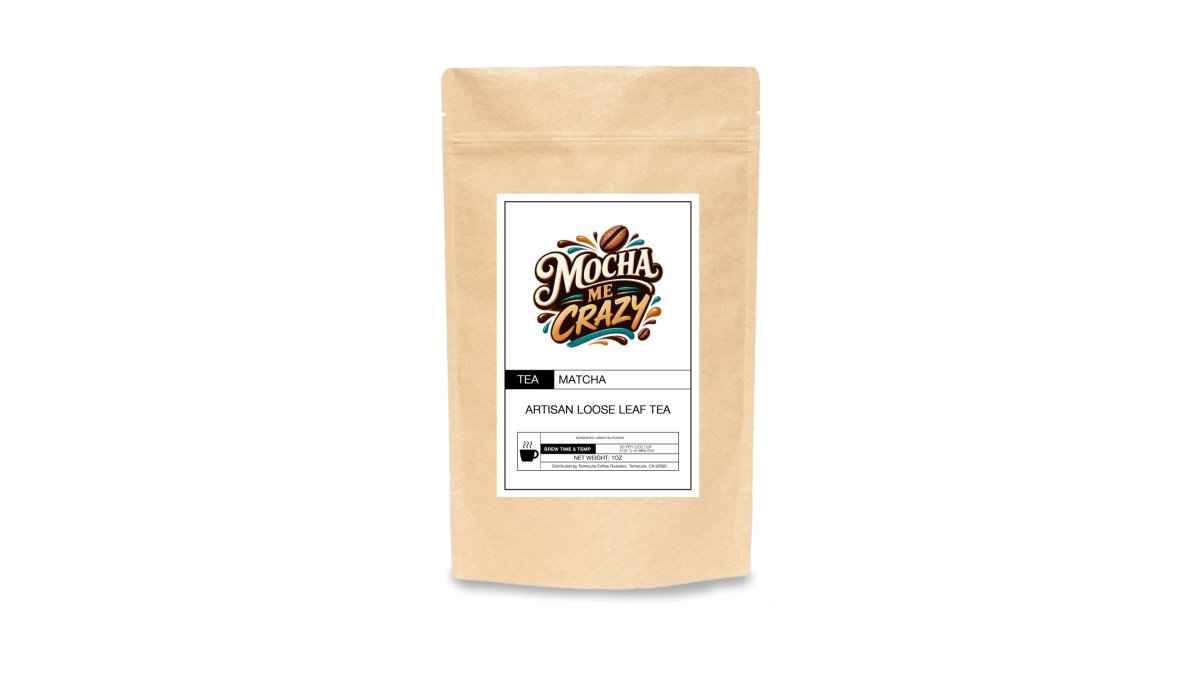
The highest quality matcha brands prioritize origin transparency, harvest date, and stone-ground tencha from shaded plants. Look for brands that list the specific region and harvest date on the packaging. Mocha Me Crazy offers artisan matcha at $23.99 crafted for traditional preparation and mindful daily rituals. Quality shows in the vibrancy, smoothness, and sweet finish, not just the brand name.
How to tell if matcha is high quality?
High quality matcha has a vivid green color from high chlorophyll content, a fine particle size that feels silky, and a sweet umami finish without bitterness or astringency. It froths easily when whisked and smells fresh and grassy. Low-quality matcha looks dull yellow-green, clumps, and tastes harsh. Check for airtight packaging and a recent harvest date to confirm freshness.
Is expensive matcha actually better?
Price often reflects labor and sourcing, but it is not a guarantee. Stone-ground ceremonial matcha costs more because production is slow and yields are small. However, some expensive brands overcharge without transparency. Compare price per serving and look for harvest dates, pesticide testing, and origin details. A $23.99 artisan matcha with clear sourcing can outperform a $40 tin with no information.
What are the signs of low-quality matcha?
Signs include a dull yellow-green or brownish color, a gritty or chalky texture, and a bitter or astringent taste with no sweetness. Low-quality matcha often clumps when whisked and lacks frothability. Packaging that is not airtight or lacks a harvest date suggests oxidization has already set in. If the matcha smells dusty rather than fresh and grassy, it is past its prime.
The hardest part of buying artisan matcha is not finding a good powder. It is keeping it good after the tin is open. Mocha Me Crazy sources carefully and ships fast so the matcha that arrives is the matcha you paid for, and our roasted-to-order approach means nothing sits in a warehouse losing flavor. Start with our matcha at $23.99, store it cold and dark, and taste the difference freshness makes in your daily ritual.