

Craft Coffee vs Fresh Roasted Beans
Table of Contents
- What Sets Fresh Roasted Beans Apart
- How to Tell if Coffee Beans Are Fresh
- The Science Behind Bean Freshness
- Coffee Roast Date vs Expiration Date
- Best Time to Drink Coffee After Roasting
- Craft Coffee vs Fresh Roasted: Key Differences
- Why On-Demand Roasting Matters
- Frequently Asked Questions
Last Updated: September 3, 2026
What Sets Fresh Roasted Beans Apart
Fresh roasted beans deliver a sensory experience that mass-produced coffee cannot match. When you choose fresh roasted beans from Mocha Me Crazy, you're getting coffee roasted to order, which means the aromatic compounds and essential oils that define flavor are at their peak when the beans arrive at your door.
Coffee begins to oxidize the moment it leaves the roaster. Volatile compounds, the delicate flavors and aromas that make coffee worth drinking, start breaking down immediately. A bag sitting in a warehouse for weeks or months loses those compounds steadily. Fresh roasted beans still contain the full spectrum of flavor notes: floral, citrus brightness, and chocolatey undertones.
How to Tell if Coffee Beans Are Fresh
Freshness comes down to three observable factors: the roast date, bean appearance, and brewing behavior.
Check the roast date first. A roast date printed on the bag tells you exactly when the beans left the roaster. If you see only an expiration date, that's a red flag, the producer is hiding how old the beans are. Fresh roasted beans should have a roast date within the last 2-4 weeks.
Look at the bean surface. Freshly roasted beans have a subtle sheen and visible oils, especially in medium and dark roasts. Color should be consistent, ranging from light brown (light roast) through deep chocolate brown (dark roast). Dull, faded, or uneven beans have oxidized.
Listen when you open the bag. Fresh beans release CO2 as they cool after roasting. A fresh bag will have a slight hiss or pop when opened, degassing in action. Older beans won't respond this way because the CO2 has already escaped.
Test the bloom when brewing. When you pour hot water over fresh beans during the first few seconds of brewing, they should bloom visibly as CO2 escapes. This bloom signals the beans still contain significant CO2 from roasting. Stale beans produce weak or no bloom.
| Freshness Indicator | Fresh Beans (0-4 weeks) | Aging Beans (4-8 weeks) | Stale Beans (8+ weeks) |
|---|---|---|---|
| Roast Date | Within 2-4 weeks | 4-8 weeks old | More than 8 weeks old |
| Bean Appearance | Glossy, consistent color | Slightly dull, some oil loss | Papery, faded, flat |
| Opening the Bag | Audible hiss or pop | Minimal gas release | No audible gas |
| Bloom During Brewing | Vigorous, visible puffing | Moderate bloom | Little to no bloom |
The Science Behind Bean Freshness
Coffee freshness is governed by chemistry. Understanding what happens inside the bean after roasting explains why time matters so much.
Degassing and CO2 Retention
During roasting, heat produces carbon dioxide as a byproduct (peer-reviewed research). This CO2 gets trapped inside the bean's cellular structure. Over the first 24-48 hours, beans release significant CO2. This degassing matters for brewing because CO2 affects extraction. When you pour hot water over fresh beans, the remaining CO2 helps push water through grounds evenly, creating better contact between water and coffee solids. Stale beans, which have lost most CO2, don't extract as efficiently.
Beans roasted less than 12 hours ago contain so much CO2 they can choke an espresso machine or create uneven extraction in a pour-over. Beans given 2-3 days to rest have released enough CO2 for optimal extraction while retaining enough for good bloom and body.
Aromatic Compounds and Flavor Stability
Coffee flavors come from volatile organic compounds, molecules that evaporate easily (peer-reviewed research). These are created during roasting through the Maillard reaction and caramelization. A freshly roasted bean is packed with hundreds of aromatic compounds: floral notes, citrus brightness, fruity undertones, and chocolatey richness.
Once roasted and cooling, these compounds break down and escape. Oxidation accelerates this process. A fresh light roast might taste bright and citrusy. After two weeks, that citrus fades and the cup becomes flatter. After a month, you're left with generic coffee taste without nuance. This degradation is irreversible.
Coffee Roast Date vs Expiration Date
A roast date tells you exactly when beans were roasted. If a bag says "Roasted: September 1, 2026," you know precisely how old the beans are. Roast dates are transparent and useful.
An expiration date is vague and often misleading. It typically suggests a date 6-12 months in the future, implying beans will be good until then. This is false. Coffee doesn't "expire" in the traditional sense, it becomes stale. An expiration date could mean beans were roasted two months ago and still have four months before expiration, with no way for you to know.
Always look for the roast date. If a bag shows only an expiration date, the producer is hiding something. Fresh roasted beans from Mocha Me Crazy come with a clear roast date because we roast to order, beans are roasted specifically for your order, not pulled from existing inventory.
Best Time to Drink Coffee After Roasting
The optimal timing for brewing fresh roasted beans isn't "as soon as possible." It's more nuanced.
The Resting Period and the Sweet Spot Timeline
Within the first 8-12 hours after roasting, beans are still releasing significant CO2. If you try to brew them during this window, especially in an espresso machine, extraction becomes chaotic. The gas escaping from grounds interferes with water flow. Pour-overs will bubble and overflow. Espresso shots will gush and finish too quickly.
The sweet spot is typically 3-7 days after roasting. By day 3, most initial CO2 has escaped, but beans still retain enough gas for proper bloom and body. Aromatic compounds are largely intact. After day 7, beans are still drinkable but you notice decline. By day 30, you're drinking technically fresh coffee that has lost much of what made it special.
For espresso, the timeline is tighter. Many espresso enthusiasts prefer beans 5-10 days old, old enough to be stable, fresh enough to have body and sweetness.
Brew Method Sensitivity to Bean Age
Not all brewing methods are equally sensitive to bean age.
Espresso is most sensitive. Espresso machines force water through grounds under pressure in 25-30 seconds. Every variable, including exact CO2 content, affects the shot. The optimal window is roughly 5-14 days after roasting.
Pour-overs and drip coffee are moderately sensitive. These methods extract over 3-5 minutes, giving more time for water to interact with grounds. Fresh roasted beans (3-7 days old) produce a brighter, more aromatic cup. These methods still work reasonably well with beans up to 30 days old, though the difference is noticeable.
French press and immersion brewing are least sensitive. These methods steep grounds in hot water for 4+ minutes with full contact. Extended steeping time compensates for some aromatic loss from age. A French press can produce a decent cup from beans 30-45 days old.
This is why buying fresh roasted beans matters more if you're brewing espresso.
Craft Coffee vs Fresh Roasted: Key Differences
Craft coffee is about sourcing and roasting quality. Fresh roasted is about timing. The best coffee combines both.
Small-Batch Roasting vs Mass Production
Craft coffee typically comes from small-batch roasters who source single-origin beans and roast in small quantities. They highlight the unique characteristics of each origin, terroir, processing method, altitude.
Mass production roasting is different. Large companies roast hundreds or thousands of pounds at a time, often blending beans from multiple origins to create consistent products. The problem isn't mass production itself, it's what happens after roasting. A craft roaster might produce exceptional beans, but if they sit in a warehouse for two months, much craftsmanship is wasted.
On-demand roasting changes this equation. When you order from Mocha Me Crazy, beans are roasted specifically for your order. You're getting careful sourcing and roasting combined with freshness, beans roasted days ago, not months ago.
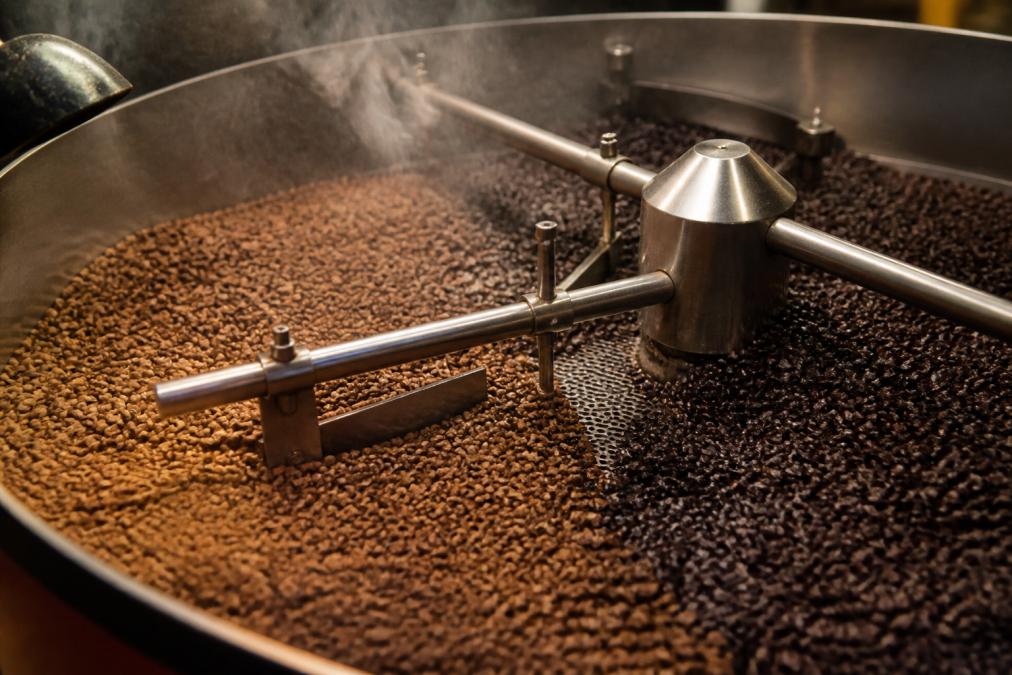
Flavor Profile and Sensory Experience
A freshly roasted single-origin bean like Ethiopia Natural from Mocha Me Crazy will express specific flavor notes: milk chocolate, fruity undertones, caramel sweetness. These result from altitude, soil type, processing method, and roast profile. When beans are fresh, these notes are clear and distinct.

As beans age, distinct notes blur together. Fruity character fades first because those volatile compounds are most delicate. By 60 days old, you're left with generic coffee taste. Fresh beans produce a cup with fuller body, more sweetness, and a cleaner finish. Stale beans produce a thinner cup with less sweetness and often a slightly flat aftertaste.
Storage and Shelf Life Considerations
Proper storage slows oxidation and helps preserve aromatic compounds longer. An airtight container in a cool, dark place keeps beans fresher longer than an open bag. The one-way valve on coffee bags allows CO2 to escape without letting oxygen in, helping preserve beans during the first few weeks after roasting.
Buy fresh roasted beans in quantities you'll use within 2-4 weeks. Store them in an airtight container away from heat and light. Freshness at purchase matters far more than storage technique after purchase.
Why On-Demand Roasting Matters
On-demand roasting solves a fundamental problem in the coffee supply chain: the delay between roasting and consumption.
Traditional supply chains involve multiple steps: beans are roasted, packaged, shipped to a distributor, stored in a warehouse, shipped to a retailer, and finally purchased by you. By the time beans reach your kitchen, they've often been roasted 4-8 weeks ago. They're technically drinkable but no longer fresh in any meaningful sense.
On-demand roasting eliminates this delay. When you order from Mocha Me Crazy, beans are roasted specifically for your order. They're roasted, packaged, and shipped within days. You receive beans that are 3-7 days old, right in the sweet spot for optimal flavor.
This is the only way to guarantee freshness at scale. You can't buy genuinely fresh beans from mass-market retailers because the supply chain doesn't support it.
A cup brewed from beans 7 days old tastes noticeably brighter, more aromatic, and more complex than a cup from beans 45 days old. The acidity is cleaner. The body is fuller. The flavor notes are distinct instead of blurred. This isn't subtle, it's the difference between a memorable cup and a forgettable one.
For coffee enthusiasts who view their morning ritual as something worth investing in, on-demand roasting ensures you get sourcing, roasting skill, and freshness. When you buy premium single-origin beans, you're paying for all three.
The difference between craft coffee and fresh roasted beans comes down to timing. Craft roasters do exceptional work sourcing and roasting beans, but that work is only fully expressed if beans reach you while still fresh. On-demand roasting from Mocha Me Crazy bridges this gap, you get carefully sourced single-origin beans like the Guatemala or Ethiopia Natural roasted to order and shipped within days. The result is a cup that tastes like what the roaster intended: bright, aromatic, complex, and genuinely fresh. Try one of our single-origin offerings and experience the difference freshness makes.

Frequently Asked Questions
Are fresh roasted coffee beans really better than craft coffee from specialty retailers?
Fresh roasted beans deliver noticeably brighter flavor notes and stronger aromatic compounds because volatile compounds and essential oils remain intact immediately after roasting. Craft coffee from specialty retailers may be well-sourced, but if it sat in warehouses or on shelves for weeks, oxidation has already dulled its sensory experience. The difference becomes obvious during the first 3-4 weeks after roasting, when extraction and bloom are most responsive.
How can you tell if coffee beans are fresh when you receive them?
Check the roast date on the bag, it should be within 1-7 days of purchase for optimal freshness. Fresh beans feel slightly oily or waxy to the touch and release CO2 when you open the package. Look for visible sheen on the surface, which indicates recent roasting. Smell them immediately; fresh beans have vibrant, complex aromas. If they smell flat or papery, oxidation has already begun, meaning they lost aromatic compounds during storage.
What's the difference between a roast date and an expiration date?
A roast date tells you exactly when the beans were roasted, while an expiration date is a manufacturer's estimate of when they'll become undrinkable. Roast date is far more useful because coffee peaks in flavor 3-14 days after roasting, depending on brew method. After 30 days, most beans become noticeably stale due to oxidation and CO2 loss. An expiration date might say 6-12 months, but that's when they're technically safe, not when they taste best.
When is the best time to drink coffee after roasting?
Most beans hit their flavor sweet spot between 5-14 days after roasting, though this varies by brew method. Espresso extraction prefers beans 5-9 days post-roast because they're still degassing and have optimal crema potential. Pour-over and French press methods work well from day 7-21 because they're less sensitive to CO2 levels. Avoid brewing within 24-48 hours of roasting when beans are still aggressively releasing carbon dioxide, which can interfere with extraction and create a flat-tasting cup.
How does fresh roasted coffee compare to what I'd buy at a grocery store?
Grocery store coffee typically sits in warehouses and on shelves for 3-6 months before you buy it, meaning most aromatic compounds and volatile flavor notes have oxidized away. Fresh roasted beans roasted within days of arrival preserve their full flavor profile, acidity, and body. You'll notice the difference immediately in your first cup: fresher beans taste brighter, more complex, and less flat or bitter. The cost difference reflects the difference in sensory experience and the quality of extraction you'll achieve.
This article was written using GrandRanker